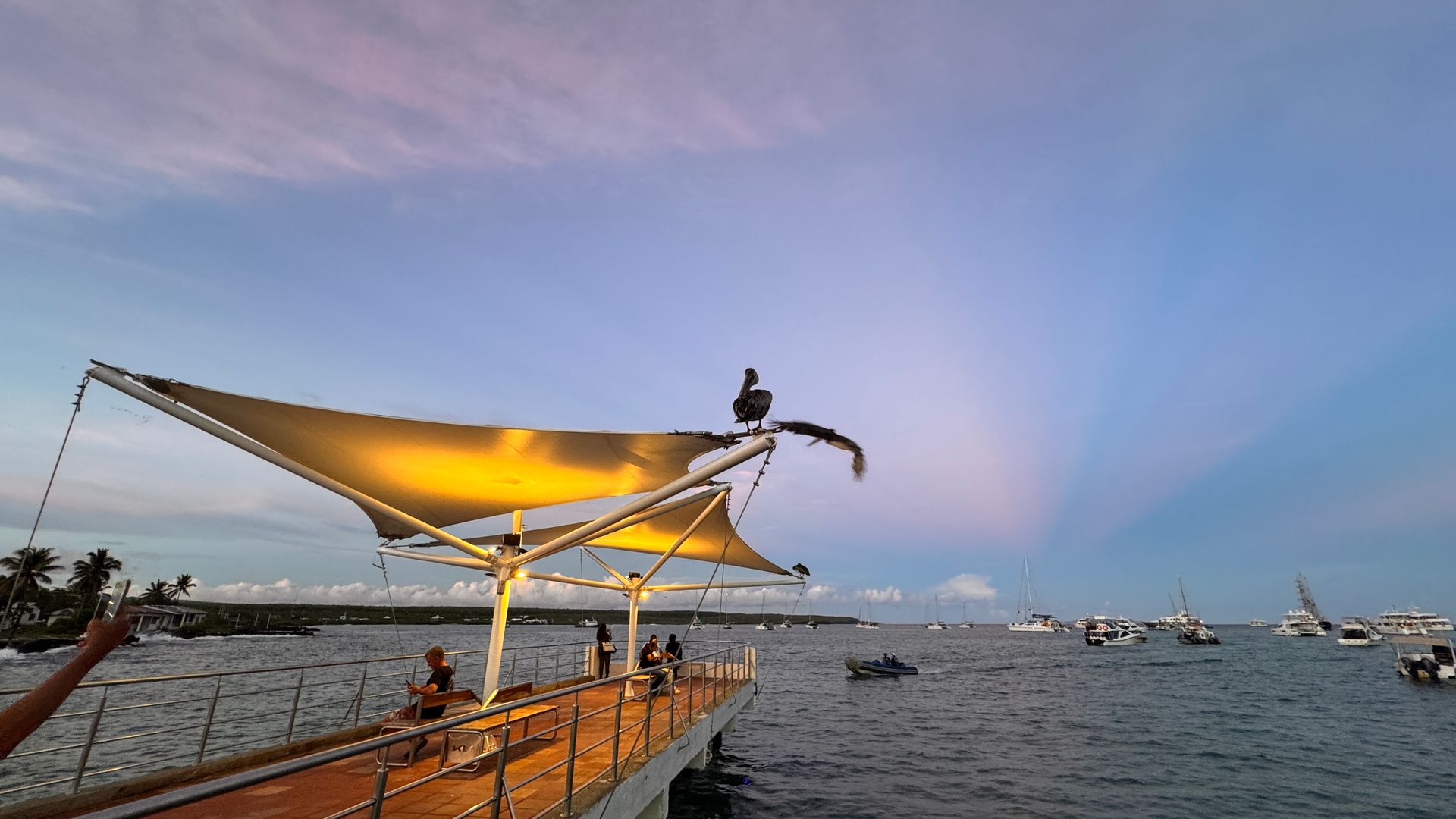
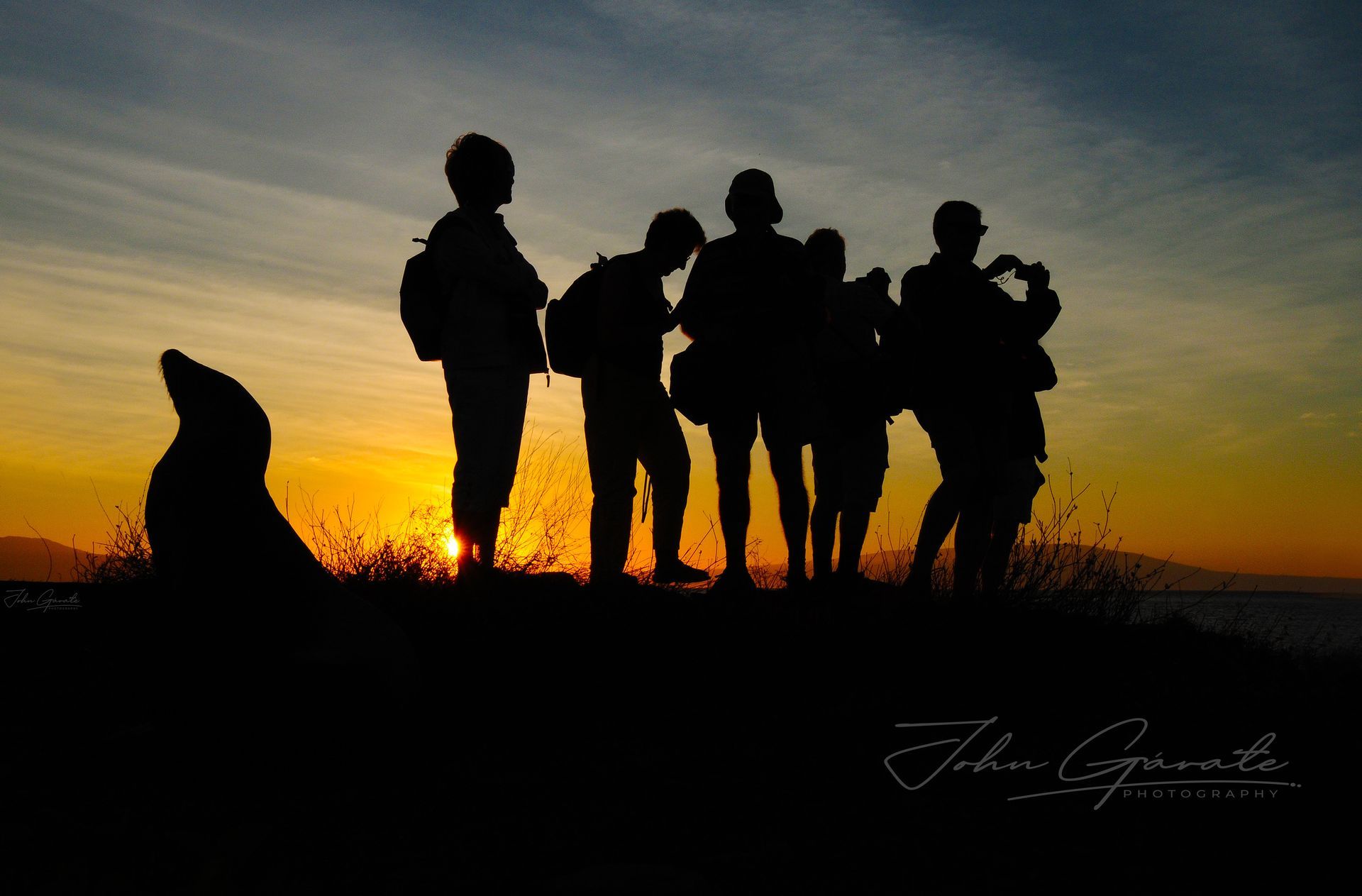
Puerto Ayora Ocean View Hotel Suites That Feel Like Home
What Makes Ocean-View Suites in Puerto Ayora Worth Choosing
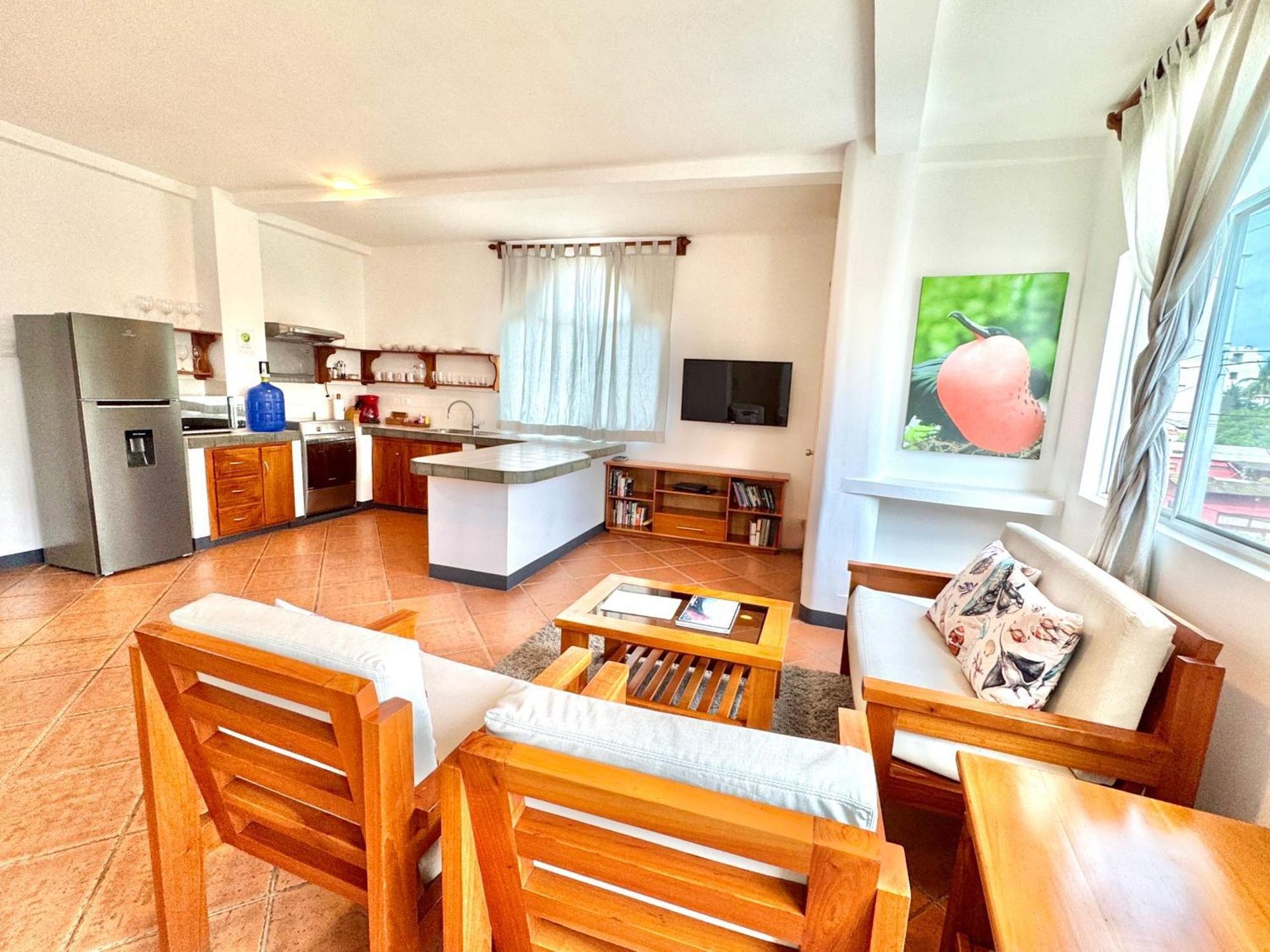
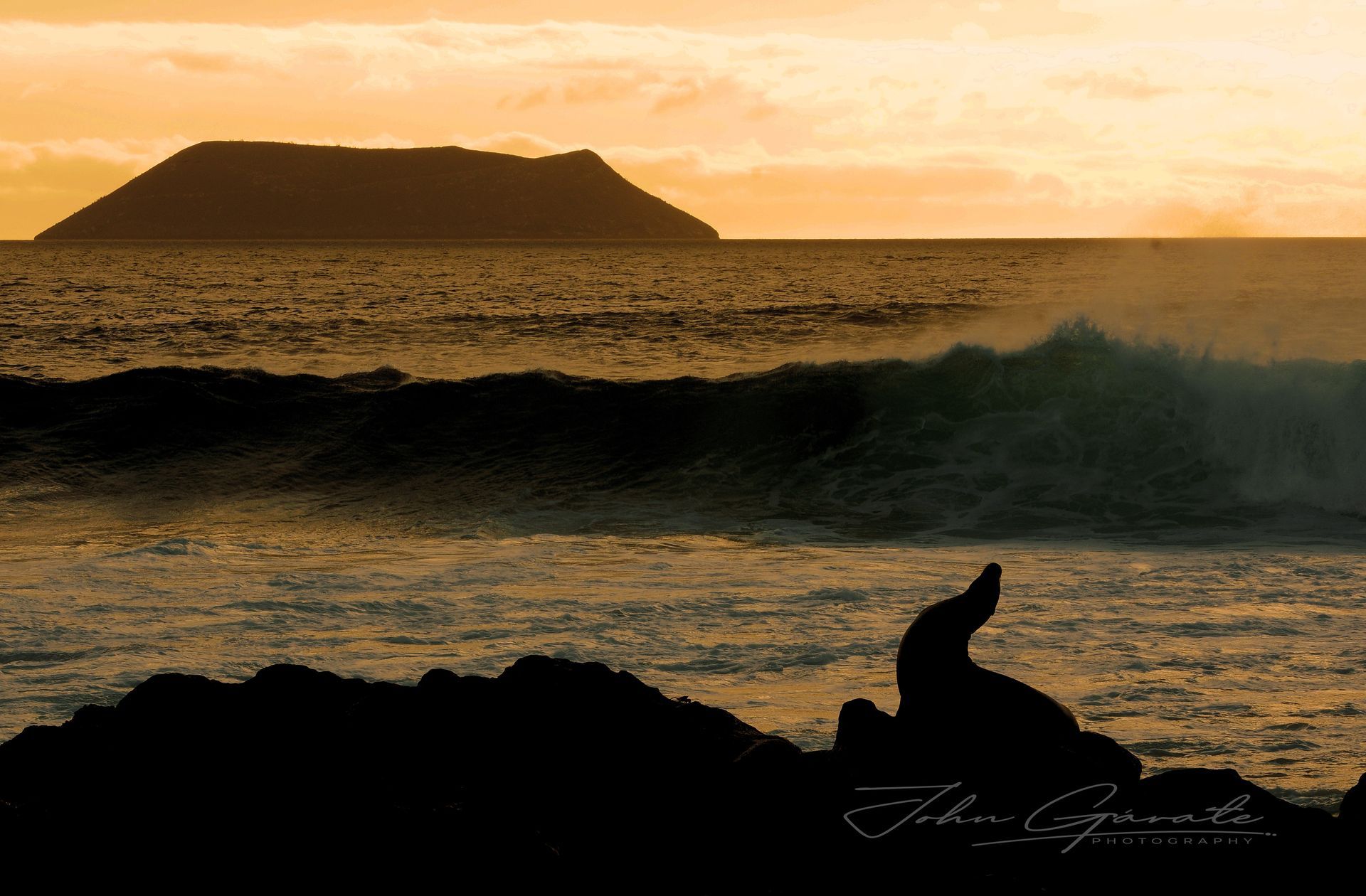
A Galapagos day can begin before breakfast, with sea lions calling from the waterfront and a boat departure that will not wait for late sleepers. Puerto Ayora ocean view suites give travelers something especially valuable after those full days: a calm place to come back to, with a balcony view, room to spread out, and the practical comforts that make an island stay feel less like a series of hotel nights and more like a place to belong.
For couples, families, and groups choosing a land-based Galapagos trip, the right suite is not only about what you see from the window. It is about how easily the space supports the rhythm of your trip. Can you make coffee before an early excursion? Can the children rest while another adult walks into town for groceries? Is there a comfortable spot to look out toward the water and decide what tomorrow should hold? Those details often shape the trip as much as the view itself.
What Makes Ocean-View Suites in Puerto Ayora Worth Choosing
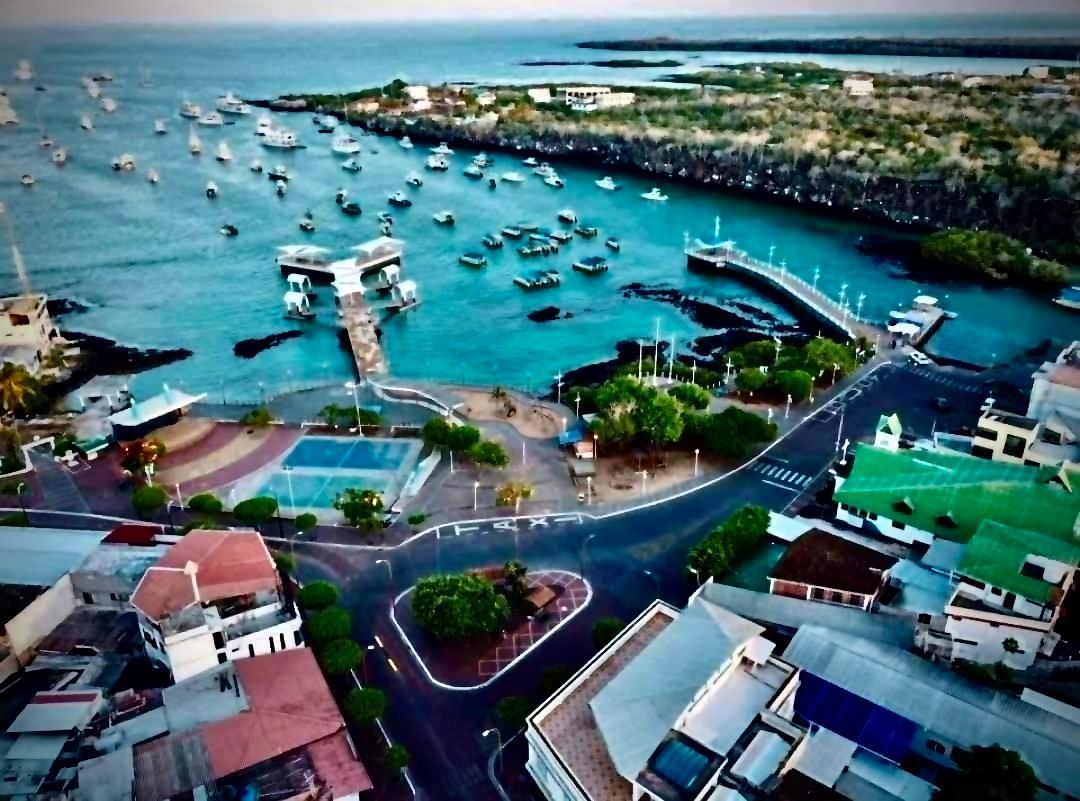
Puerto Ayora is the lively heart of Santa Cruz Island, where travelers connect with day tours, ferries, restaurants, beaches, and the Charles Darwin Research Station. Staying here puts much of the island's day-to-day energy close at hand. An ocean view adds a welcome counterpoint to that activity: a quiet visual reminder that you are in the Galapagos, not simply passing through a busy port town.
A balcony can be particularly meaningful on a land-based itinerary. Cruise travelers experience the islands from the deck of a vessel, but independent travelers have a different kind of freedom. You may spend the morning snorkeling at Las Grietas, return for lunch, take a break in air-conditioned comfort, then sit outside as the light changes over the water. There is no fixed ship schedule telling you when your downtime must end.
That said, an ocean view should not be the only deciding factor. If you are traveling with young children, grandparents, or friends, an extra bedroom, a full kitchen, or a more private layout may matter even more. The best choice depends on the way your group travels. A view is memorable, but a well-designed suite makes the entire stay easier.
Puerto Ayora Ocean View Suites for Real Travel Days
The Galapagos rewards curiosity, but it also asks a lot of travelers. There are transfers to arrange, ferry departure times to confirm, wet swimsuits to rinse, and early mornings when a simple breakfast in your own kitchen feels like a gift. Apartment-style accommodations bring welcome ease to those practical moments.
A one-bedroom ocean-view balcony suite can suit a couple who wants more breathing room than a standard hotel room offers. It creates separation between sleeping, relaxing, and preparing a light meal. For a longer stay, that distinction matters. You are not balancing takeout containers on a bedside table or trying to organize snorkeling gear around a single chair.
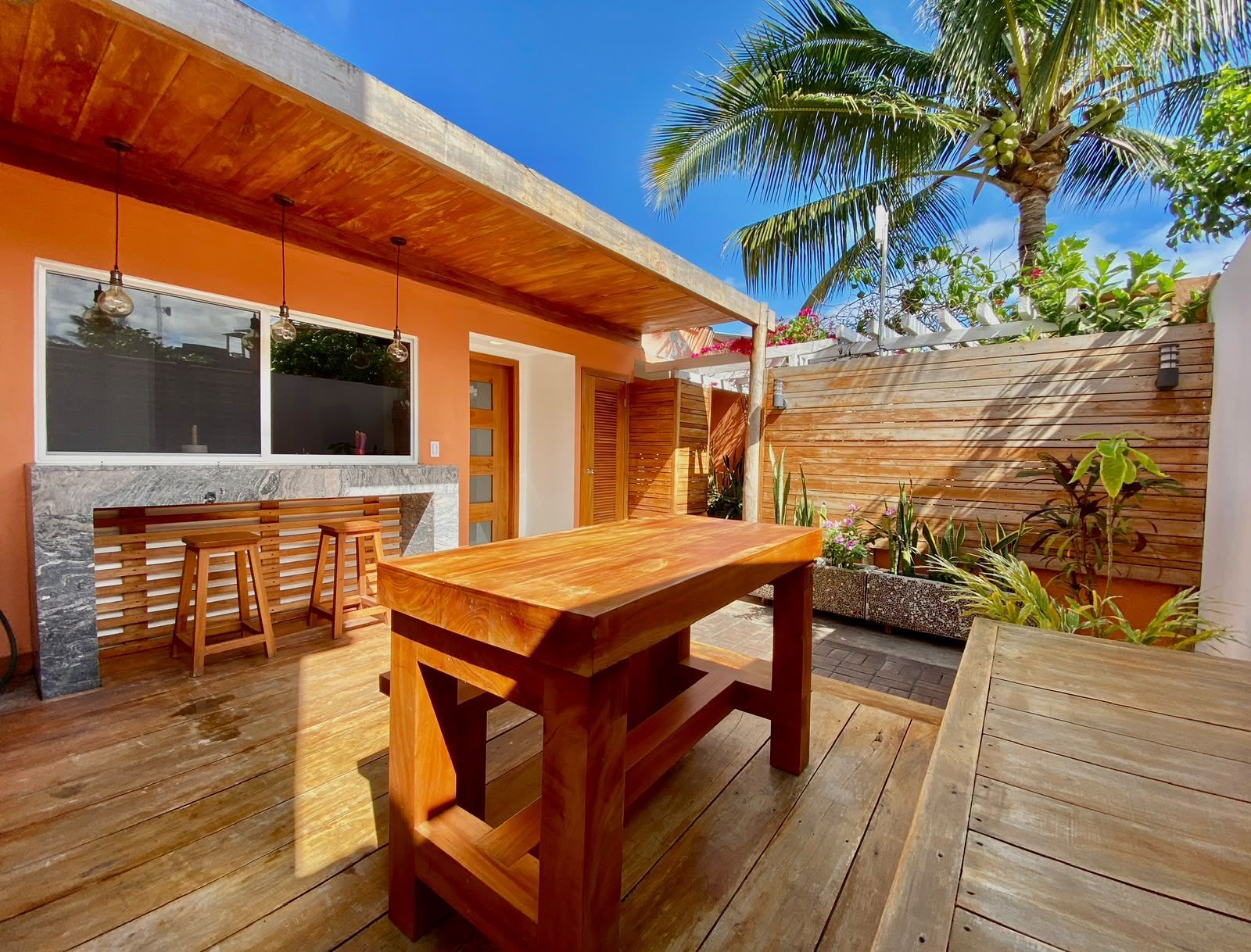
For families and friend groups, two-bedroom suites can be a better fit than booking separate rooms. Shared time remains easy, while everyone has a little privacy at the end of the day. Full kitchens allow for familiar breakfasts, snacks between activities, and flexible dinners when the youngest traveler is too tired for a restaurant. Freshwater dispensers and household supplies can also reduce the small frictions that add up during island travel. Torre Mar Galapagos Boutique Suites is a perfect choice for larger groups of family or friends traveling to the Galapagos Islands. We host groups that reserve the complete property as the Villa and Courtyard Duplex.
At Torre Mar Galapagos Boutique Suites, the goal is not to recreate a large resort. It is to offer a comfortable, family-run base where guests can settle in, receive thoughtful local guidance, and enjoy the independence that comes with a true suite. Come as guests, leave as friends is more than a pleasant phrase when your hosts are helping coordinate an airport transfer, locate a favorite local meal, or make sense of the ferry schedule.
A Balcony Is Part of the Itinerary
The balcony often becomes the quietest part of the day. Before heading out, it is a place for coffee and sunscreen. In the afternoon, it can be where you sort photos, read, or simply let the sounds of town fade into the background. In the evening, it offers a gentle transition between the excitement of an excursion and the comfort of dinner at home.
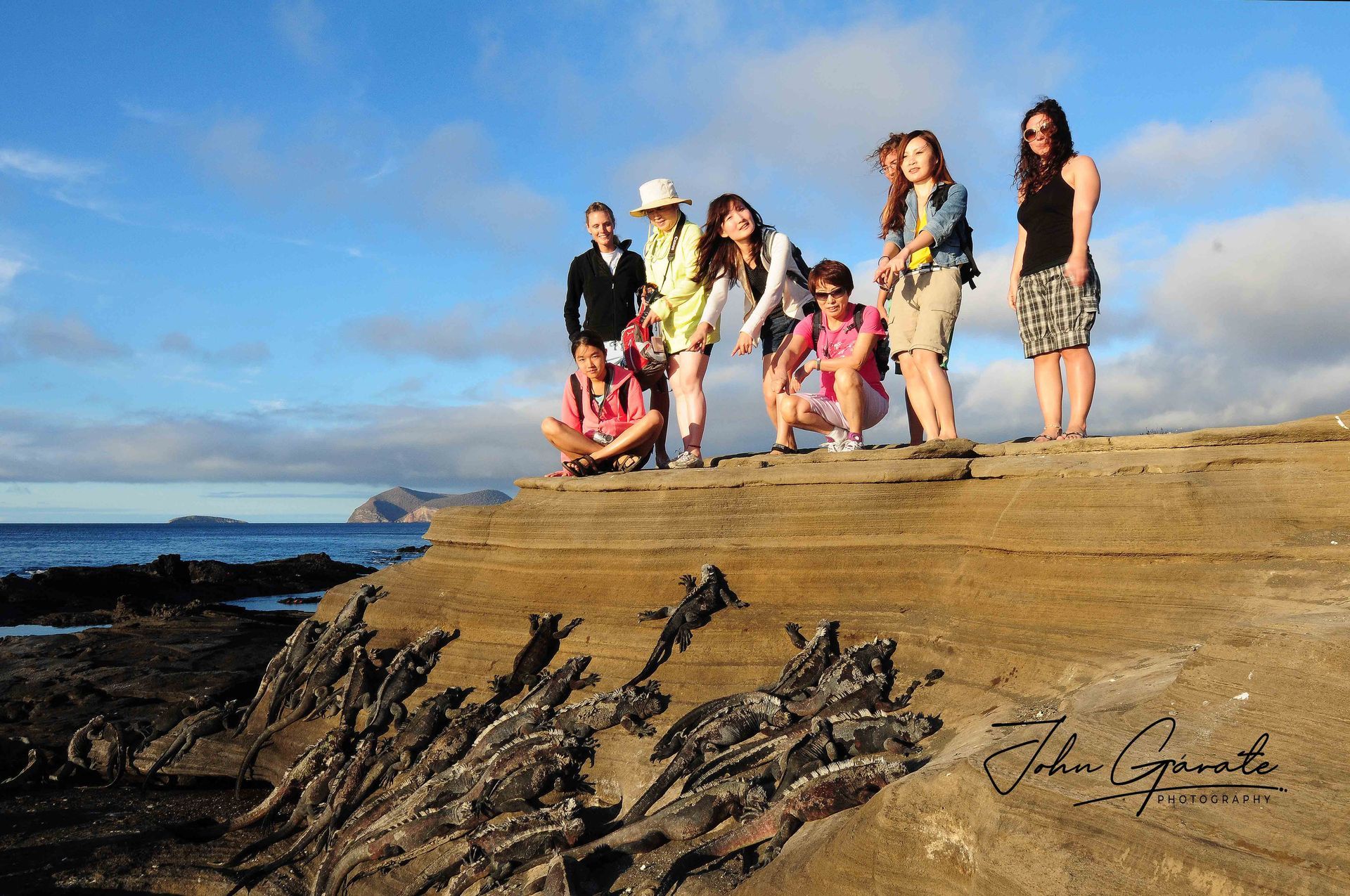
This kind of pause is easy to underestimate when planning a Galapagos trip. Travelers naturally focus on giant tortoises, marine iguanas, blue-footed boobies, and sea turtles. Yet a trip packed too tightly can make even extraordinary experiences feel rushed. A suite with a view gives you an invitation to slow down without missing the point of the islands.
How to Choose the Right Suite Layout
Start with the number of people traveling, then consider how each person uses a room. A couple may want a balcony suite for its setting and sense of privacy. A family of four may be happier in a two-bedroom suite where children can sleep without turning the living area into a bedroom each night. Multigenerational groups often benefit from larger suite configurations or a villa, where shared meals and separate sleeping spaces can coexist comfortably.
Next, think honestly about your itinerary. If you expect to leave before sunrise and return only to sleep, a smaller room may be enough. But if you are staying several nights on Santa Cruz, planning a rest day, or traveling with people who recharge at different speeds, more space becomes a practical advantage. A kitchen, a dining table, and room for luggage can make a stay feel noticeably more relaxed.
It is also wise to ask what "ocean view" means for the specific suite you are considering. Views can vary by floor, balcony position, weather, and surrounding town activity. A host who knows the property can explain the layout clearly and help balance your wish for a water view with needs such as bedroom count, accessibility, or a quieter location within the building.
The Local Help That Changes a Galapagos Stay
A beautiful suite does not eliminate the logistics of island travel. Santa Cruz is well connected, but visitors still need to coordinate airport arrivals, ferries to other islands, taxis, day tours, and meals around excursion times. First-time visitors can find those details unexpectedly complicated, particularly when traveling with children or arriving after a long international journey.
This is where an attentive local host makes a meaningful difference. Help with ferry tickets, airport-transfer planning, pre-arrival grocery shopping, and activity suggestions can save time and prevent unnecessary guesswork. It also lets you make choices based on your own travel style rather than following a generic itinerary. Some guests want full days on the water. Others want a balance of wildlife outings, beach time, and unhurried walks through Puerto Ayora.
Personal recommendations matter because the Galapagos is not a destination best experienced through a checklist alone. A good host can point you toward the right outing for your energy level, the day’s conditions, and the ages of the people in your group. That kind of care turns a comfortable suite into a genuine home base.
Make Room for Both Adventure and Rest
Choosing an ocean-view suite is a choice to give your Galapagos trip some breathing room. You can still rise early for a boat tour, hike through highland landscapes, and spend the afternoon watching marine life beneath clear water. The difference is that you return to a place designed for real life: somewhere to make a meal, rinse off the salt, put children down for a nap, or sit quietly with the ocean in view.
When you plan your stay, leave a little space in the schedule for that balcony, that kitchen table, and the unplanned conversations that happen when no one has to rush off. The islands will provide the wonder. A welcoming suite gives you the time and comfort to truly take it in.
This is paragraph text. Click it or hit the Manage Text button to change the font, color, size, format, and more. To set up site-wide paragraph and title styles, go to Site Theme.