Galápagos Wildlife by Month: When to Visit
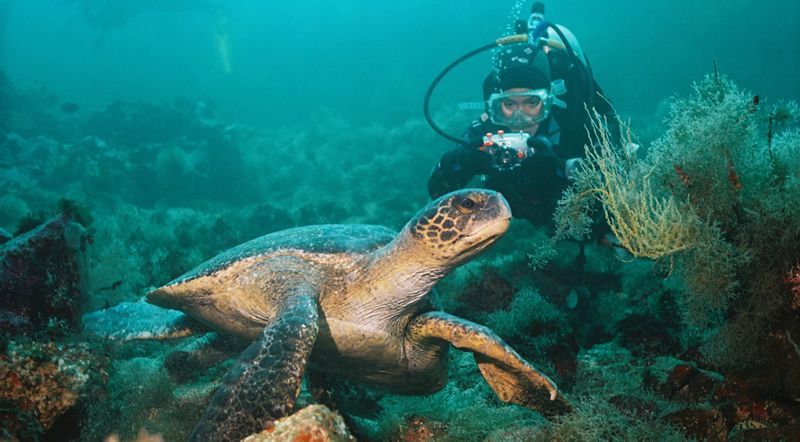
Plan your Galápagos vacation around wildlife seasons and discover what you may see throughout the year—from sea turtles and sea lions to giant tortoises, penguins, marine iguanas, and remarkable seabirds.
One of the most common questions travelers ask when planning a Galápagos vacation is: When is the best month to see wildlife?
The good news is that there is no single “best” month.
Galápagos wildlife can be seen throughout the year, but seasonal changes in weather, ocean conditions, food availability, breeding cycles, nesting, and migration can influence what you are most likely to experience.
December through May is generally the warmer, wetter season, with warmer water, calmer seas, and greener landscapes. June through November is generally cooler and drier, influenced by the Humboldt Current, bringing cooler water, nutrient-rich marine conditions, and excellent opportunities for seabirds and marine wildlife.
If wildlife is one of your main reasons for visiting, the best approach is not to search for one perfect month. Instead, choose the season that best matches the experiences you want.
For help putting the islands together, start with our Galápagos Island Hopping Guide for First-Time Visitors.
Galápagos Wildlife by Month at a Glance
Month - Wildlife and seasonal highlights
- January Sea turtle nesting, sea lion breeding season, green landscapes, warmer water
- February Sea turtle nesting, marine iguana nesting activity in some areas, warmer conditions
- March Sea turtle nesting, marine iguana nesting, active wildlife and lush landscapes
- April Sea turtle nesting, beginning of the waved albatross breeding season on Española
- May Sea turtle nesting continues, marine iguana nesting/eclosion activity, seasonal transition
- June Cooler season begins, nutrient-rich waters, seabirds, penguins, waved albatross
- July Excellent marine wildlife conditions, seabirds, penguins, albatross, cooler weather
- August Sea lion reproductive season begins, cool season wildlife activity
- September Strong marine productivity, seabirds and penguins, sea lion breeding activity
- October Peak sea lion reproductive activity, excellent marine wildlife opportunities
- November Sea lion breeding activity, seabirds and marine wildlife, transition toward warmer season
- December Warmer season begins, sea lion pups may be present, marine iguana nesting begins in some areas
These are seasonal patterns rather than guarantees. Conditions and wildlife activity can vary from island to island and from year to year.
January: Sea Turtle Nesting and Green Landscapes
January is an excellent month for travelers who enjoy both wildlife and warmer conditions.
The annual green sea turtle nesting season is underway. In Galápagos, important monitored nesting sites include Las Bachas on Santa Cruz and Quinta Playa on Isabela. The main nesting period generally runs from January through May.
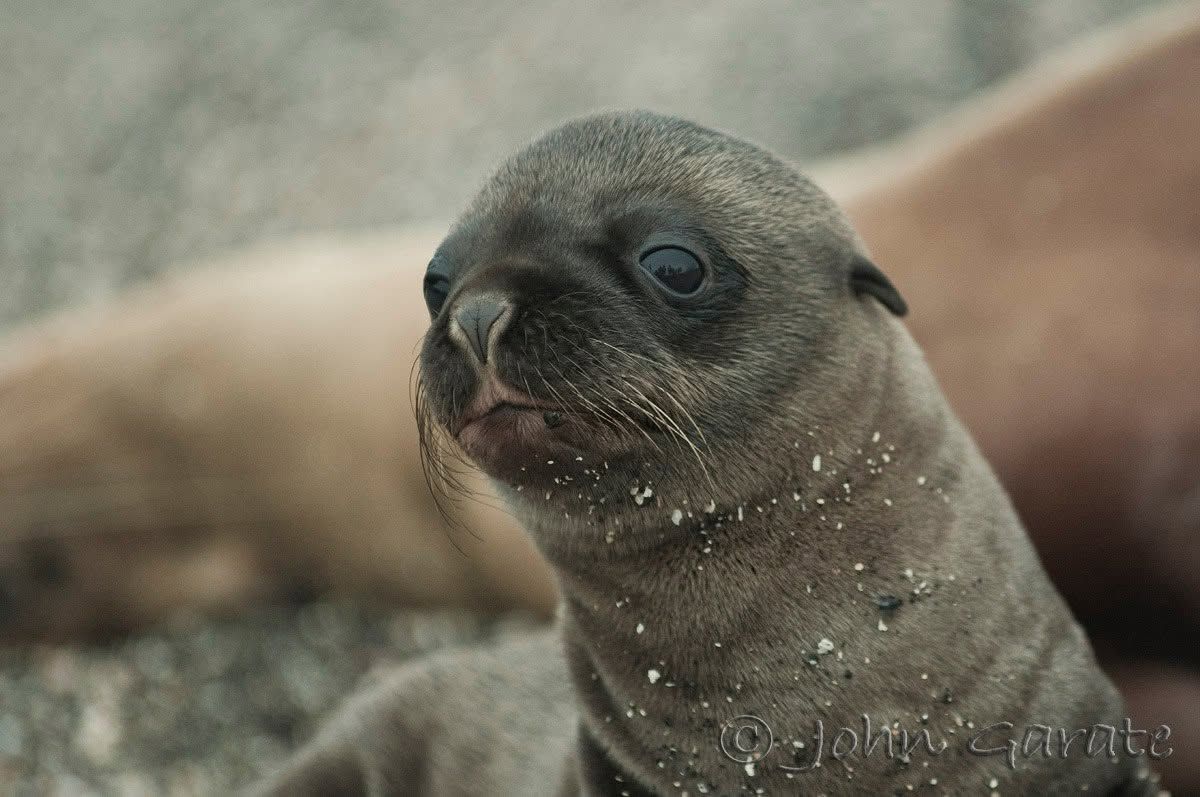
January is also within the sea lion reproductive season, which generally runs from August through January.
The islands are entering the warmer, wetter season, bringing greener vegetation and warmer ocean temperatures.
January wildlife highlights
- Green sea turtle nesting
- Sea lions and young pups in some areas
- Giant tortoises
- Marine iguanas
- Seabirds and shorebirds
- Warmer water for snorkeling
If you're planning your first visit around Santa Cruz, our Santa Cruz Island Guide provides a useful overview of the island's wildlife, beaches, highlands, and visitor experiences.
February: Nesting Season Continues
February continues the warmer season and is another strong month for observing active wildlife.
Green sea turtle nesting continues, while marine iguana nesting and incubation activity occurs in some parts of the archipelago. The exact timing varies by island and location.
The combination of warmer water and increasingly green landscapes makes February appealing to travelers who want to combine wildlife with swimming, snorkeling, and beach time.
February wildlife highlights
- Green sea turtle nesting
- Marine iguana nesting activity in some areas
- Giant tortoises
- Sea lions
- Marine birds
- Warmer ocean conditions
March: Active Wildlife and Nesting
March remains part of the warmer, wetter season.
Sea turtle nesting continues, and marine iguana nesting activity is underway in some locations. In addition to breeding and nesting behaviors, travelers can expect the year-round wildlife that makes the Galápagos special: sea lions, marine iguanas, giant tortoises, shorebirds, sea turtles, and numerous seabirds.
For travelers who want to combine wildlife with beach time, explore our guide to the best beaches in the Galápagos.
March wildlife highlights
- Sea turtle nesting
- Marine iguana nesting
- Giant tortoises
- Sea lions
- Marine birds
- Green coastal and highland vegetation
April: Waved Albatross Arrive on Española
April marks an especially interesting time for bird enthusiasts.
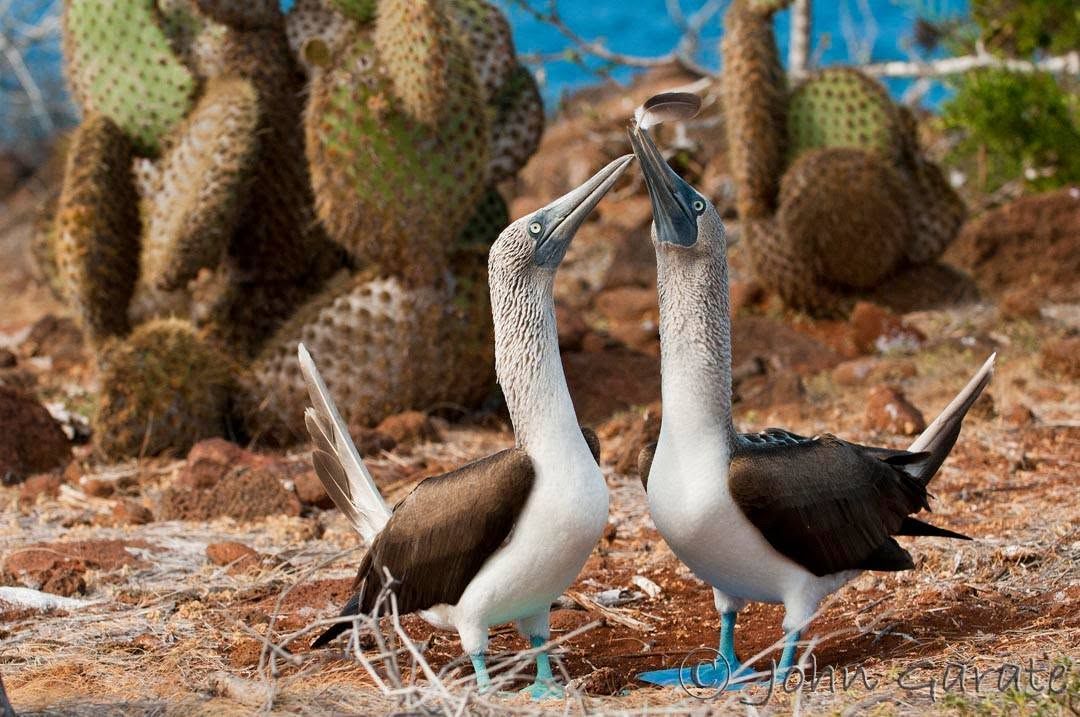
Waved albatross begin their breeding season on Española, where the overwhelming majority of the species' breeding population is found. Their elaborate courtship behavior is one of the most fascinating wildlife spectacles in the Galápagos.
April is also within the green sea turtle nesting season.
The warmer season continues, making April attractive for travelers who want a combination of terrestrial wildlife, marine activities, and relatively warm conditions.
April wildlife highlights
- Waved albatross breeding activity on Española
- Green sea turtle nesting
- Marine iguanas
- Giant tortoises
- Sea lions
- Seabirds
May: A Seasonal Transition
May is a transition month.
Green sea turtle nesting continues, while the islands gradually begin moving toward the cooler, drier season. Wildlife remains abundant, but ocean and weather conditions can begin to change.
This is a good month for travelers who want a balance between warmer-season conditions and the increasingly nutrient-rich marine environment associated with the cooler season.
May wildlife highlights
- Green sea turtle nesting
- Marine iguanas
- Giant tortoises
- Seabirds
- Sea lions
- Changing ocean conditions
June: The Cool Season Begins
June marks the beginning of the cooler, drier season.
The Humboldt Current brings cooler, nutrient-rich water to the Galápagos. These conditions support abundant marine life and attract seabirds and other wildlife.
Galápagos Conservancy notes that June through November is particularly interesting for travelers interested in marine wildlife, seabirds, penguins, and albatross.
The islands may also appear drier and more muted in color than during the warmer season.
June wildlife highlights
- Waved albatross on Española
- Penguins
- Seabirds
- Marine iguanas
- Sea lions
- Giant tortoises
- Nutrient-rich marine waters
If you're planning to visit several islands, our Galápagos Island Hopping Guide for First-Time Visitors can help you think through island combinations and travel time.
July: Excellent Marine Wildlife Conditions
July is firmly within the cooler season.
The nutrient-rich waters can support impressive marine activity, making this an appealing month for travelers particularly interested in snorkeling, diving, seabirds, and marine ecosystems.
Penguins are easier to encounter during the cooler season, particularly in areas where they are naturally concentrated.
July wildlife highlights
- Galápagos penguins
- Waved albatross
- Seabirds
- Marine iguanas
- Sea lions
- Sea turtles
- Excellent marine activity
August: Sea Lion Reproductive Season Begins
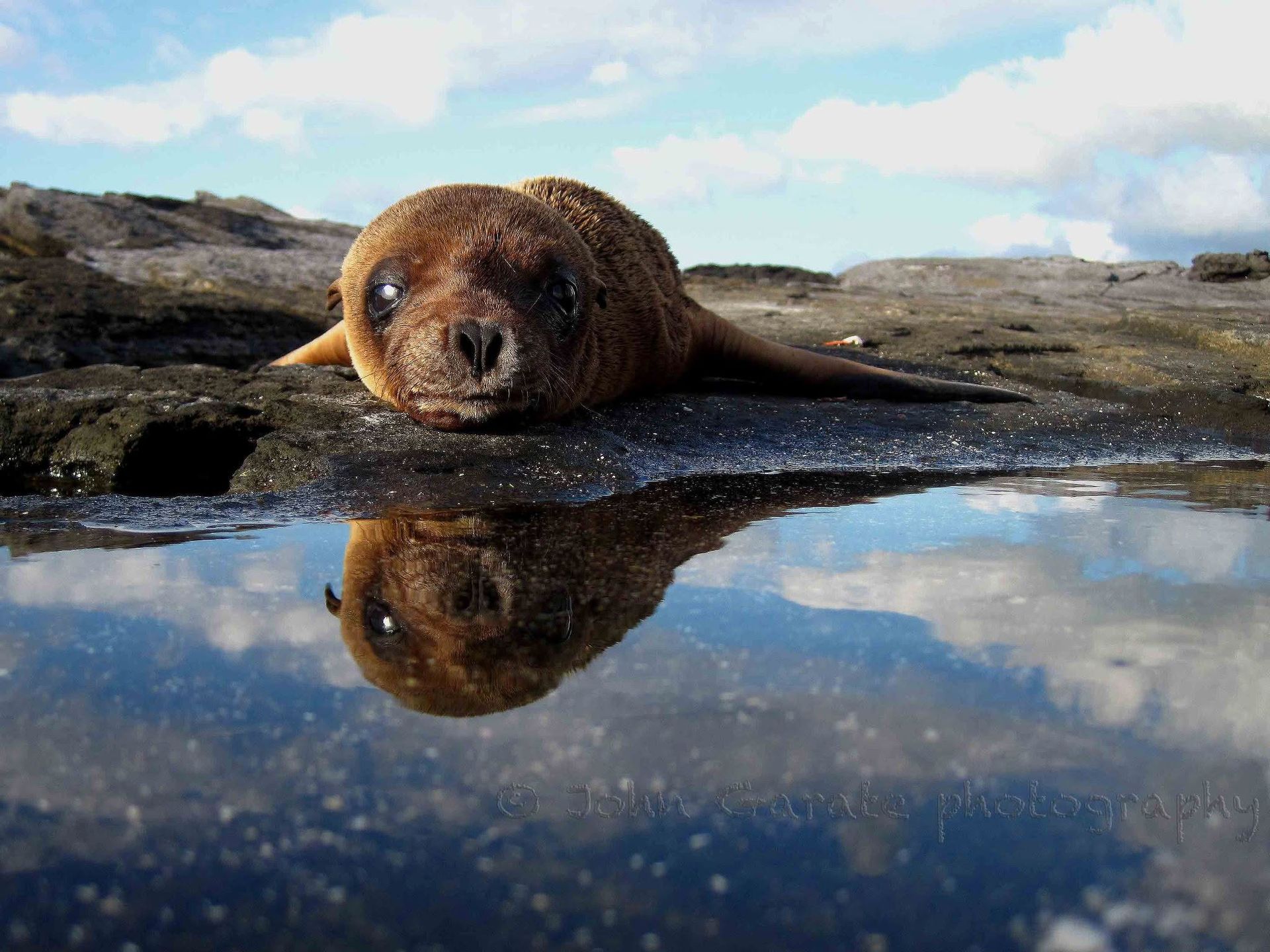
August marks the beginning of the Galápagos sea lion reproductive season, which generally continues through January.
This can be an especially interesting period for travelers who enjoy observing animal behavior rather than simply checking species off a list.
Sea lions are present year-round, but reproductive activity and the presence of pups can make certain months particularly memorable.
Always follow park guidance and maintain the required distance from wildlife, especially mothers and pups.
August wildlife highlights
- Sea lion reproductive activity
- Sea lion pups
- Penguins
- Seabirds
- Waved albatross
- Marine iguanas
- Giant tortoises
September: Cool Waters and Rich Marine Life
September is one of the cooler months in the Galápagos.
The Humboldt Current continues to bring nutrient-rich water, supporting marine ecosystems and attracting abundant fish and seabirds.
For travelers who prioritize marine wildlife, this can be an excellent time to visit.
The weather may be cooler and cloudier, and sea conditions can be rougher than during the warmer season.
September wildlife highlights
- Penguins
- Seabirds
- Marine iguanas
- Sea lions
- Waved albatross
- Rich marine ecosystems
October: Peak Sea Lion Activity
October is particularly interesting for travelers hoping to observe sea lion reproductive activity.
The Galápagos National Park Directorate identifies August through January as the sea lion reproductive period, with the highest levels of activity generally occurring in October and November.
October also remains part of the cooler season, with nutrient-rich waters supporting marine life.
October wildlife highlights
- Peak sea lion reproductive activity
- Sea lion pups
- Penguins
- Seabirds
- Marine iguanas
- Waved albatross
- Excellent marine wildlife opportunities
November: Sea Lions and Marine Wildlife
November continues the period of strong sea lion reproductive activity.
The cooler season is also still underway, although conditions are gradually moving toward the warmer season that begins around December.
For travelers interested in marine wildlife, November offers a compelling combination of sea lions, seabirds, penguins, and other marine species.
November wildlife highlights
- Sea lion reproductive activity
- Sea lion pups
- Penguins
- Seabirds
- Marine iguanas
- Marine wildlife
December: The Warm Season Returns
December marks the beginning of the warmer, wetter season.
Ocean temperatures begin to rise, vegetation becomes increasingly green, and rainfall generally occurs in short periods rather than throughout the day.
Sea lion reproductive activity continues into December, while marine iguana nesting begins in some areas.
The combination of warmer water, greener landscapes, and active wildlife makes December a popular time to visit.
December wildlife highlights
- Sea lion pups
- Sea lion reproductive activity
- Marine iguana nesting in some locations
- Giant tortoises
- Sea turtles
- Warmer ocean conditions
- Greener landscapes
When Is the Best Month to See Galápagos Wildlife?
There isn't one answer.
The best month depends on which wildlife and experiences matter most to you.
If you want sea turtle nesting
Consider January through May. Green sea turtles generally nest during this period, with important monitored sites including Las Bachas on Santa Cruz and Quinta Playa on Isabela.
If you want sea lion reproductive activity
Consider August through January, with particularly high activity in October and November.
If you want penguins and nutrient-rich marine conditions
Consider the cooler season from June through November. Penguins are easier to encounter during this period, although sightings are never guaranteed.
If you want warmer water and calmer seas
Consider December through May. This is generally the warmer season, with warmer ocean temperatures and calmer seas.
If you want to see a variety of wildlife
The good news is that wildlife viewing is excellent throughout the year. Instead of choosing a month based on one species, consider the overall experience you want from your Galápagos vacation.
Galápagos Wildlife Is Not Just About the Calendar
A wildlife calendar is useful, but it should not become the entire focus of your trip.
Galápagos animals do not follow a traveler's itinerary.
You may visit specifically hoping to see a particular species and instead have an unforgettable encounter with something you weren't expecting.
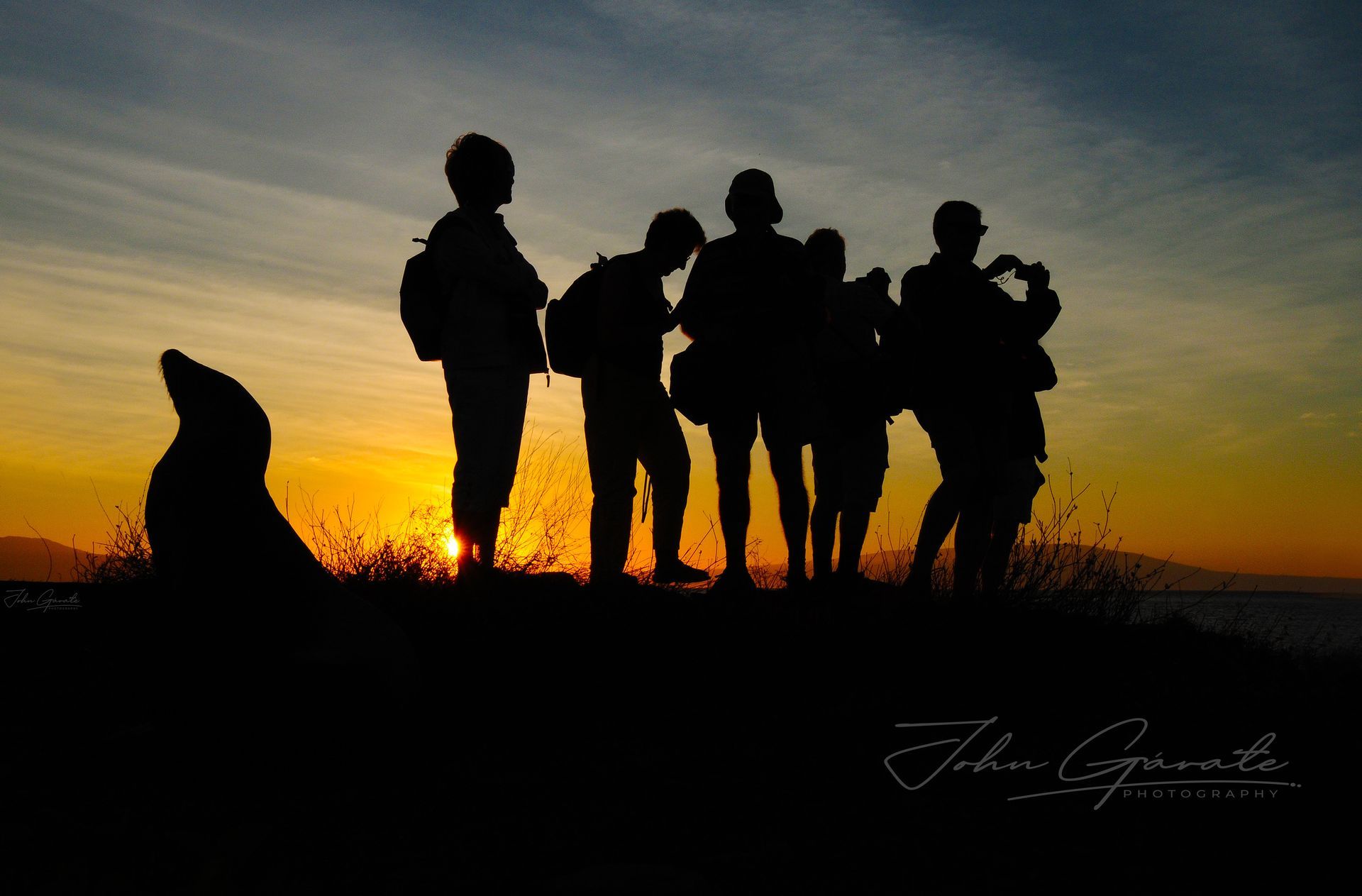
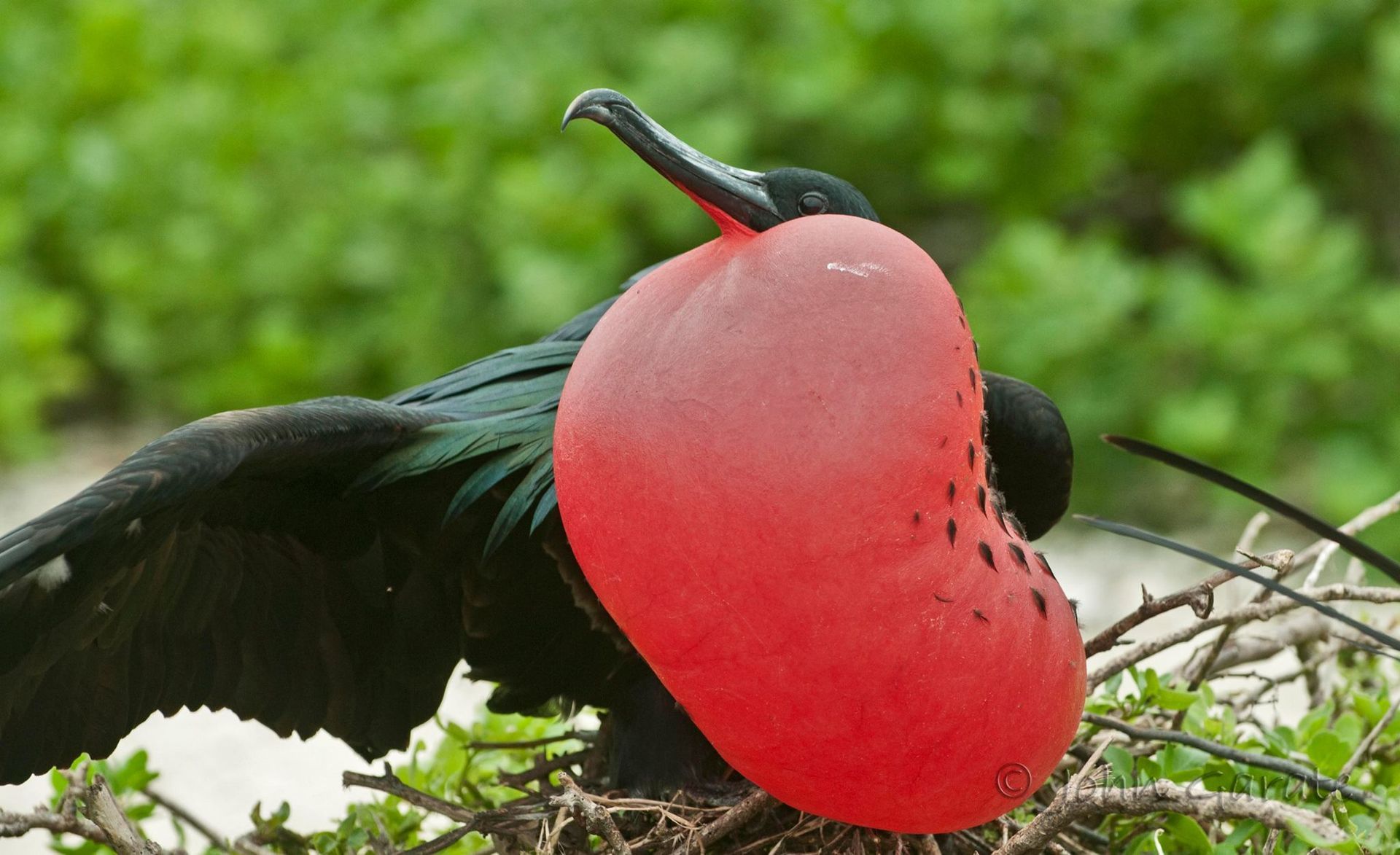
A sea lion may appear beside your kayak. A marine iguana may be warming itself on a lava rock. A giant tortoise may slowly cross the road in the highlands. Frigatebirds may circle overhead while you're walking along the waterfront.
Those experiences are part of what makes the Galápagos different from a traditional wildlife destination.
The goal is not to “collect” animals.
It is to observe them respectfully in the environment where they live.
Give Wildlife Space
Galápagos wildlife is protected, and visitors play an important role in protecting it.
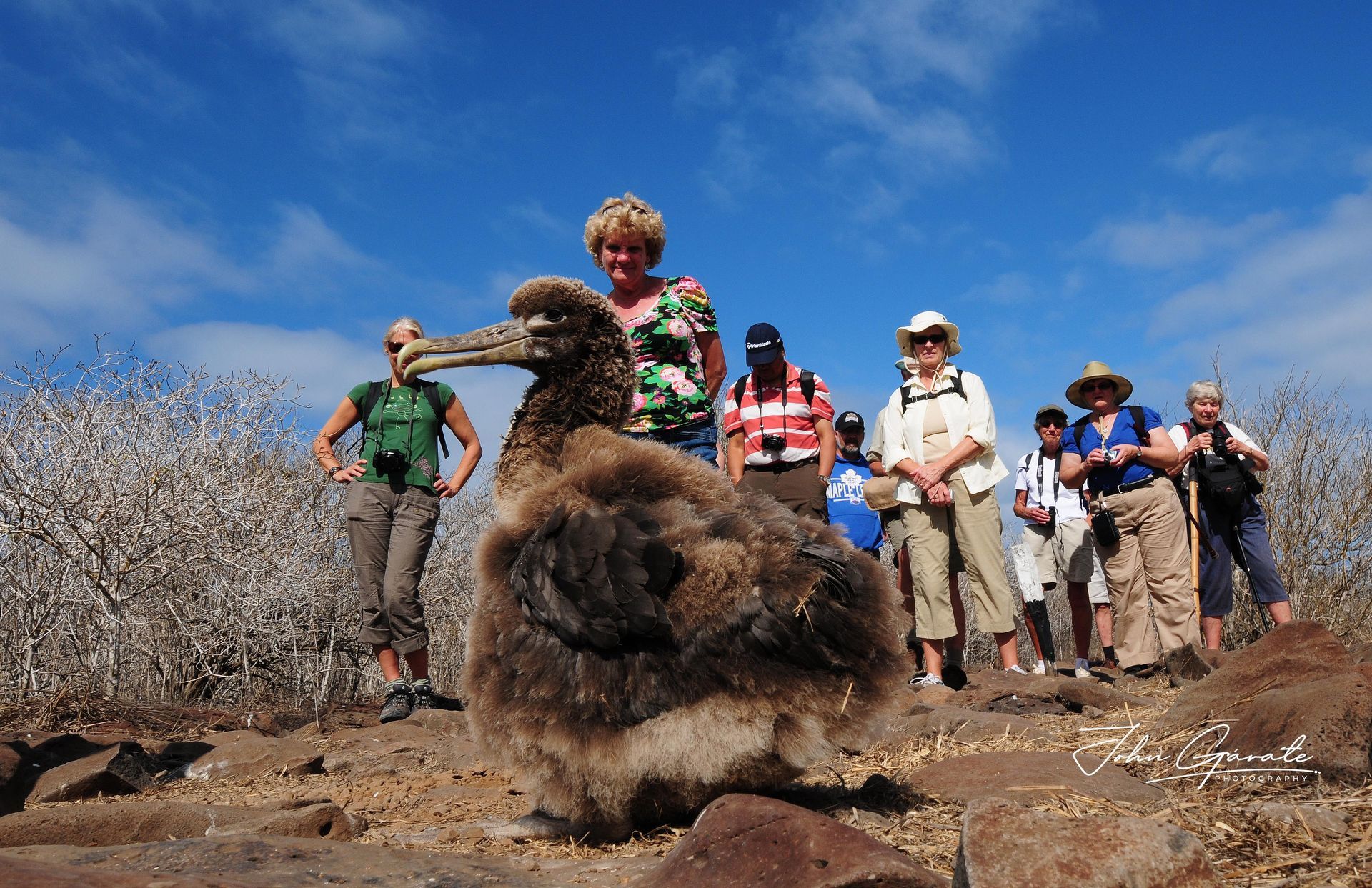
Never approach, touch, feed, chase, or attempt to attract wildlife for photographs.
This is particularly important around sea lions and their pups. During reproductive season, the National Park Directorate emphasizes maintaining authorized distances for the safety of both visitors and wildlife.
If a trail is marked, stay on the designated path. If an area is closed or protected for nesting, respect the restriction.
The best wildlife photograph is one that does not disturb the animal.
Wildlife and Weather: Which Season Is Right for You?
Your decision may ultimately come down to more than wildlife.
December through May
The warmer, wetter season generally brings:
- Warmer air
- Warmer ocean water
- Calmer seas
- Greener vegetation
- Short periods of rainfall
- Sea turtle nesting
- Active bird behavior and breeding
This can be an excellent choice if you want to combine wildlife with swimming, snorkeling, beaches, and warmer conditions.
June through November
The cooler, drier season generally brings:
- Cooler air
- Cooler ocean water
- Nutrient-rich marine conditions
- Strong marine productivity
- More seabird activity
- Better opportunities to encounter penguins
- Waved albatross on Española
- Sea lion reproductive activity later in the season
This season can be particularly appealing to travelers whose priority is marine wildlife and seabirds.
Wildlife Experiences From Santa Cruz
Santa Cruz is an excellent base for travelers who want a land-based Galápagos vacation.
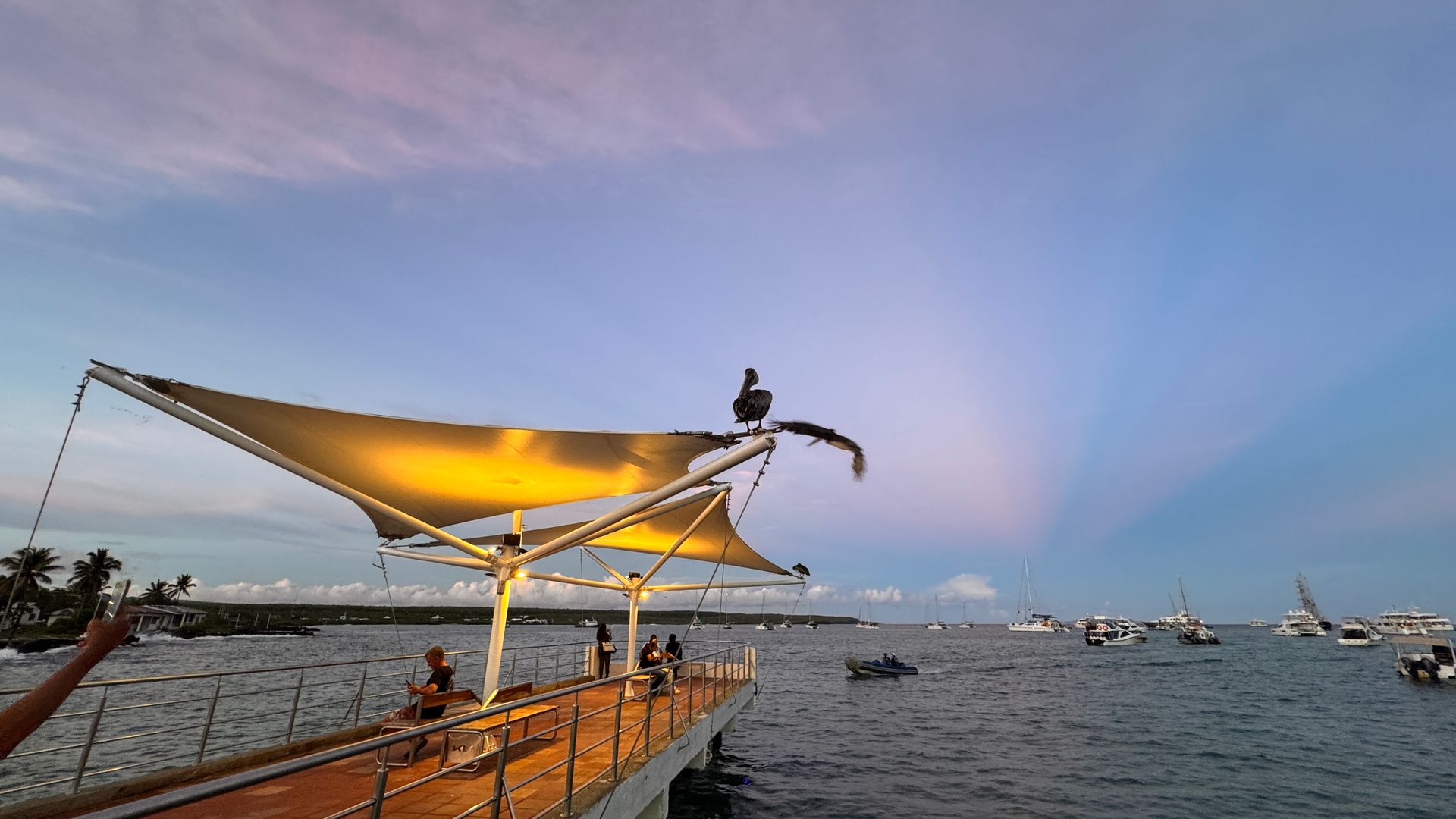
From Puerto Ayora, you can combine time in town with beaches, highland wildlife, conservation sites, and day excursions to other visitor sites.
You can spend one day looking for giant tortoises in the highlands, another exploring the coast, and another taking a boat excursion.
Then you return to the same accommodation rather than packing and unpacking every night.
For more ideas, explore our Things to Do in the Galápagos.
Why Puerto Ayora Works So Well as a Wildlife Base
Puerto Ayora gives travelers something that can be difficult to achieve on a tightly scheduled itinerary: flexibility.
You can plan major wildlife excursions while still leaving time for beaches, restaurants, local experiences, and simply enjoying the town.
Our Puerto Ayora Guide for First-Time Visitors covers practical information about the town, transportation, beaches, food, wildlife, ferries, and things to do.
For many travelers, that flexibility is one of the biggest advantages of a land-based Galápagos vacation.
Where to Stay for a Wildlife-Focused Galápagos Trip
After a full day outdoors, where you stay matters.
Wildlife excursions often mean early mornings, boat travel, walking, swimming, snorkeling, and time in the sun. Having a comfortable place to return to can make the experience much more enjoyable.
When comparing accommodations, think about more than location.
Consider:
- How much space you need
- Whether you want a kitchen
- Whether you are traveling with children
- Whether you want a living area
- How long you are staying
- Whether you prefer a quiet, residential setting
- How easily you can reach restaurants, shops, ferries, and tour operators
Our guide to Where to Stay on Santa Cruz Island can help you compare the practical advantages of staying in Puerto Ayora and other parts of the island.
Stay at Torre Mar Galápagos Boutique Suites
Torre Mar Galápagos Boutique Suites provides a comfortable land-based home base in Puerto Ayora for travelers who want to explore Santa Cruz and the surrounding islands.
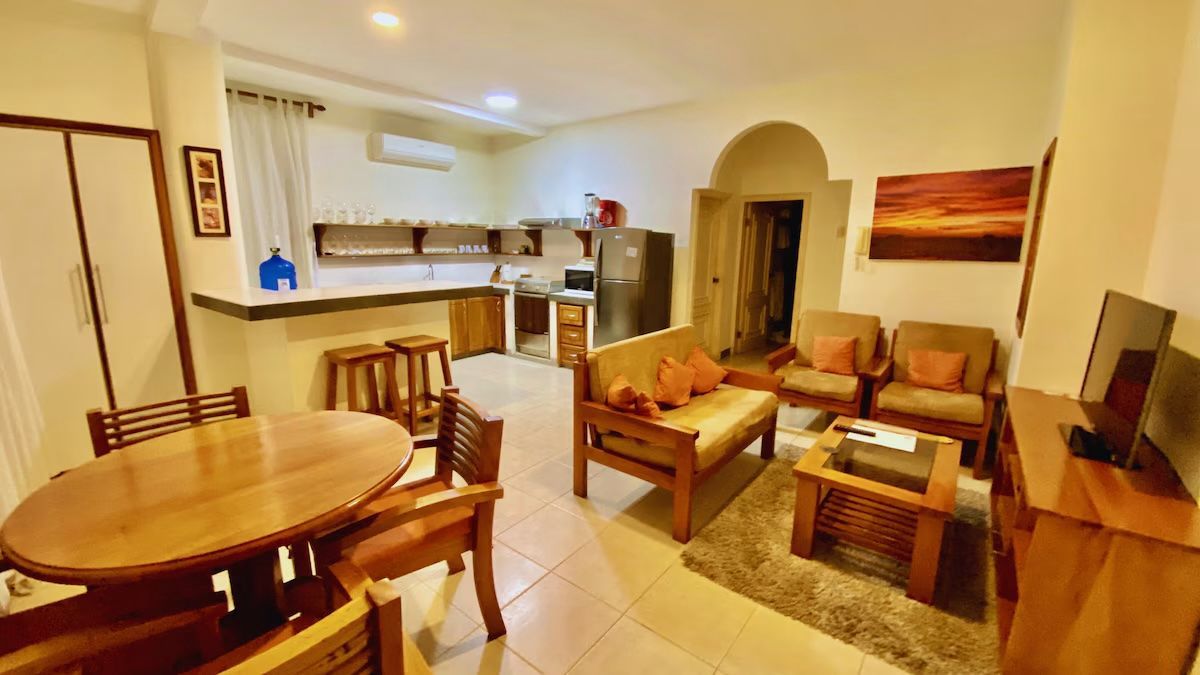
The family-owned property offers spacious apartment-style suites, with options that can include kitchens, living areas, outdoor spaces, balconies, and room for families or groups to spread out.
That extra space can be especially useful on a wildlife-focused vacation.
After a morning excursion, you have somewhere comfortable to relax. Families can prepare something in the kitchen. Couples can enjoy a quiet evening. Friends traveling together can share a living space instead of being confined to separate hotel rooms.
And because Galápagos travel can involve changing conditions and many practical details, local knowledge matters.
Torre Mar's team can help guests navigate the practical side of a Puerto Ayora stay while providing the independence of a suite.
Explore Torre Mar's Suites to find the accommodation that fits your trip.
So, When Should You Visit the Galápagos?
The best time to visit depends on what you want to experience.
Come during the warmer season if warmer water, greener landscapes, calmer seas, and sea turtle nesting appeal to you.
Choose the cooler season if you're especially interested in nutrient-rich marine waters, seabirds, penguins, and other marine wildlife.
Visit during August through January if sea lion reproductive activity is a particular interest, especially October and November.
But don't let a wildlife calendar make the decision harder than it needs to be.
Galápagos wildlife is extraordinary year-round.
What matters most is choosing an itinerary that gives you enough time to experience the islands without rushing from one excursion to the next.
Plan around the wildlife you most want to see—but leave room for the unexpected.
Some of the best Galápagos memories are the encounters you never planned.
And when the day's adventure is over, having a comfortable home base in Puerto Ayora gives you somewhere to relax, recharge, and prepare for tomorrow's adventure.
Explore Torre Mar Galápagos Boutique Suites and make Puerto Ayora your home base for discovering the wildlife of the Galápagos.