Are the Galápagos Good for Families? A Family Travel Guide
Find out why the Galápagos can be an extraordinary family vacation, with practical advice on activities, pacing, wildlife, accommodations, and traveling with children of different ages.
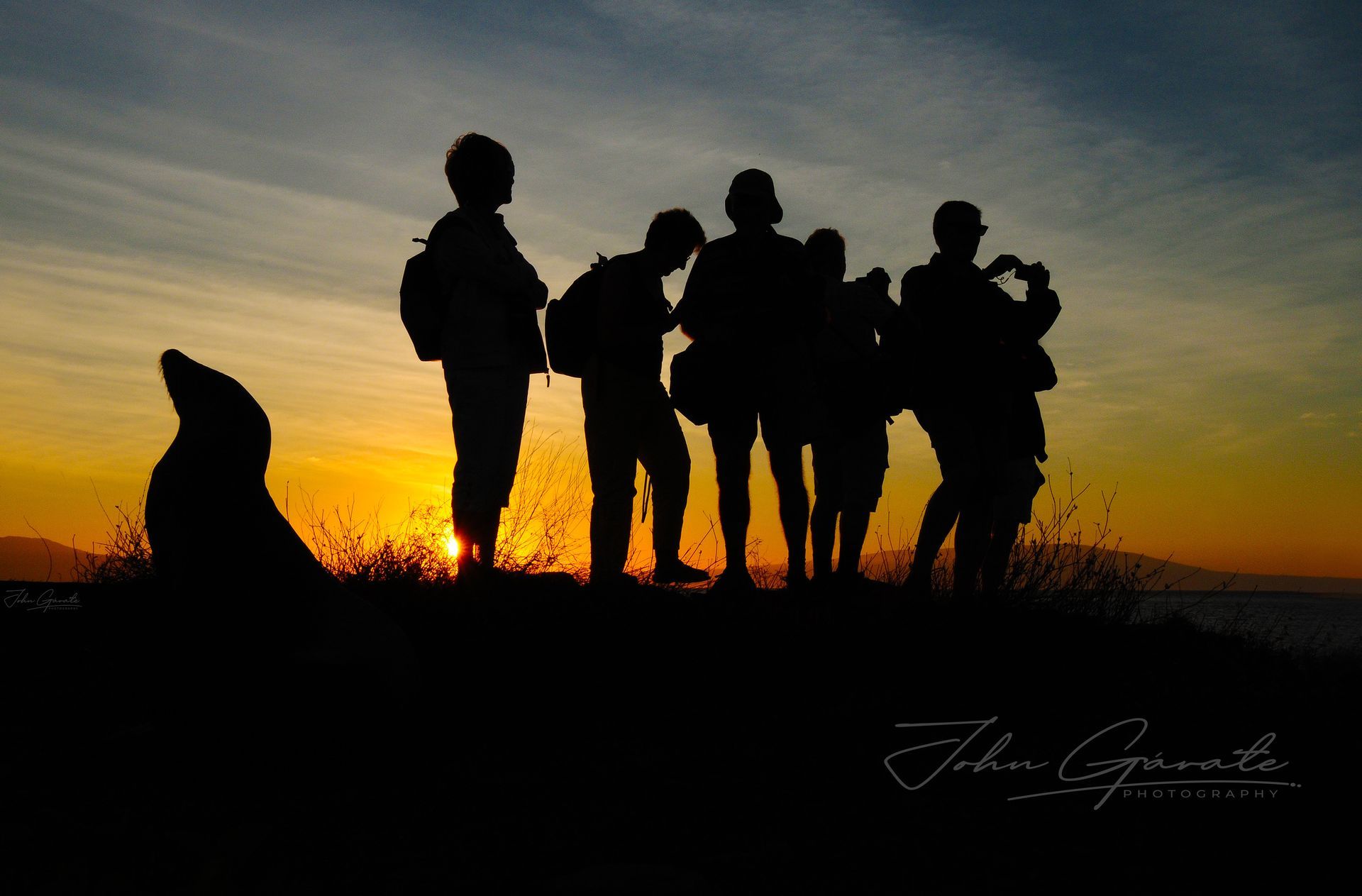
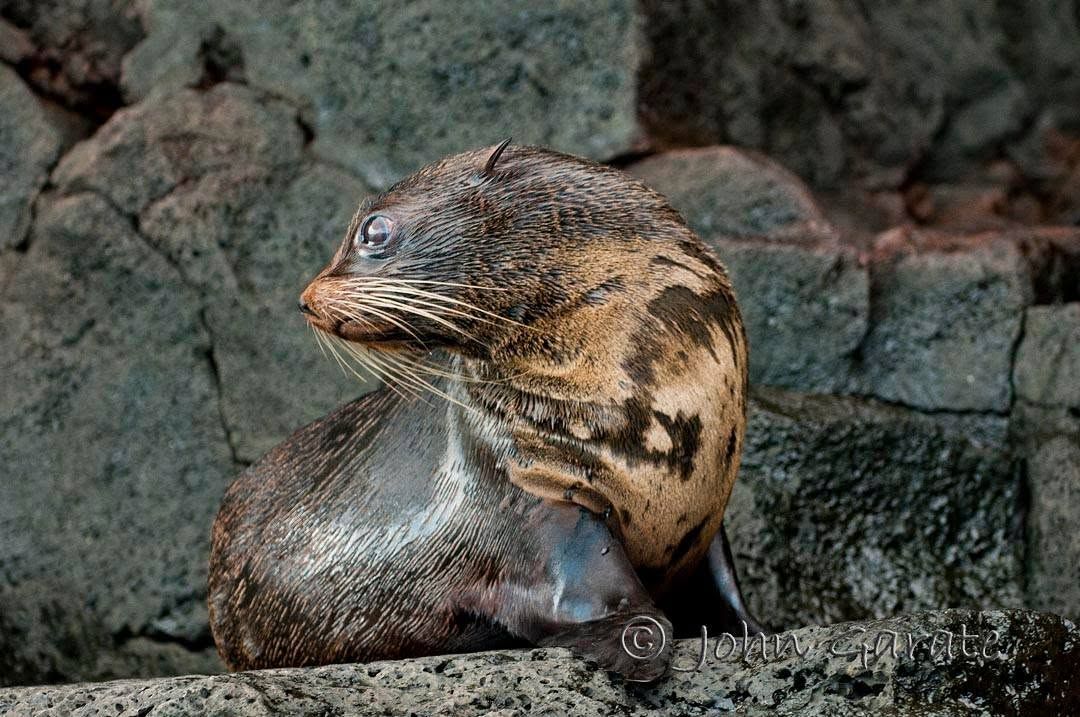
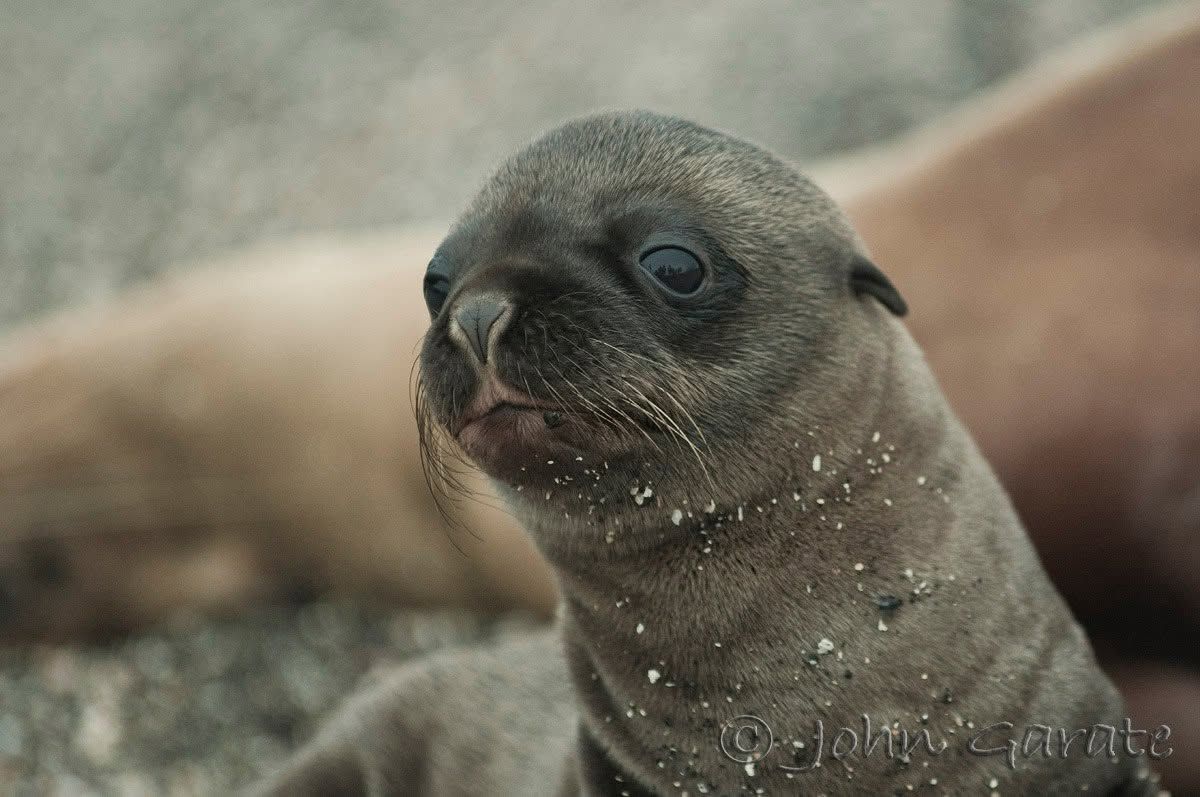
A sea lion pup shuffling across a sandy path can hold a child's attention longer than any screen. A blue-footed booby stepping carefully around its nest can do the same for a teenager who insists they are “not really into nature.”
That close, unfiltered contact with wildlife is why so many parents ask: Are the Galápagos good for families?
For the right family, the answer is yes. The Galápagos can be an extraordinary family vacation—provided the trip is paced thoughtfully and planned around real energy levels rather than a packed wish list.
The Galápagos are not a theme park, and that is part of their magic. Children are visitors in a protected wild environment, where animals often carry on nearby and families learn by observing rather than simply being entertained.
Days can include beach time, short walks, snorkeling, boat excursions, wildlife encounters, and fresh island meals, with enough flexibility to pause when someone needs a snack, a swim, or an early night.
Are the Galápagos Good for Families of All Ages?
Generally, yes—but the best itinerary looks different for a preschooler, an adventurous 10-year-old, a wildlife-loving teenager, or grandparents traveling with the family.
The islands reward curiosity more than endurance. A family does not need to hike for hours every day to have memorable encounters with marine iguanas, giant tortoises, pelicans, reef fish, and sea lions.
Traveling to the Galápagos With Young Children
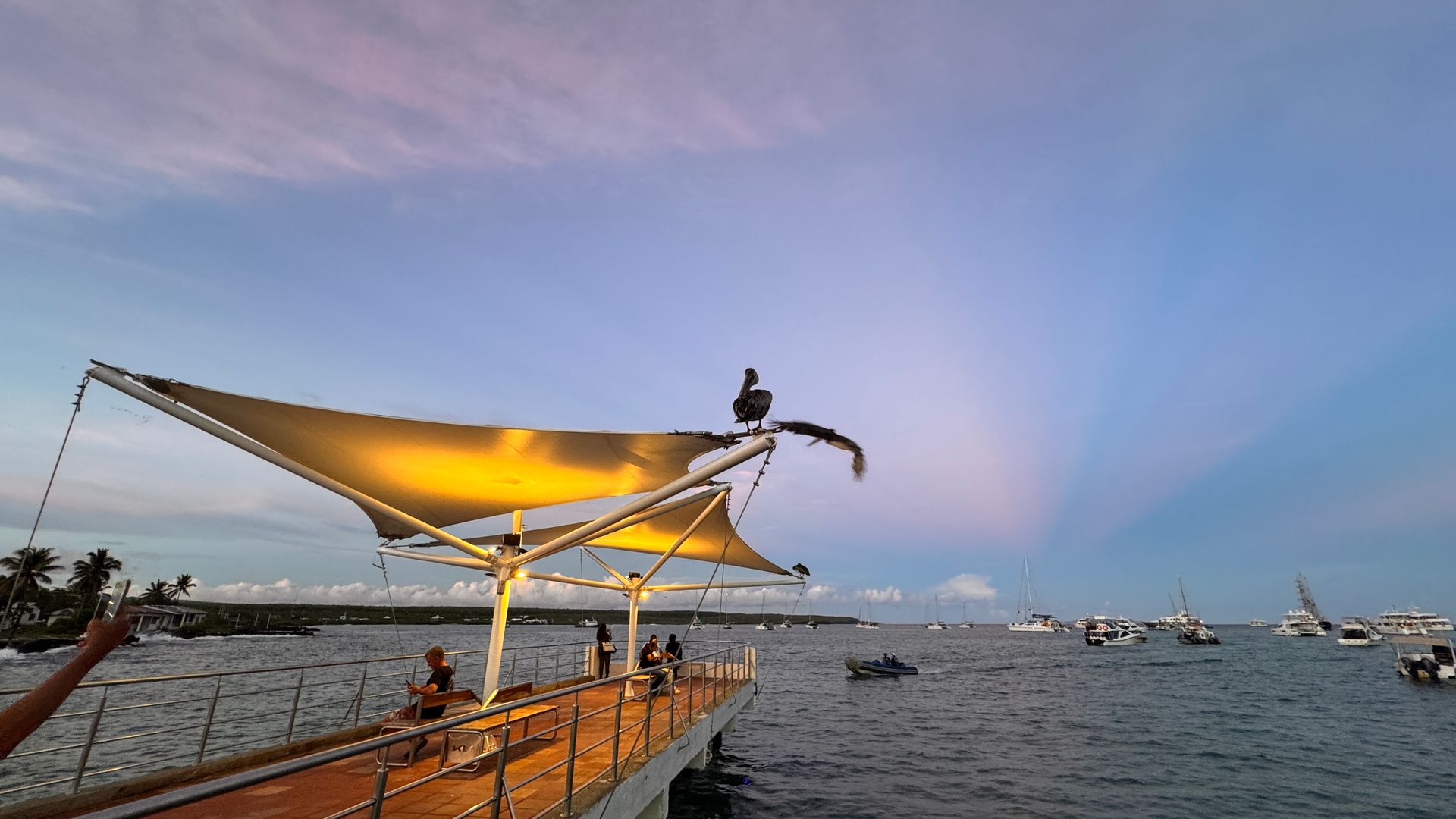
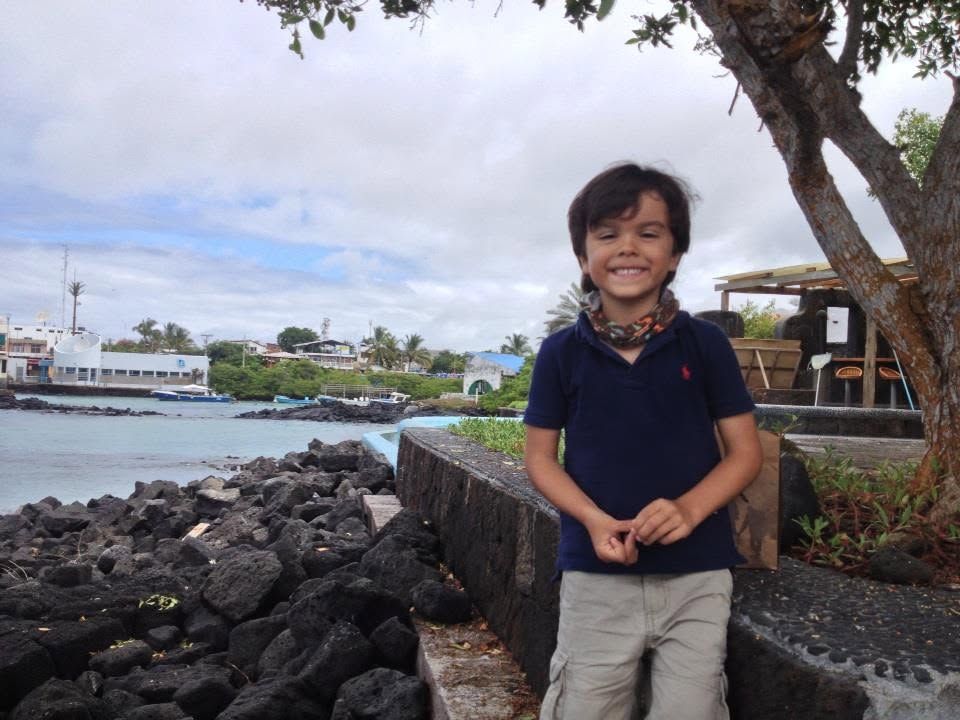
For younger children, Santa Cruz can be an especially practical base because Puerto Ayora combines wildlife experiences with restaurants, grocery stores, pharmacies, waterfront walks, tour operators, and other everyday conveniences.
That makes it easier to return to your accommodation between activities rather than spending every day in transit.
That breathing room matters when naps, early bedtimes, snacks, or a change of clothes can determine whether a day feels joyful or exhausting.
Families planning their first visit can also explore our Puerto Ayora Guide for practical ideas about the town and nearby experiences.
Traveling to the Galápagos With School-Age Children
School-age children often thrive in the Galápagos because the islands turn lessons into something tangible.
They can see volcanic landscapes, learn why species evolved differently from island to island, and observe conservation efforts firsthand.
A visit to see giant tortoises can be more memorable than a textbook chapter because the animals are right there, moving slowly through their habitat.
The experience naturally encourages questions—and that makes the Galápagos an excellent place for children to learn while traveling.
Traveling to the Galápagos With Teenagers
Teenagers may enjoy the independence and sense of discovery that comes with a Galápagos trip.
Snorkeling, kayaking, surfing, biking, wildlife photography, hiking, or taking a day trip to another island can give older children genuine experiences to bring home.
Giving teenagers a voice in the itinerary can also help. Let them choose one activity or decide which experience they most want to try.
That small amount of ownership can turn a family vacation into a shared adventure rather than something planned entirely by adults.
Multigenerational Galápagos Travel
For multigenerational families, the main consideration is often mobility rather than age.
Some trails are uneven, boat landings can require balance, and full-day excursions can be tiring.
At the same time, there are gentler ways to experience the islands: highland tortoise visits, waterfront walks, scenic beaches, wildlife viewing close to town, and relaxed outings that don't require an entire day away from your accommodation.
The goal isn't for everyone to do exactly the same thing. A good family itinerary gives each generation opportunities to participate at a comfortable pace.
Why a Land-Based Galápagos Family Vacation Can Work So Well
A cruise offers a remarkable way to reach remote visitor sites, but it is not automatically the best choice for every family.
Cabin space can be limited, schedules are structured, and seasickness can affect even enthusiastic travelers. On a boat, there is also less opportunity for a child who simply needs a quiet afternoon away from scheduled activities.
A land-based Galápagos vacation gives families more control over the rhythm of the trip.
You can build full-day excursions around rest days, choose a shorter activity when the weather is warm, enjoy an unhurried breakfast before heading out, and return to the same accommodation each evening.
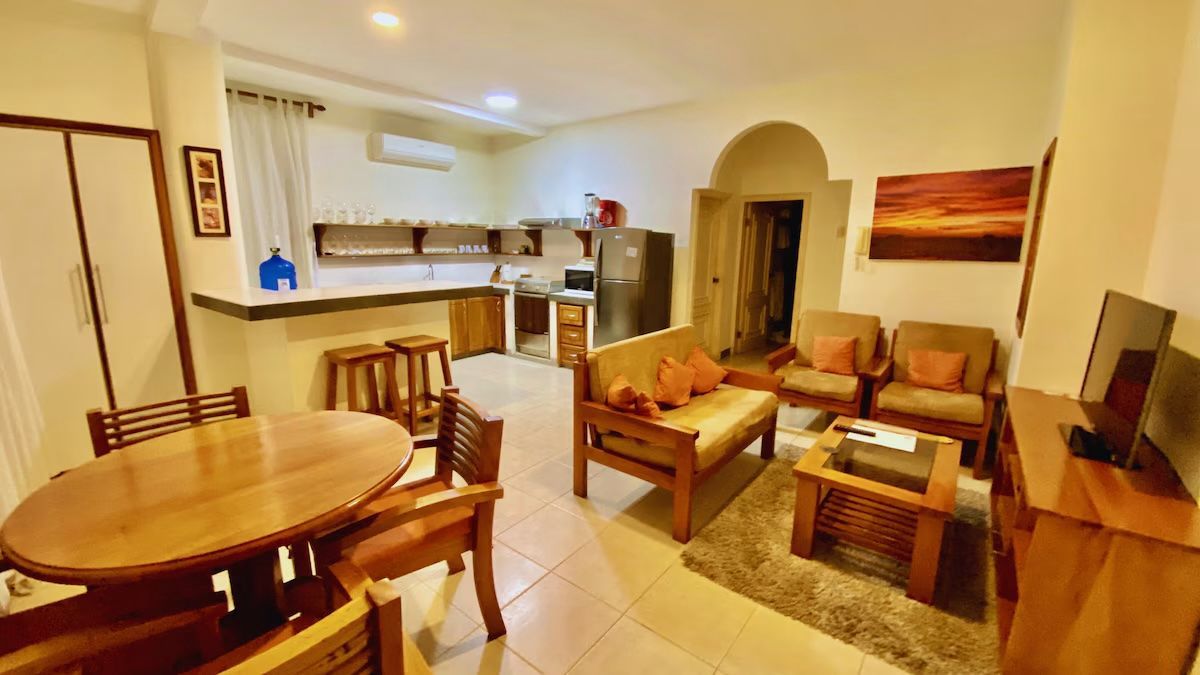
For families, having separate bedrooms, a living area, and kitchen facilities can make a meaningful difference—particularly with young children, dietary needs, or different sleep schedules.
At Torre Mar Galápagos Boutique Suites, apartment-style accommodations provide a home-like base in Puerto Ayora, with different suite layouts designed for couples, families, and larger groups.
The Torre Mar team can also assist with practical details such as airport transfers, ferry arrangements, pre-arrival groceries, restaurants, and activities.
For a family, reducing logistical friction can be as valuable as adding another tour.
When the basics are handled, there is more room for the moments that matter: a child describing the first sea turtle they spotted, everyone lingering over breakfast, or a teenager discovering that wildlife is much more interesting in person than on a screen.
Is a Land-Based Trip Right for Every Family?
Land-based travel does involve trade-offs.
You will not reach every far-flung visitor site that a longer cruise may include, and some excursions require early starts, boat travel, or ferry crossings.
But for many families, seeing fewer places at a more comfortable pace leads to a richer trip.
Torre Mar's Puerto Ayora Stay vs. Cruise guide provides a more detailed comparison of the two travel styles.
The Family Activities Children Remember Most
The best family days usually combine one main adventure with time to play, rest, and notice what is around them.
Snorkeling at the Right Pace
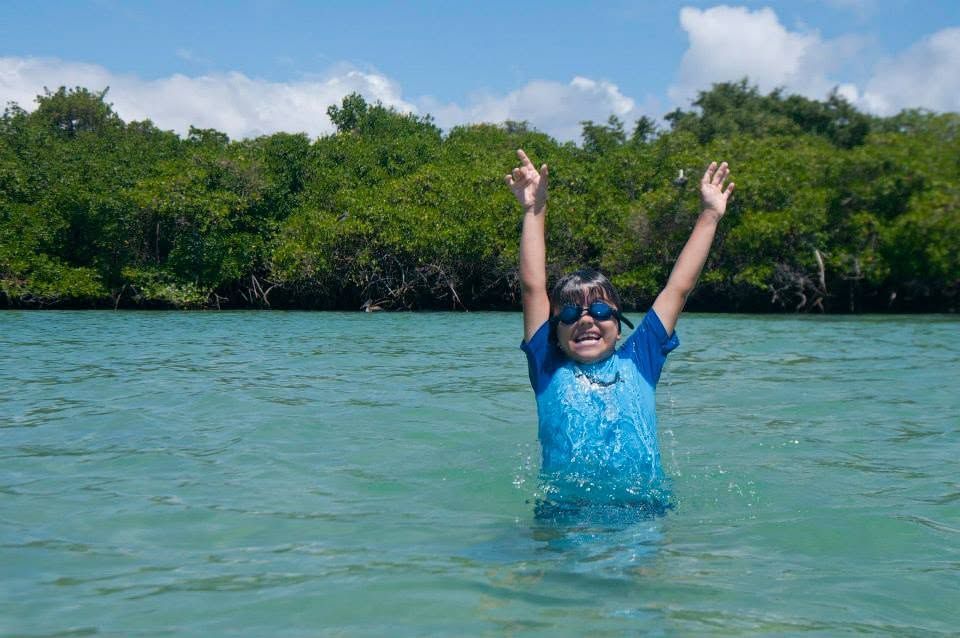
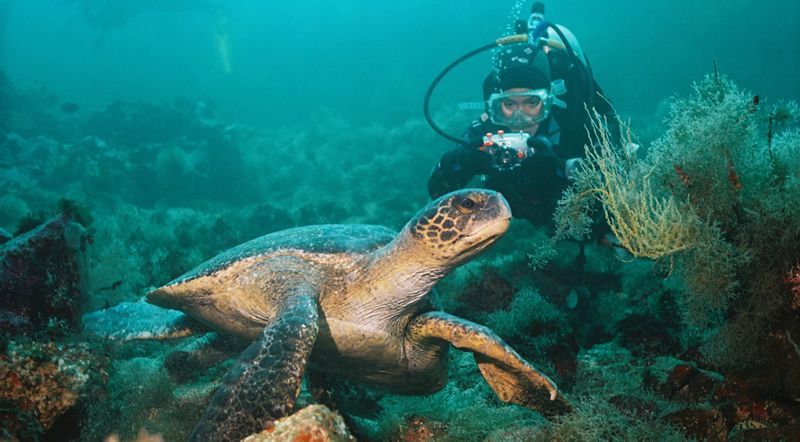
Snorkeling can be one of the highlights of a family trip to the Galápagos, particularly for older children and teenagers who are comfortable in the water.
Families should choose snorkeling locations based on age, swimming ability, water conditions, and confidence—not simply because a particular site is popular.
For younger or inexperienced swimmers, a calm, supervised experience may be a better choice than an ambitious outing chosen only for its wildlife reputation.
The goal is to make the experience exciting rather than stressful.
Make Time for the Beach
Beach time belongs on the itinerary, not just in the gaps between excursions.
On Santa Cruz, families can enjoy beautiful beaches, explore the shoreline, and watch wildlife from a respectful distance.
Our guide to the best beaches in the Galápagos provides ideas for choosing coastal experiences on Santa Cruz and beyond.
Bring sun protection, water, snacks, and a change of clothes, then allow children time to simply enjoy being at the beach.
Explore the Santa Cruz Highlands
A highlands day offers a welcome change from the coast.
The cooler, greener landscape and giant tortoises feel wonderfully different from the dry volcanic scenery near the shore.
For children, seeing giant tortoises in person can become one of the defining memories of the trip.
Pairing a highlands visit with a relaxed afternoon back in Puerto Ayora can be more enjoyable than adding another long excursion to the same day.
Explore Puerto Ayora
Families don't have to be on a formal excursion every day.
Walking around Puerto Ayora, visiting the waterfront, watching the fishing boats, exploring the fish market, enjoying a meal, or stopping for a treat can all become part of the experience.
Sometimes the simplest moments are the ones children remember.
Plan Around Energy, Weather, and Boat Time
One of the most common family-planning mistakes is trying to see too much too quickly.
The Galápagos involve travel steps that are easy to underestimate: flights, airport procedures, the journey from Baltra Airport to Puerto Ayora, drives, boat transfers, and the simple effort of being outdoors in equatorial sun.
None of this is a reason to avoid the islands.
It is a reason to leave room in the schedule.
Give Your Family a Low-Key Arrival Day
If possible, don't schedule a demanding excursion immediately after arriving.
Give everyone time to settle in, eat, explore the neighborhood, and adjust to the new environment.
Choose One Major Experience Per Day
Especially with younger children, one substantial activity may be enough.
For example:
- Morning excursion followed by a relaxed afternoon
- Beach morning and Puerto Ayora in the afternoon
- Highlands visit followed by dinner in town
- Snorkeling followed by downtime at your accommodation
A family vacation doesn't need to be a collection of back-to-back activities.
Leave Room for Weather and Sea Conditions
Galápagos weather and sea conditions can influence excursions, crossings, and how comfortable everyone feels outdoors.
Build flexibility into your plans rather than treating every day as immovable.
If conditions change, having a comfortable place to return to can turn an unexpected change into a relaxed afternoon instead of a disappointment.
Consider Motion Sickness Before Your First Boat Ride
If anyone in your family is prone to motion sickness, plan for it before the first boat ride.
Talk with a medical professional about appropriate remedies, consider what works best for the individual traveler, eat lightly before traveling, and follow the operator's guidance about where to sit and how to prepare.
Most importantly, don't make every day a ferry or boat-excursion day.
A slower day between major water-based activities can make the overall trip much more comfortable.
Choose Family-Friendly Accommodation Carefully
Where you stay can have a surprisingly large effect on how a family experiences the Galápagos.
After a full day of hiking, swimming, snorkeling, or exploring, families often appreciate having more than a traditional hotel room.
Look for:
- Enough sleeping space for everyone
- Separate sleeping or living areas when possible
- Kitchen facilities if they would make family meals easier
- A comfortable place to rest between excursions
- Convenient access to restaurants and groceries
- Helpful local hosts
- Reliable Wi-Fi
- Air conditioning when appropriate for your family's needs
Our guide to Family-Friendly Accommodations in the Galápagos covers the features families should consider when choosing where to stay.
You can also read How to Choose the Best Family Suite for Your Galápagos Vacation for a closer look at room layouts and practical considerations.
At Torre Mar Galápagos Boutique Suites, families can choose among different apartment-style accommodations, including suites with kitchens, living areas, and multiple bedrooms depending on the unit.
Explore Torre Mar's suites to see the available accommodation options.
Make Conservation Part of the Family Experience
The Galápagos feel special because they are protected, and families play a part in keeping them that way.
The guidelines are straightforward: stay on designated trails, maintain a respectful distance from animals, never feed wildlife, take litter with you, and follow your guide's instructions.
These aren't restrictions that diminish the experience.
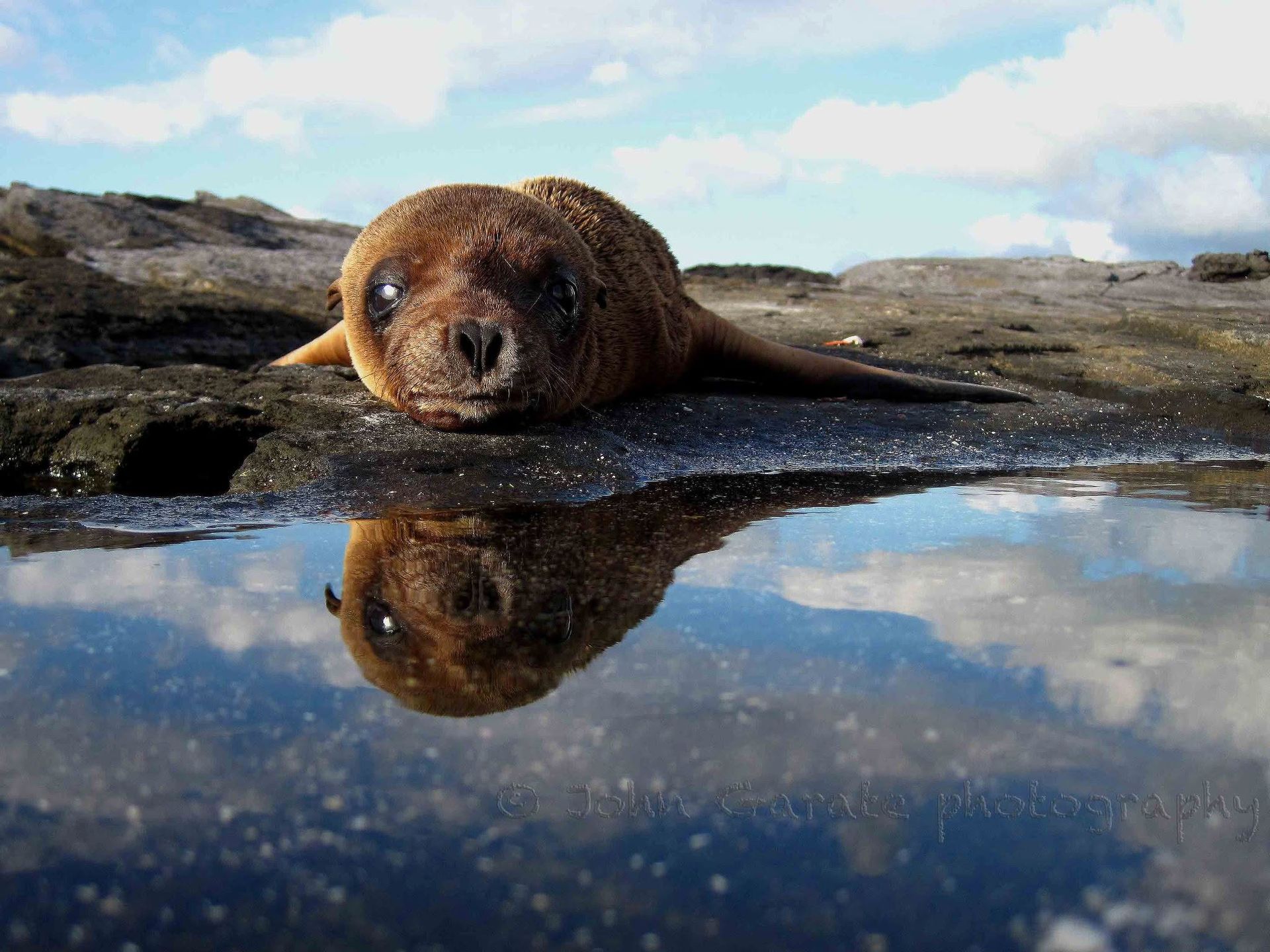
They are part of what makes it possible for a child to watch a sea lion resting on the shore or observe a marine iguana without the animal being trained, handled, or chased away.
Before the trip, explain that wildlife is not there for selfies or touching.
During the trip, let children carry a reusable water bottle, help spot trail markers, keep a wildlife journal, or look for animals from an appropriate distance.
Small actions can help children understand that travel can be both exciting and responsible.
Let Children Help Plan the Adventure
Give children some ownership of the trip.
Depending on their age, let them:
- Choose a beach
- Help select one family activity
- Keep a wildlife journal
- Take photographs
- Choose an animal they want to learn about
- Help plan a relaxed afternoon
Older children and teenagers may enjoy identifying wildlife, learning about conservation, or helping determine which excursion the family should take.
The Galápagos naturally encourages curiosity, making it an ideal place for children to learn while traveling.
How Long Should a Family Stay in the Galápagos?
For families, a longer stay can often be better than trying to visit several islands in a short period.
Seven days can provide a wonderful introduction, particularly if you concentrate on one or two islands.
Ten days gives families more flexibility for day trips, rest days, and changing plans.
Two weeks can allow a more relaxed island-hopping experience if everyone is comfortable with the additional travel.
The key is not the number of islands you visit. It is whether your itinerary gives your family enough time to actually enjoy them.
For families staying on Santa Cruz, our Santa Cruz Island Guide can help you decide how to use your time.
So, Are the Galápagos Good for Families?
Yes—the Galápagos can be an exceptional family destination when the itinerary is designed around the family rather than the other way around.
The islands are particularly rewarding for families who enjoy wildlife, outdoor experiences, learning, and time together.
The most successful family trips don't try to see everything.
They leave room to slow down.
They recognize that a four-year-old may remember the sea lion beside the pier more vividly than the expensive day tour. A teenager may unexpectedly become fascinated by marine iguanas. Grandparents may prefer a quiet morning and a scenic afternoon rather than another demanding excursion.
That is the beauty of a well-planned Galápagos family vacation.
Choose activities that suit your family's ages and abilities. Build in rest. Stay somewhere that makes everyday life easier. Leave room for weather and unexpected discoveries.
Then let the islands do what they do best.
A sea lion barking near the pier. A giant tortoise moving slowly through the highlands. A child spotting a marine iguana before anyone else.
Those are the moments that turn a family vacation into a family story.