8 Best Beaches in the Galápagos Worth the Trip
8 Best Beaches in the Galápagos Worth the Trip | Torre Mar
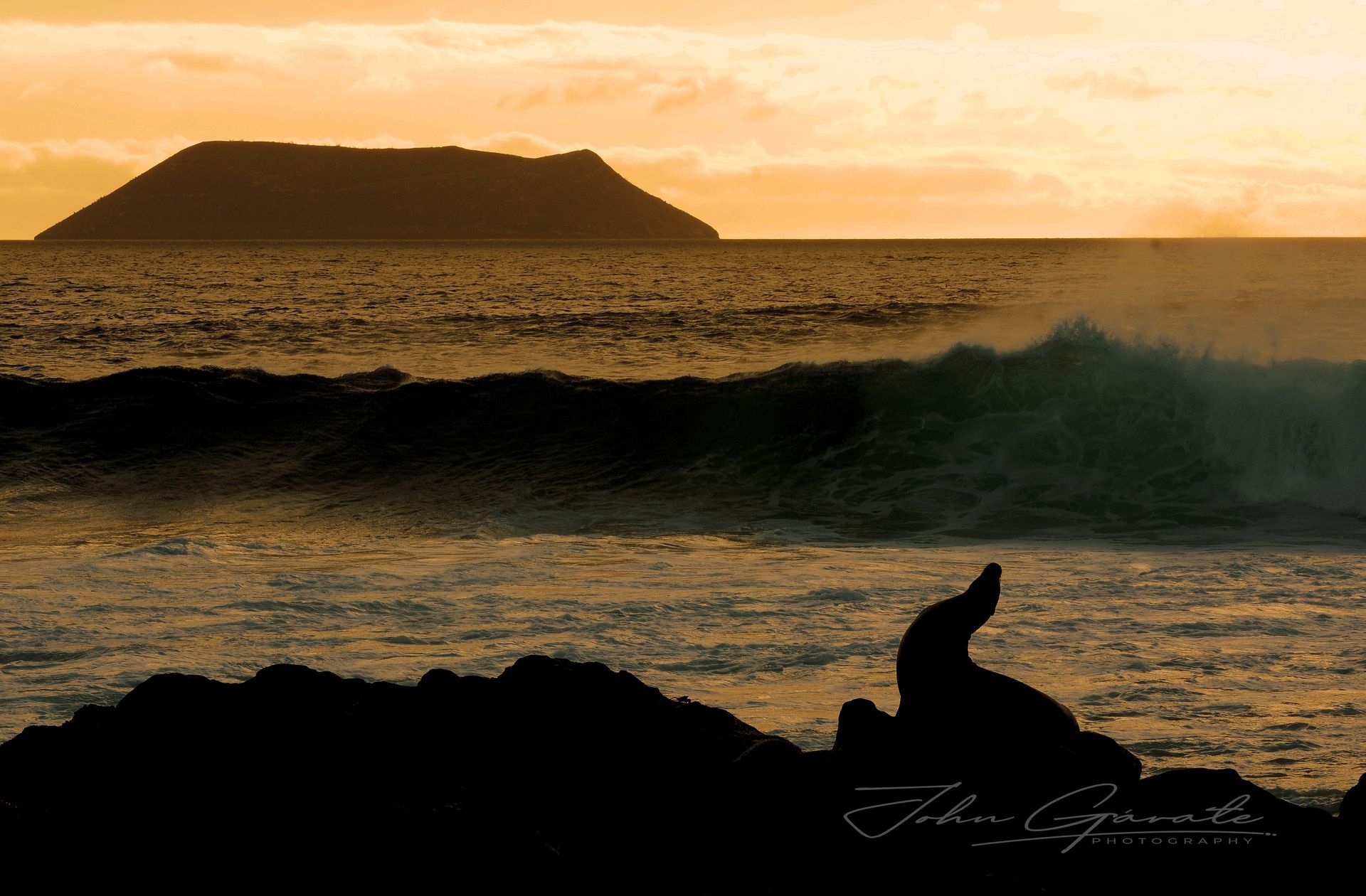
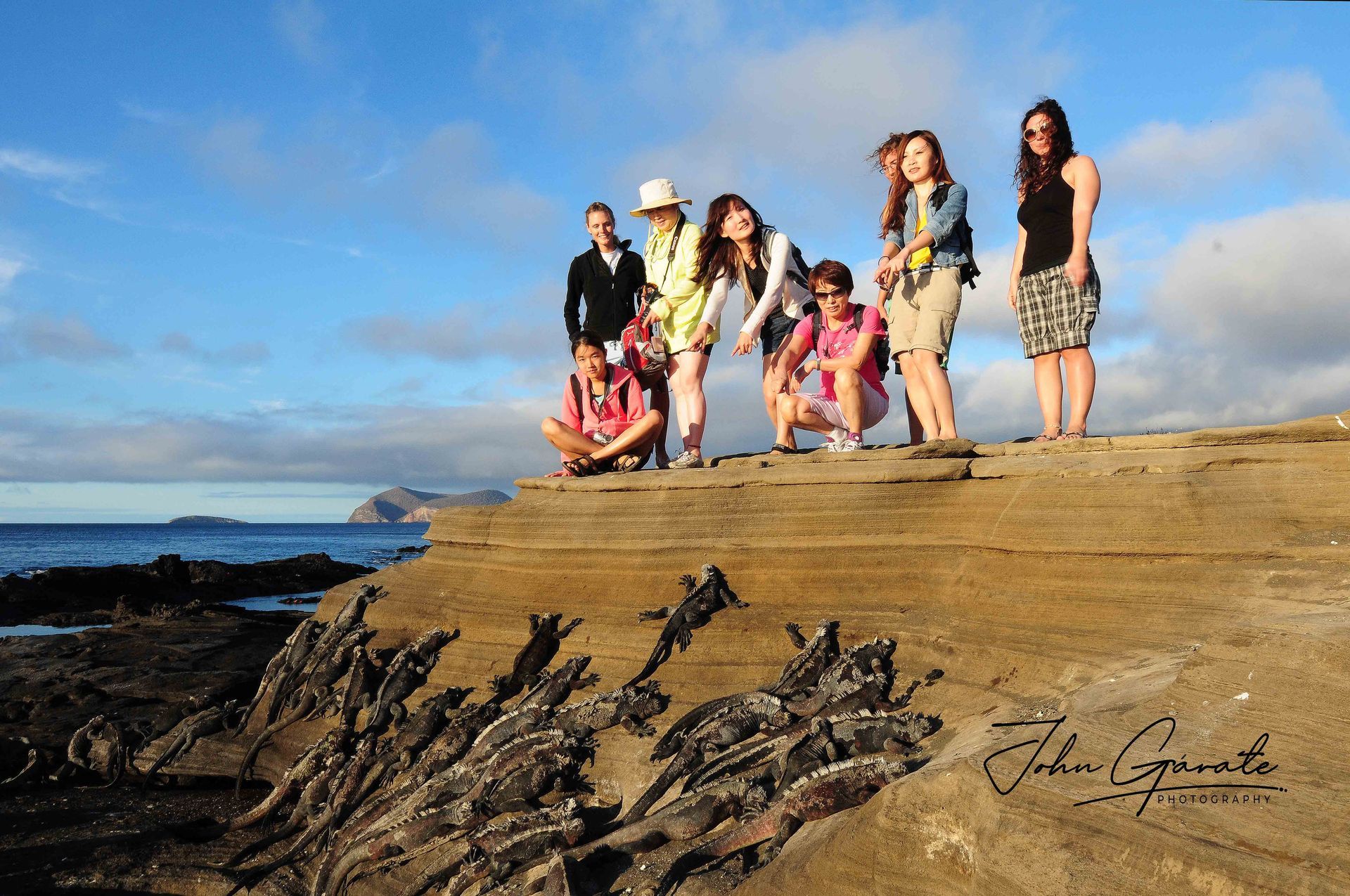
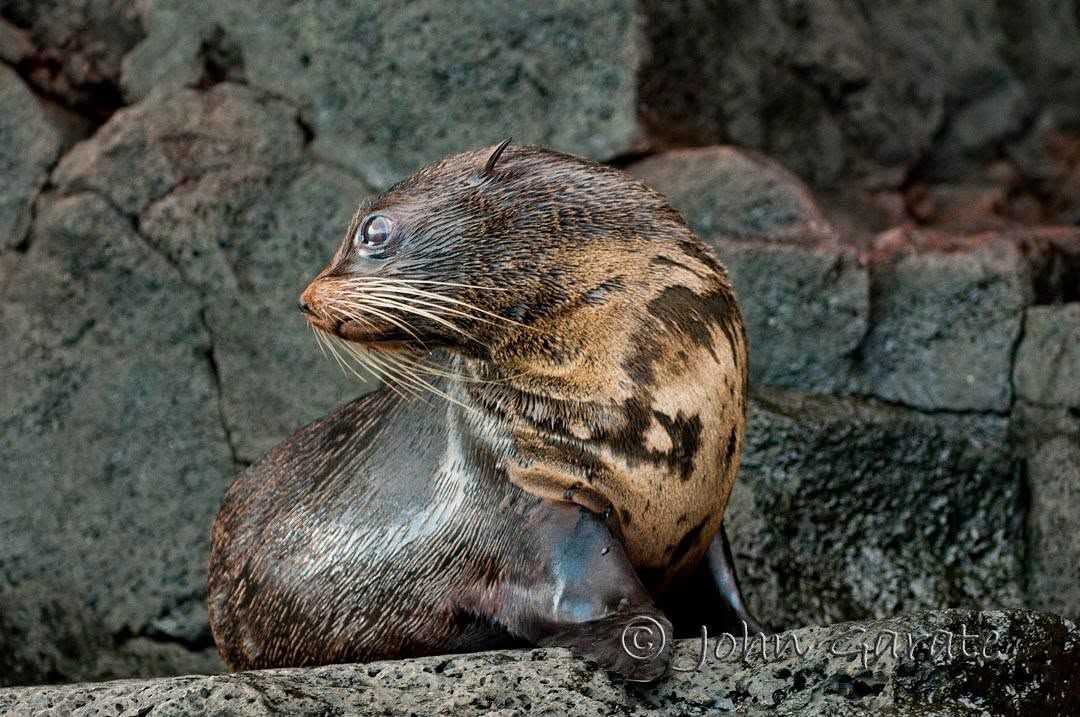
A sea lion asleep at the high-tide line, a marine iguana warming itself on black lava, a white-sand cove where the water shifts from turquoise to deep blue—the best beaches in the Galápagos are never simply places to spread out a towel. They are protected wildlife habitats, and that is exactly what makes them unforgettable.
For travelers staying on Santa Cruz Island, several exceptional beaches are easy to reach independently, while others are best experienced as part of a guided day trip or island-hopping itinerary. The right beach depends on how much time you have, whether you are traveling with children, and whether your ideal afternoon means swimming, snorkeling, walking, kayaking, or simply watching wildlife.
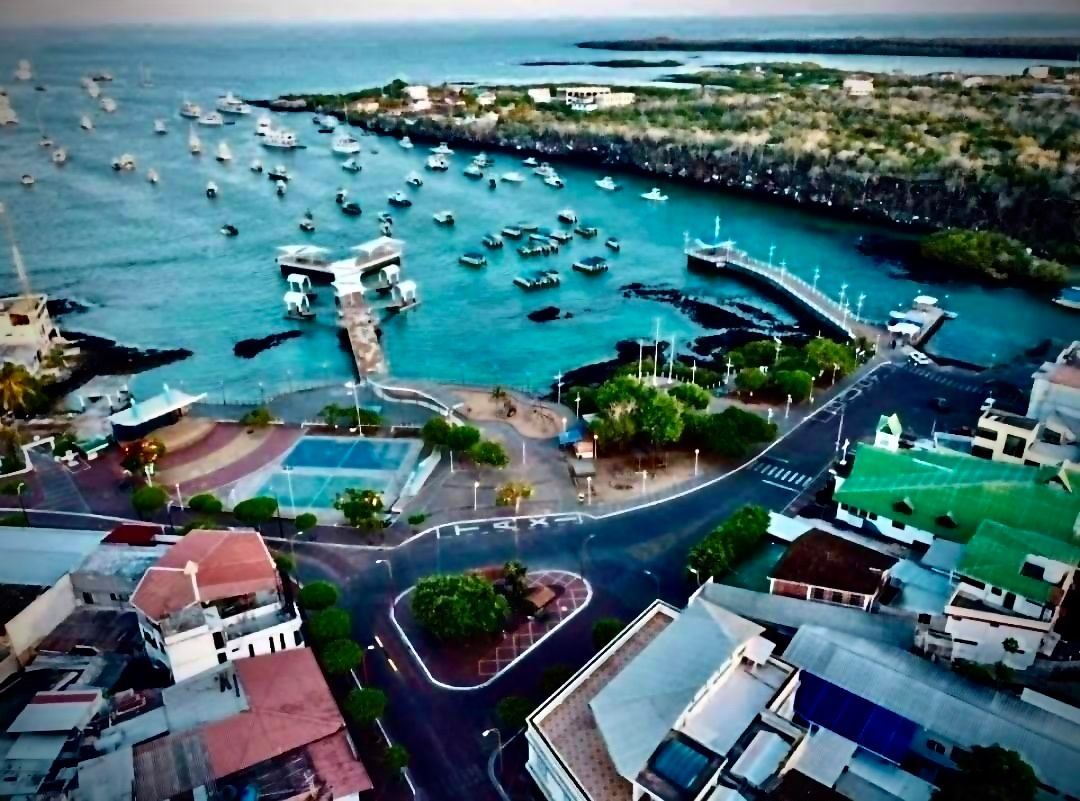
For guests staying in Puerto Ayora, a land-based Galápagos vacation offers the flexibility to combine beach days with wildlife excursions, highland adventures, and time to relax at your own pace.
8 Best Beaches in the Galápagos
1. Tortuga Bay, Santa Cruz
Tortuga Bay is one of the most famous beaches in the Galápagos—and for good reason. The walk from Puerto Ayora follows a paved trail through dry forest before opening onto a spectacular stretch of white sand, turquoise water, and volcanic landscapes.
The ocean-facing beach is beautiful but can have strong surf, making it less suitable for casual swimming, particularly for young children or less-confident swimmers. At the sheltered end of the bay, Playa Mansa offers calmer water and a more protected setting when conditions are suitable.
Tortuga Bay is also an excellent place to watch for marine iguanas, coastal birds, rays, and other wildlife. Visitors should remain on designated paths and give animals plenty of space.
The beach has limited facilities, so bring water, sun protection, and anything else you may need for several hours outdoors. Most importantly, take everything back with you when you leave.
2. Playa Mansa, Santa Cruz
Although Playa Mansa is part of the Tortuga Bay experience, it deserves special attention because its atmosphere is completely different from the exposed main beach.
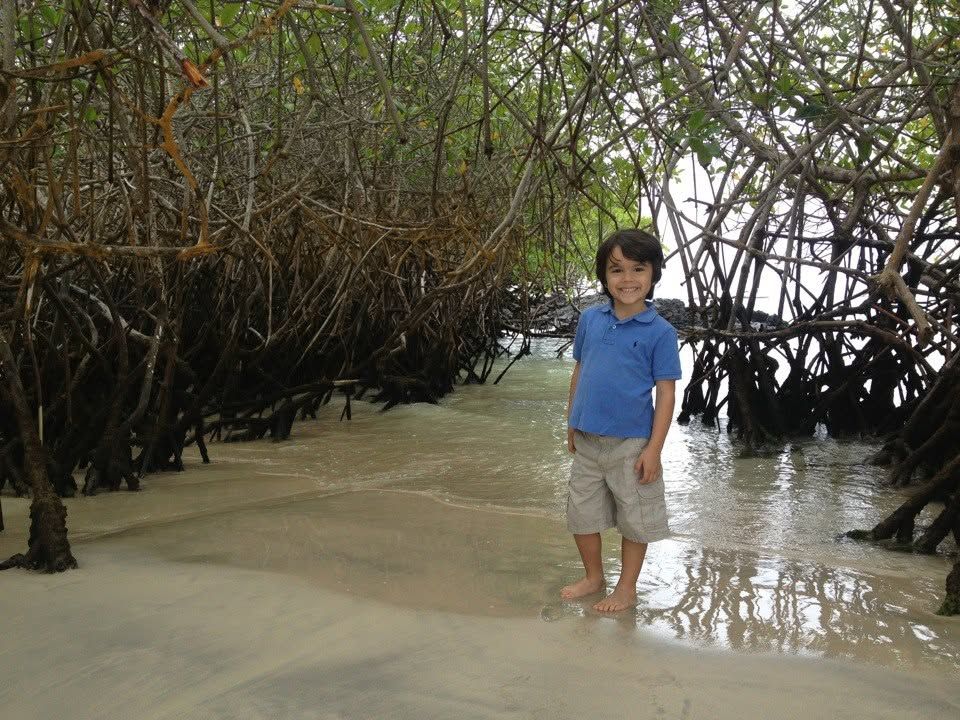
This sheltered area can be an excellent choice for swimming, relaxing, and kayaking when conditions are favorable. Mangroves line portions of the shoreline, creating habitat for marine life and coastal birds.
For families, Playa Mansa can be especially appealing because it offers a quieter alternative to the surf-facing beach. Travelers who want to spend more time in the water may also enjoy a Galápagos kayaking experience when conditions and permitted activities allow.
Go early when possible. The cooler temperatures, softer light, and quieter atmosphere can make the experience even more enjoyable.
3. Las Bachas, Santa Cruz
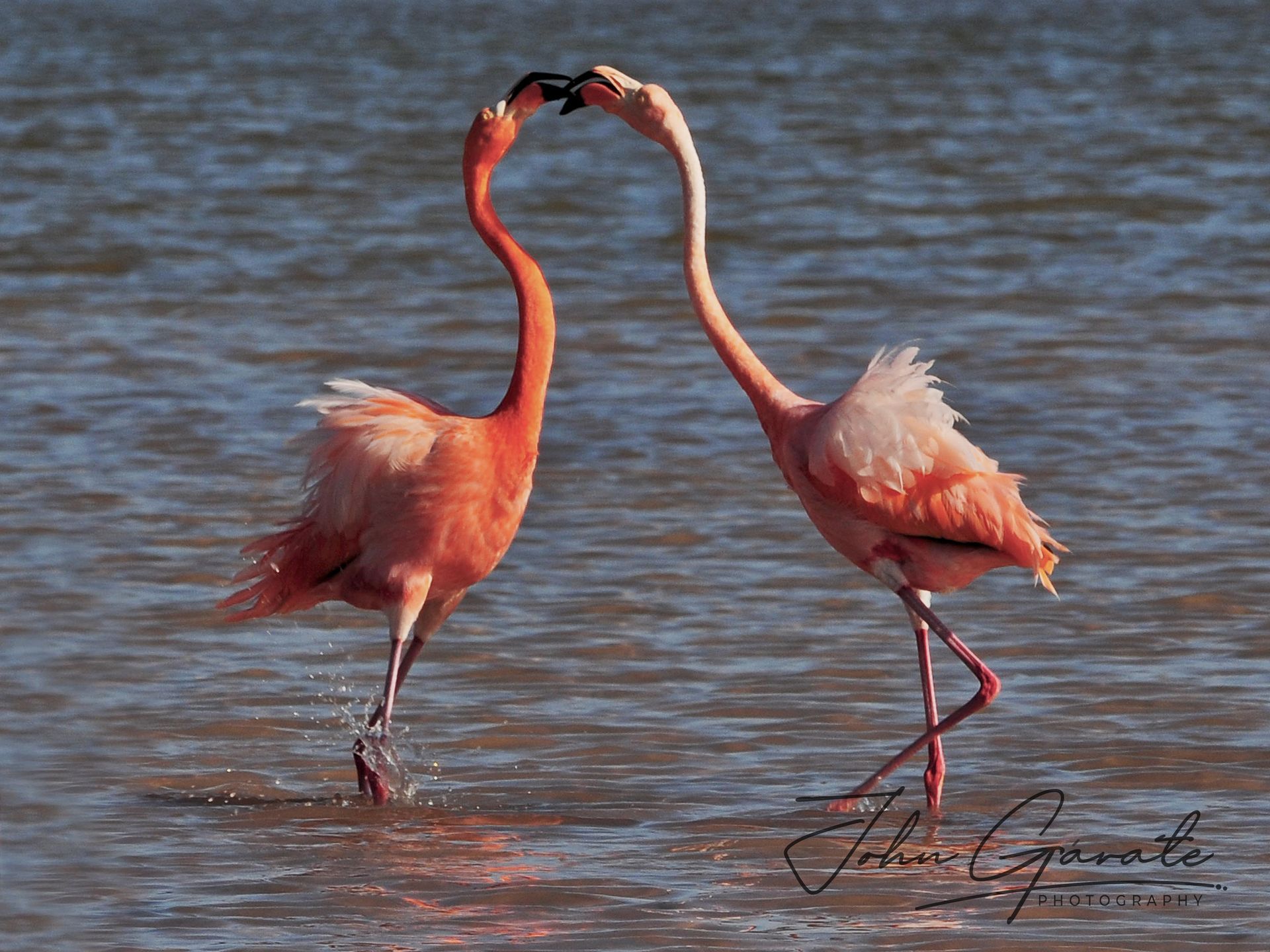
Located on the northern coast of Santa Cruz, Las Bachas is known for its pale sand, shallow lagoons, and coastal wildlife. Flamingos may sometimes be seen feeding in the lagoons, while sea turtles use portions of the beach for nesting.
The name is generally associated with abandoned World War II-era barges, whose English word “barges” was adapted locally into “bachas.”
Las Bachas is generally visited by boat rather than as an independent beach outing from Puerto Ayora. That makes it a good choice for travelers who want to combine beach scenery with a guided wildlife experience.
Walk carefully, stay within designated visitor areas, and maintain a respectful distance from wildlife. A flamingo or nesting turtle sighting is never guaranteed, but the possibility is part of what makes the beach special.
4. El Garrapatero, Santa Cruz
El Garrapatero offers a different kind of beach experience. Located farther from Puerto Ayora, it has a more relaxed, less urban atmosphere and can be ideal for travelers who want to slow down for an afternoon.
The beach features pale sand, coastal vegetation, and clear water that can be inviting for swimming when conditions are appropriate. A nearby lagoon may also attract birds.
Because services are limited, plan ahead. Arrange transportation before settling in and bring sufficient water, food, and sun protection.
El Garrapatero is particularly appealing after several busy days of tours and boat trips. Instead of trying to fit another major excursion into your schedule, you can simply enjoy the beach and allow the afternoon to unfold.
For more ideas on combining beaches with other experiences, explore Torre Mar's guide to the best Santa Cruz Island day trips.
5. Gardner Bay, Española Island
Gardner Bay on Española Island is one of the Galápagos' most beautiful white-sand beaches. The sweeping shoreline, clear water, volcanic scenery, and resident sea lions create an extraordinary setting.
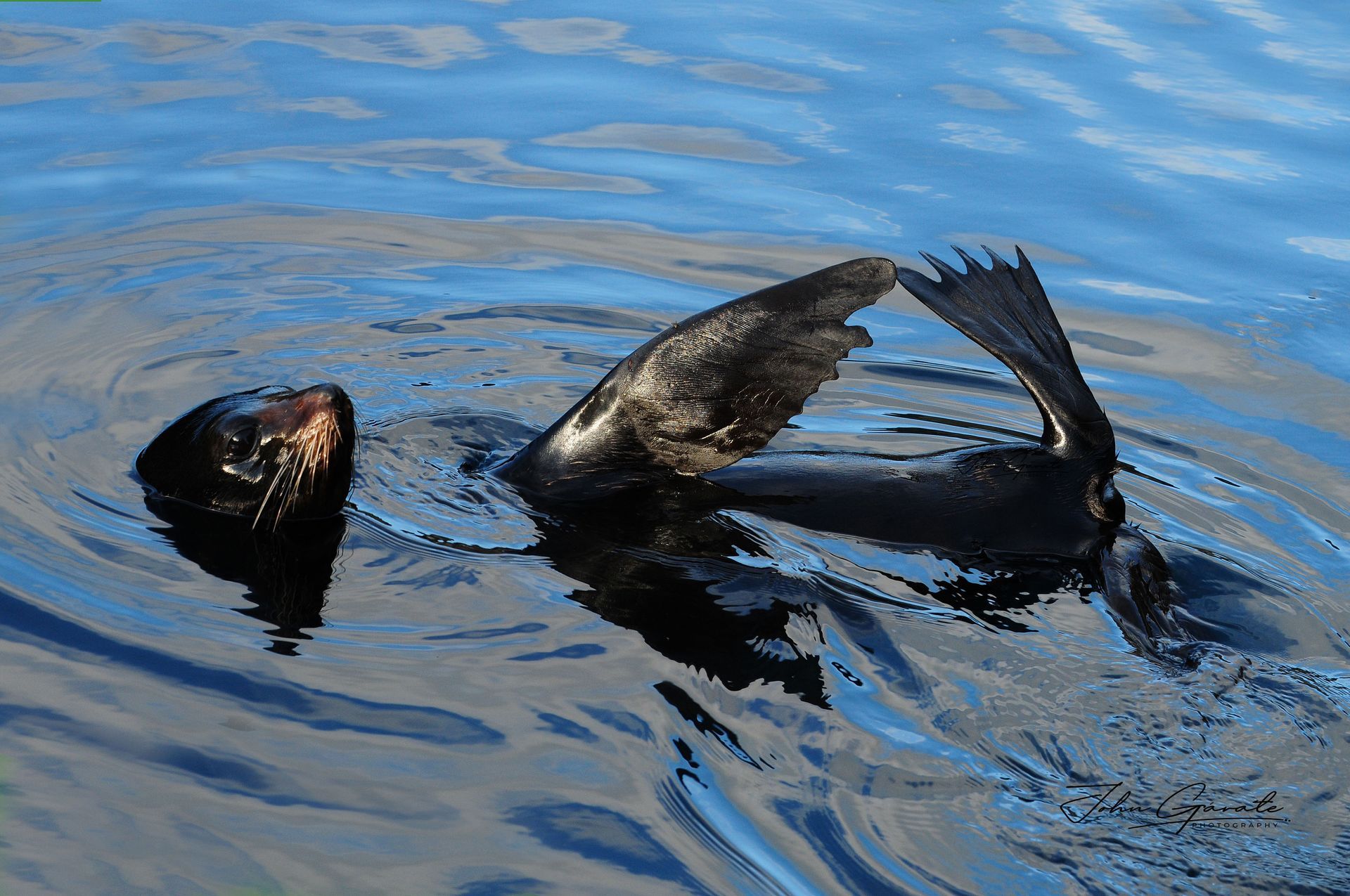
Sea lions may rest on the beach or enter the water around swimmers. Even when they appear comfortable around people, remember that they are wild animals. Never approach, touch, feed, or block their path.
Gardner Bay is generally experienced as part of a guided excursion to Española rather than an independent beach visit from Santa Cruz. The travel time and sea conditions make it better suited to travelers with enough time for a full excursion.
If you are deciding between a cruise and a land-based itinerary, Torre Mar's guide to Galápagos cruises versus land-based travel can help you understand the differences in flexibility, schedule, and island access.
6. Punta Cormorant, Floreana Island
Punta Cormorant on Floreana Island offers an unusual combination of color, geology, and wildlife. One beach has a distinctive greenish appearance associated with olivine crystals in the sand. A trail then leads toward another beach known for its fine, pale sand.
A lagoon along the route can attract flamingos and other birds, while the shoreline provides important nesting habitat for sea turtles.
The experience is less about spending an entire day swimming and more about appreciating the landscape and wildlife. A naturalist guide can add context to what you are seeing and help visitors follow current conservation and visitor guidelines.
Floreana is one of the quieter inhabited islands, making it particularly attractive to travelers looking beyond the most frequently visited destinations.
7. Puerto Chino, San Cristóbal
Puerto Chino is a scenic beach on San Cristóbal Island known for its clear water, volcanic landscape, and relatively peaceful atmosphere.
Reaching the beach involves a walk, so comfortable footwear and adequate water are important. When sea conditions are favorable, visitors may enjoy swimming or snorkeling, while sea lions and marine iguanas may be seen along the coast.
Puerto Chino is generally visited as part of a guided excursion rather than a simple beach trip from Santa Cruz. If you are planning to visit more than one island, build enough time into your itinerary rather than trying to squeeze too many destinations into a single day.
8. Playa Mann, San Cristóbal
For convenience, Playa Mann is difficult to beat. Located close to Puerto Baquerizo Moreno, it is an easy beach to visit between meals, excursions, or a late-afternoon walk.
Sea lions are frequent visitors, and the beach can be pleasant for swimming when conditions are suitable. Its proximity to town also makes it a practical choice for families and travelers who do not want to dedicate an entire day to reaching a remote beach.
Playa Mann has a more developed, social atmosphere than beaches such as Gardner Bay or Las Bachas. That is part of its appeal. You can enjoy a beautiful Galápagos beach without giving up easy access to restaurants, shops, and other town amenities.
How to Plan a Galápagos Beach Day From Santa Cruz
Santa Cruz is an excellent base for travelers who want to combine independent beach time with guided excursions. Staying in Puerto Ayora gives you access to Tortuga Bay and El Garrapatero while also making it easier to arrange excursions to other visitor sites and islands.
One advantage of a land-based itinerary is flexibility. You can spend the morning at the beach, return to your accommodation for lunch and a break, and head back out later—or simply decide that a quiet afternoon is exactly what everyone needs.
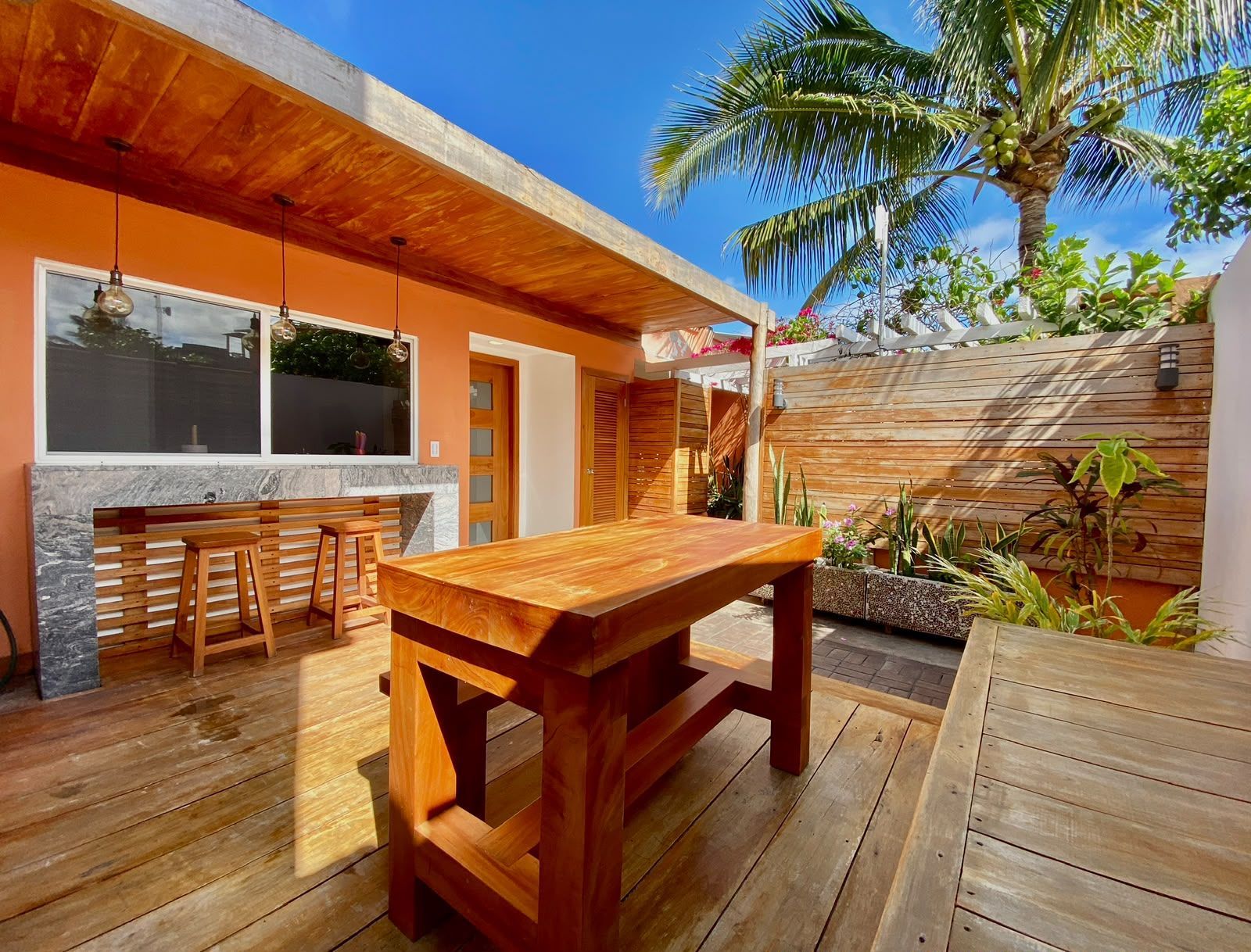
A comfortable accommodation can make that flexibility even easier. At Torre Mar Galápagos Boutique Suites, guests have access to spacious suites with kitchens, making it convenient to prepare breakfast before an early outing, keep snacks and drinks available, or return from the beach and enjoy a relaxed meal.
When choosing where to stay, location matters as much as amenities. Our guide to where to stay on Santa Cruz Island explains why Puerto Ayora works well as a home base for many land-based travelers.
Tips for Enjoying Galápagos Beaches Responsibly
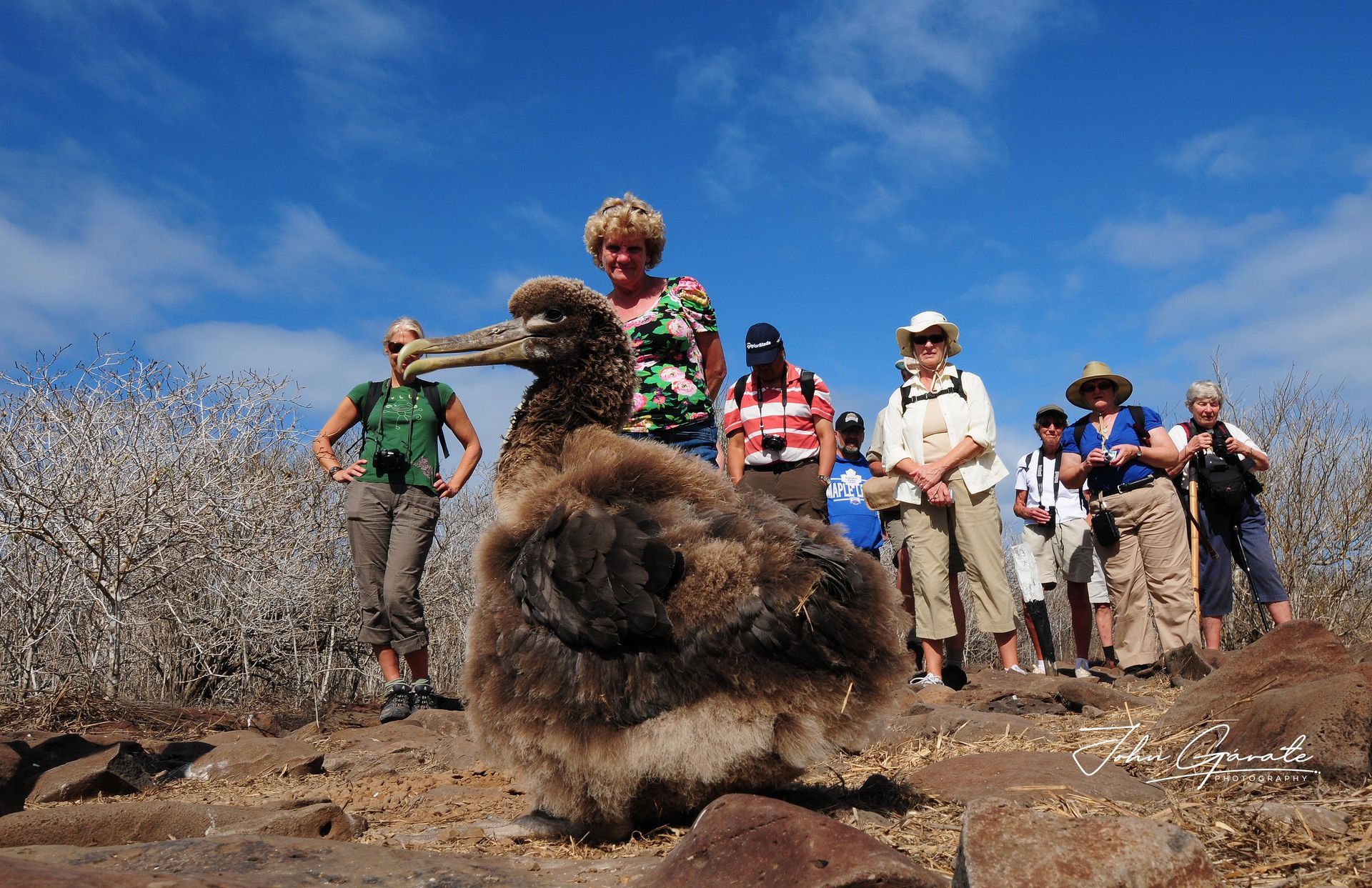
The beaches of the Galápagos are part of a protected ecosystem. Visitors have the privilege of experiencing wildlife unusually close to its natural habitat, but that privilege comes with responsibility.
Keep these simple principles in mind:
- Stay on marked trails and within designated visitor areas.
- Never feed, touch, chase, or deliberately approach wildlife.
- Maintain the distance recommended by your guide or park regulations.
- Carry reusable water bottles whenever possible.
- Take all trash with you.
- Avoid leaving food or scraps behind.
- Follow current National Park and visitor-site rules.
- Do not enter the water if conditions appear unsafe.
- Be prepared for changes in weather, tides, wind, or site access.
Sunscreen, hats, lightweight clothing, sunglasses, and plenty of water are essential for a day outdoors. A waterproof bag can also protect phones, cameras, and other valuables during boat trips or beach activities.
Which Galápagos Beach Is Right for You?
There is no single best beach in the Galápagos. The right choice depends on what you want from the day.
For easy access from Puerto Ayora: Tortuga Bay is a natural first choice.
For calmer water and kayaking: Playa Mansa can be ideal when conditions are suitable.
For a quieter Santa Cruz beach day: El Garrapatero is worth considering.
For white sand and wildlife: Gardner Bay is hard to beat.
For unusual landscapes: Punta Cormorant offers remarkable contrasts.
For convenience on San Cristóbal: Playa Mann is an easy option.
Families may prefer beaches with easier access and calmer conditions, while experienced travelers may enjoy planning a full-day excursion to a more remote visitor site.
The important thing is not to see every beach. It is to choose a few experiences that fit your family's energy, interests, and available time.
Let the Islands Set the Pace
The finest beach day in the Galápagos is rarely the one with the fullest itinerary. It might be the morning when a child discovers a marine iguana for the first time, the afternoon when a sea lion unexpectedly swims nearby, or the quiet hour when everyone simply sits on the sand and watches the waves.
Give yourself enough time to notice those moments.
For travelers planning a longer stay, Torre Mar Galápagos Boutique Suites offers a comfortable home base in Puerto Ayora, with spacious apartment-style accommodations and local knowledge to help you make the most of Santa Cruz and the surrounding islands.
The Galápagos has no shortage of spectacular beaches. The challenge is not finding somewhere beautiful. It is slowing down enough to truly experience it.