Choosing a Galapagos Hotel With Kitchen Access
Galapagos Hotel Suites with a Kitchen
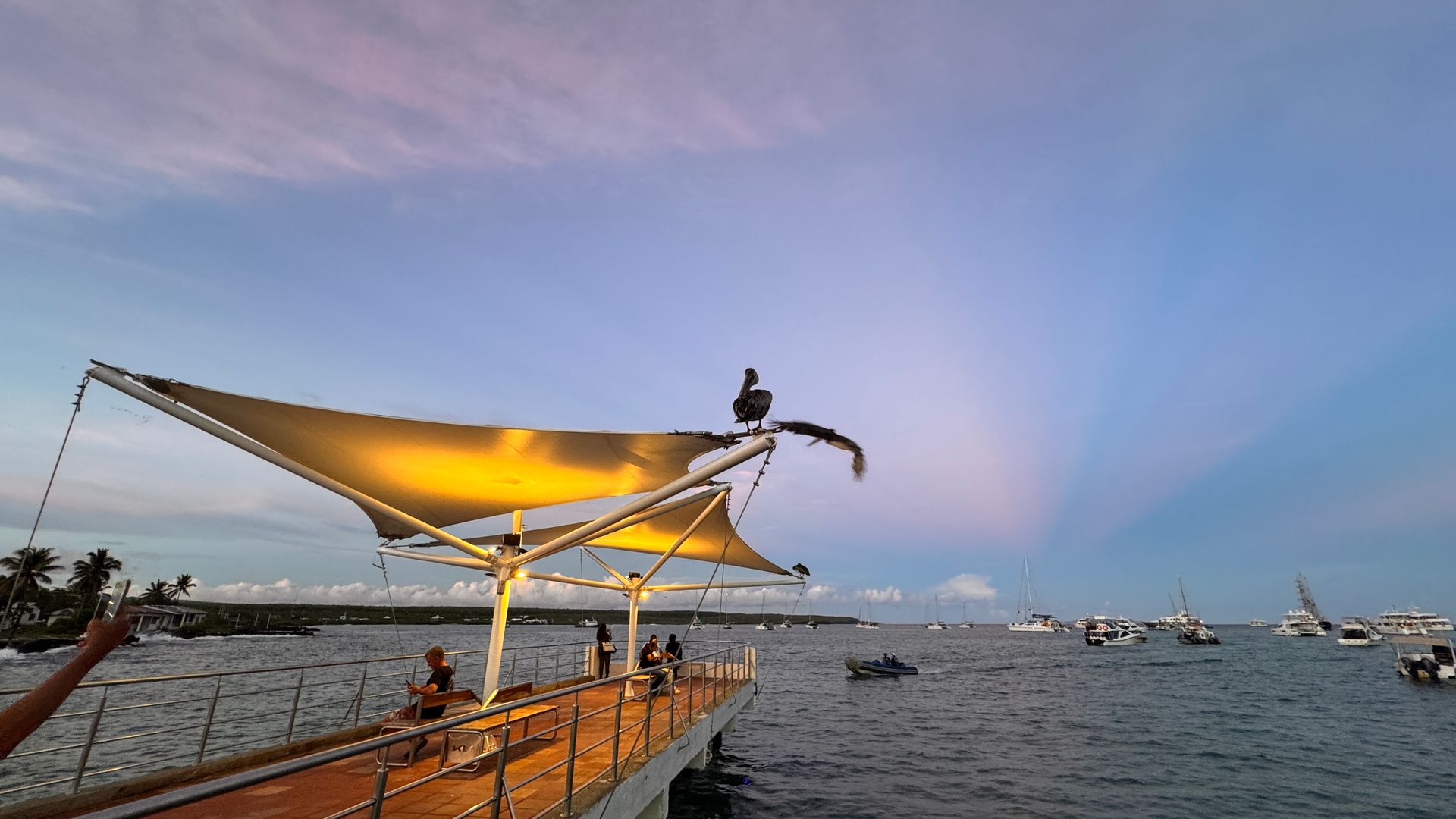
A late-afternoon return to Puerto Ayora often comes with sandy shoes, sun-warmed shoulders, and one practical question: where will dinner come from? A Galapagos hotel with kitchen access changes that moment. Instead of coordinating another reservation or settling for a snack, you can rinse fruit, make a simple meal, fill water bottles for tomorrow, and let the day wind down at your own pace.
For many visitors, a kitchen is not about cooking every meal on vacation. It is about having choices. It gives families a familiar rhythm, helps couples enjoy an unhurried evening in, and makes independent island travel feel less like a logistical puzzle. In a destination where ferry times, wildlife outings, and beach days shape the schedule, a comfortable place to prepare food can be one of the most useful amenities you book.
Why a Galapagos Hotel With Kitchen Space Feels Different
The Galapagos rewards travelers who leave room in their plans. A morning may begin with a tour, a walk to the fish market, or an early ferry departure. By afternoon, you may want a quiet hour before heading back out for dinner, or you may prefer to stay close to home altogether. A kitchen creates room for both kinds of days.
It is especially valuable after a travel day. Getting from the airport, crossing the island, checking in, and settling into a new place can take more energy than expected. Having coffee, breakfast basics, and a few easy foods on hand means you can arrive without immediately needing to figure out a restaurant plan.
For families, the benefit is even more tangible. Children may be hungry long before the usual dinner hour. A familiar breakfast can make an early excursion easier. Parents can prepare snacks, wash reusable bottles, and keep a few dependable foods available without turning every meal into an outing. Multigenerational groups often appreciate this flexibility too, particularly when not everyone wants the same schedule or portion size.
A kitchen also supports the quieter parts of a memorable trip. It might be the place where you slice pineapple after a day at Tortuga Bay, make tea before bed, or share a casual breakfast on the balcony before the island wakes up. Those small routines can make a faraway journey feel more settled.
Look Beyond the Word “Kitchen”
Not every kitchen setup offers the same freedom. Some accommodations use the word to describe a compact counter with a mini-fridge and a microwave. That may be perfectly sufficient for travelers who only want cold drinks and light breakfasts. But if you expect to prepare meals, accommodate children, or spend several nights in one place, look more closely at what is actually available.
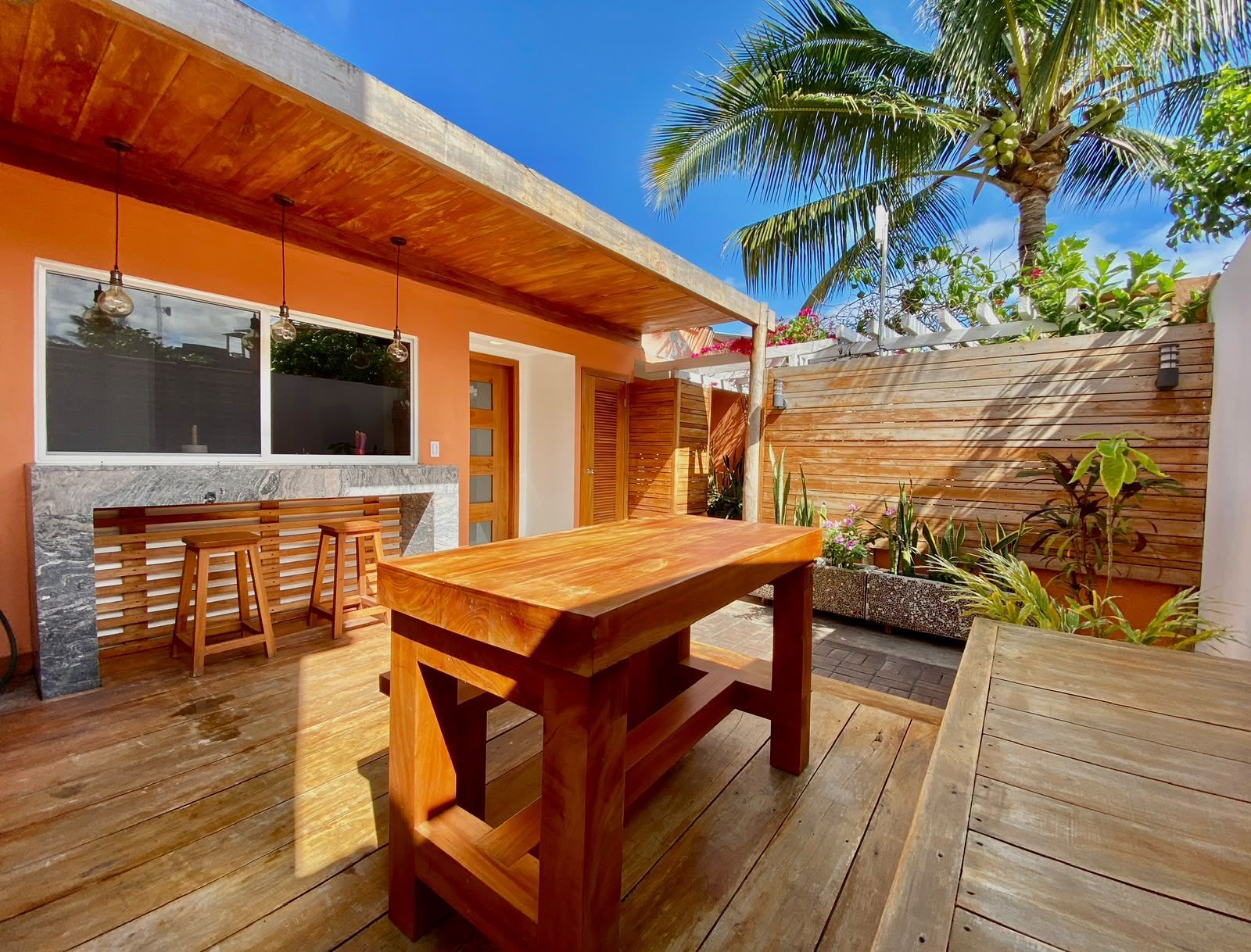
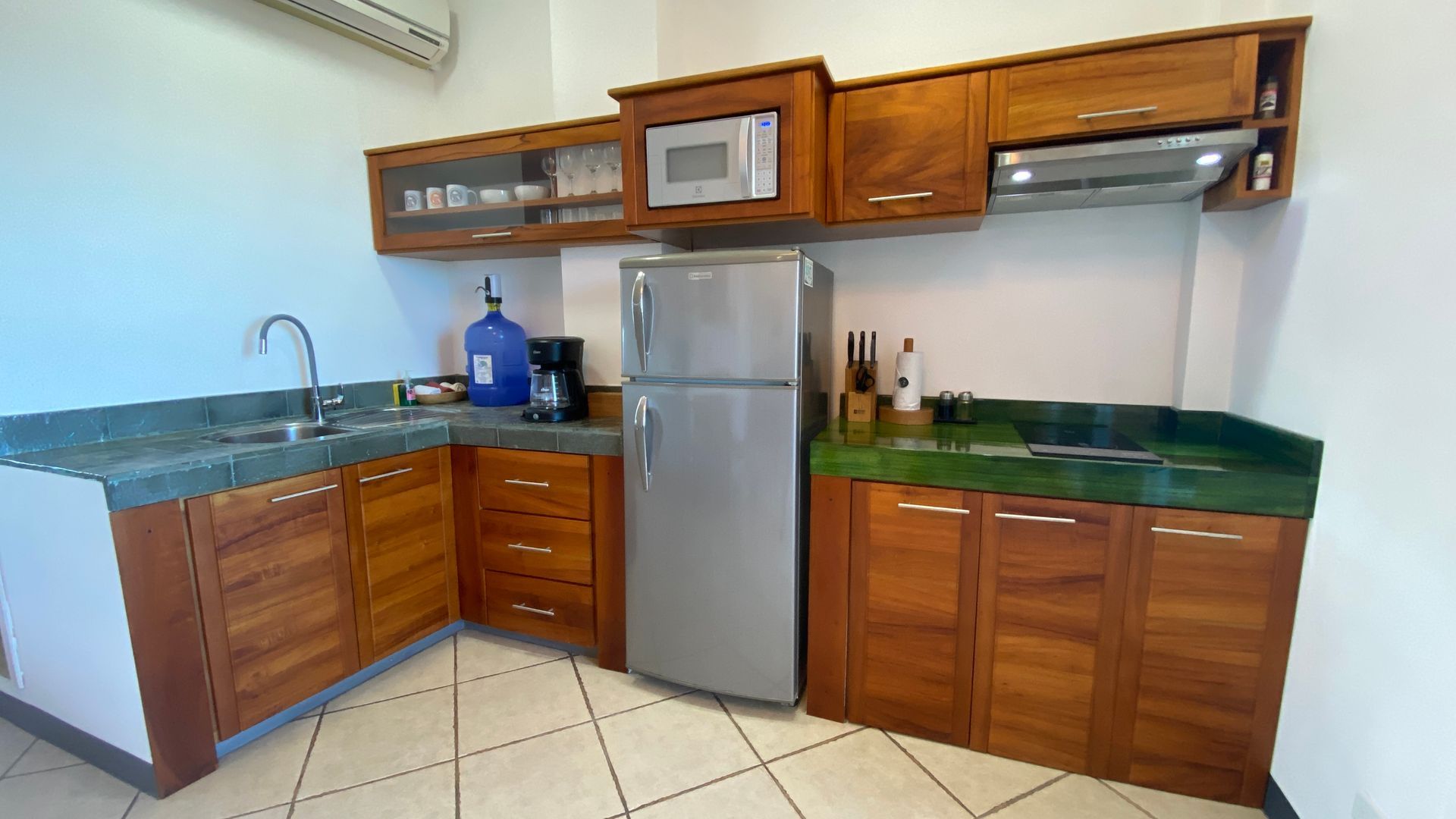
A full kitchen generally makes the biggest difference because it allows for ordinary, useful cooking: a refrigerator for groceries, a stovetop, cookware, dishes, utensils, and enough counter space to work comfortably. A dining table or outdoor seating area also matters more than it first appears. It turns a quick meal into a relaxed part of the day rather than a balancing act with takeout containers.
Ask about the details that fit your travel style. If coffee is essential, find out how it is prepared. If you are traveling with a baby or young children, ask whether the suite can support food storage and simple meal prep. If someone in your group has allergies or dietary needs, confirm that you will have the tools and space to manage them safely.
Fresh drinking water is another thoughtful feature to look for. Refillable bottles are useful on island excursions, and a freshwater dispenser can reduce the need to buy and carry single-use plastic bottles. It is a small convenience that becomes noticeable over several active days.
Choose a Suite Layout That Supports Your Group
The right kitchen is only one part of a comfortable stay. How the suite is arranged will shape whether everyone can rest well between adventures. A couple may be happiest in a studio or one-bedroom suite with a private kitchen and a balcony for slow mornings. A family may value a separate bedroom so that adults can enjoy the living area after children are asleep. Friends traveling together often appreciate two bedrooms, more than one bathroom, and a shared space where no one has to perch on a bed to eat breakfast.
For larger groups, a multi-bedroom suite or villa can be a particularly sensible choice. Sharing one larger home-style space lets everyone gather for coffee, snacks, and trip planning while still having privacy when the day is done. It can also feel more personal than splitting across several standard hotel rooms.
There is a trade-off worth considering. A larger suite with a kitchen may cost more upfront than a basic room, especially during busy travel periods. Yet the value can be real when it replaces a portion of restaurant meals, gives the group more usable space, and prevents the friction that comes from coordinating every small need outside the room. The best choice depends on your group size, length of stay, and how much independence you want.
Keep Island Cooking Simple and Enjoyable
The goal is not to recreate your kitchen at home. Island travel is better when meals stay easy. Plan for breakfasts, picnic supplies, and a few relaxed dinners rather than trying to cook elaborate dishes every night.
Puerto Ayora offers opportunities to shop for fruit, bread, eggs, yogurt, pantry basics, and local ingredients. Fish may be available through local markets and sellers, but availability can vary, so it helps to keep expectations flexible. A simple meal of fresh fruit, eggs, rice, vegetables, or fish can be just right after a full day outdoors.
For your first grocery stop, think in terms of the next 24 to 48 hours. Buy breakfast foods, snacks for outings, something simple for dinner, and drinks you will actually use. This approach prevents waste and saves you from carrying heavy bags when you are still learning the town. A host who knows the area can often point you toward convenient shopping options and help you understand what is easiest to find.
Do leave room for local restaurants. Puerto Ayora is part of the experience, and eating out can be a wonderful way to enjoy the town. A kitchen is not a reason to skip that. It simply means you can choose a restaurant because it sounds appealing, not because it is your only option when everyone is tired.
A Kitchen Helps With Galapagos Logistics, Too
Independent land-based travel has a wonderful sense of freedom, but it comes with moving parts. Ferry departures can be early. Day tours may start before cafes open. Sea crossings can leave some travelers wanting a very plain, familiar meal afterward. Keeping crackers, fruit, tea, electrolyte packets, or easy breakfast foods in your suite can make those transitions gentler.
The same is true for laundry and packing. A suite that feels residential gives you a place to air out beachwear, organize day bags, and reset for the next island. When household supplies and laundry-oriented amenities are available, you can pack lighter and avoid treating every wet towel or sandy shirt like a travel emergency.
This is where personal guidance matters as much as the room itself. A thoughtful host can help with airport-transfer arrangements, ferry-ticket questions, activity timing, and practical recommendations that do not always appear in a generic itinerary. At Torre Mar Galapagos Boutique Suites, the aim is to pair that local support with suites that give guests room to live comfortably, not simply sleep between tours.
Questions to Ask Before You Reserve
Before choosing a kitchen-equipped stay, make sure the setup matches the way you travel. Ask whether the kitchen is private to your suite or shared, and whether it includes a refrigerator, stovetop, cookware, and dishes. If photos are available, look for real workspace rather than only a beverage station.
It also helps to ask how close the accommodation is to grocery shopping and whether pre-arrival shopping can be arranged. If you land late, arrive with children, or have a tightly timed first excursion, a few groceries already waiting can make the first evening feel much easier.
Finally, consider the human side of the stay. In the Galapagos, clear local advice can be as valuable as an extra amenity. Choose a place where you feel comfortable asking about ferry schedules, restaurants, beach conditions, and the practical details that shape each day.
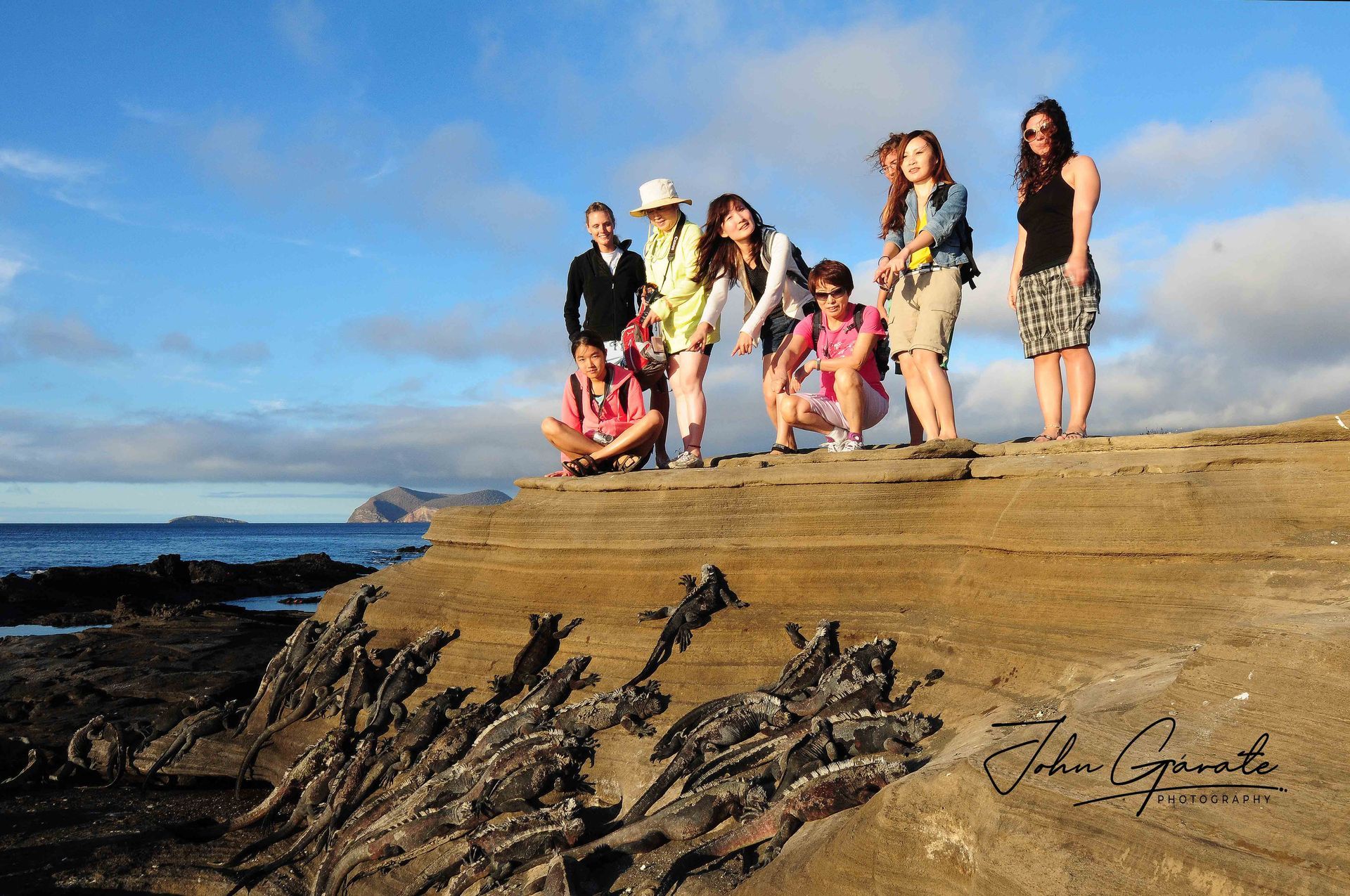
A kitchen will not replace the thrill of seeing a marine iguana on the shore or the pleasure of a meal in town. What it can offer is a place to return to after those moments: somewhere to make a cup of coffee, share the day’s stories, and feel, for a little while, that the islands are not just a stop on your itinerary but a place to belong.