What to Pack for Galapagos Without Overpacking
What to Pack for Galapagos Without Overpacking
The first time you step off a boat onto a sun-warmed beach, you may be carrying a daypack, a camera, and more sunscreen than you thought possible. That is the rhythm of the islands: part beach day, part wildlife walk, part boat ride, and often all three before lunch. Knowing what to pack for Galapagos means preparing for those changing moments without bringing a suitcase full of things you will never use.
The good news is that land-based travel is wonderfully relaxed. You do not need formal resort wear or specialized expedition gear. You do need lightweight layers, sun protection that you will actually wear, comfortable shoes, and a few practical items that make ferry days and island outings easier. Pack for movement, salt air, warm afternoons, and the pleasure of returning to a comfortable place that feels like home.
What to Pack for Galapagos by Season and Itinerary
The Galápagos has two broad weather patterns, but every island and outing can feel a little different. From roughly December through May, conditions are generally warmer, sunnier, and more humid, with occasional tropical rain. From June through November, the air can feel cooler, especially on boats and in the highlands, and misty weather is more common.
Your itinerary matters just as much as the month. A traveler spending most days on Santa Cruz beaches, snorkeling trips, and town walks can pack lighter than someone adding highland hikes, multiple inter-island ferries, or day tours to uninhabited islands. Check the activities you have planned, then build a small wardrobe around pieces that can be worn more than once.
A medium suitcase or soft-sided travel bag is usually easier to manage than a large hard-shell case. Flights within Ecuador and inter-island transfers may have baggage limits, while ferries can involve carrying bags over docks or loading them into covered storage. Keep medications, swimwear, a change of clothes, sunglasses, and important documents in your personal item in case checked luggage is delayed.
Clothing That Works From Boat to Dinner
Bring clothing that dries quickly and feels comfortable in heat. Lightweight T-shirts or breathable long-sleeve shirts are useful, and long sleeves are often more comfortable than repeatedly applying sunscreen to your shoulders and arms. Two or three pairs of shorts, one or two lightweight pants, and a casual dress or easy evening outfit are plenty for most stays.
For cooler boat rides, air-conditioned transportation, and highland visits, add a light fleece, thin sweater, or packable windbreaker. A rain jacket is useful during wetter months and still worth considering year-round if you plan to hike. Choose one that folds small rather than a heavy coat. The islands are casual, so there is little reason to pack dress shoes, formal clothing, or anything that needs special care.
Swimwear deserves a little extra thought. Bring at least two suits so one can dry while you wear the other. A lightweight cover-up or quick-dry shirt is helpful for moving between the beach, a boat, and town. If you are sensitive to sun or plan to snorkel often, a long-sleeve rash guard is one of the most useful items you can bring.
For a typical week, these are the clothing essentials that earn their space in your bag:
- Two swimsuits and a rash guard or sun shirt
- Four to six breathable tops, including one or two long-sleeve options
- Two or three pairs of shorts plus one lightweight pair of pants
- A light layer for boats, evenings, and highland weather
- A packable rain jacket or windbreaker
- Comfortable sleepwear, undergarments, and a hat with a secure brim
Laundry access can change how much you need. Apartment-style stays such as Torre Mar Galapagos Boutique Suites make it easier to rinse a few items and travel with less, especially for families and longer island-hopping trips.
Choose Footwear for Uneven Paths and Wet Landings
Most visitors are happiest with three pairs of shoes: supportive walking shoes or trail sneakers, sandals with secure straps, and casual shoes for town. Closed-toe walking shoes are best for volcanic trails, highland visits, and longer nature walks. They do not need to be heavy hiking boots unless you already rely on boots for ankle support.
Avoid bringing brand-new shoes. Lava rock, sandy paths, and long walks can expose a hot spot quickly. Wear your walking shoes before your trip, and pack a few blister bandages just in case. Flip-flops are convenient around a suite or pool, but they are not ideal for wet landings or walking on rocky ground. Water shoes can be helpful for some snorkeling and beach outings, although many travelers find strap sandals sufficient.
Sun, Water, and Motion-Sickness Essentials
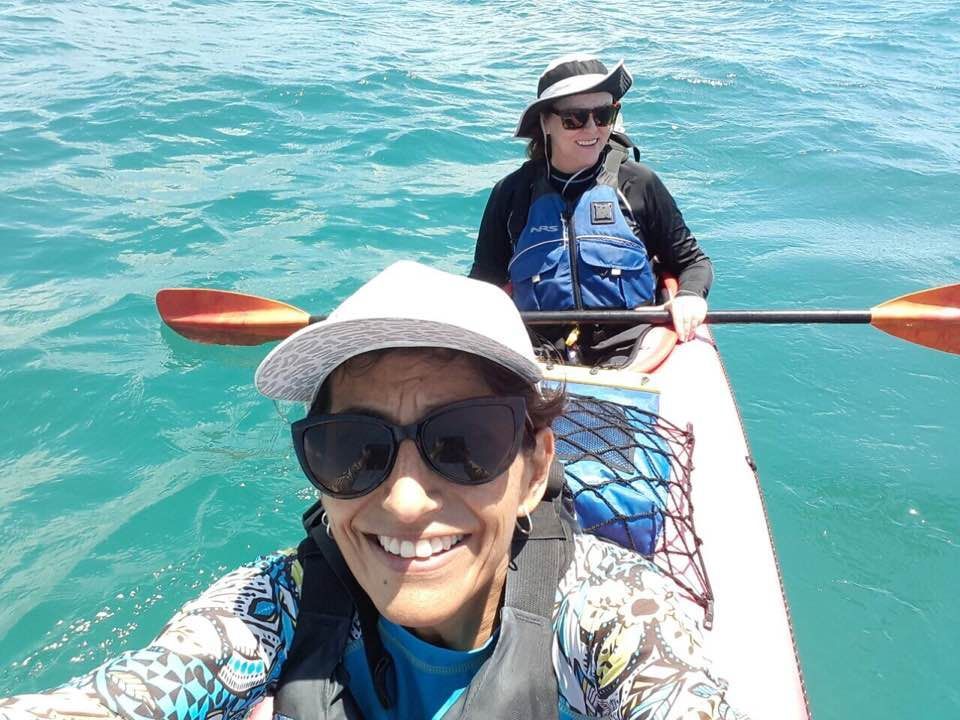
The equatorial sun is the item most visitors underestimate. Even on cloudy days, UV exposure can be intense. Pack reef-conscious sunscreen, a wide-brimmed hat or baseball cap with a neck cover, polarized sunglasses, and a small after-sun lotion or aloe gel. Apply sunscreen before leaving, then carry it in your daypack for reapplication.
A reusable water bottle is equally practical. Days can be active, and staying hydrated makes a real difference during walks and boat excursions. Many travelers also appreciate electrolyte packets, particularly after flights, snorkeling, or long sunny afternoons.
If you are unsure how you handle boats, bring motion-sickness medication from home and take it according to its directions before a ferry or full-day excursion. Even experienced boat travelers can find inter-island crossings choppy at times. Ginger chews, acupressure bands, and a light snack can help, but medication is often the more dependable option for people prone to seasickness.
Your daypack should be small enough to carry comfortably but large enough for water, sunscreen, a layer, phone, and camera. A dry bag or waterproof pouch is especially useful for boat days. It protects electronics and travel documents from sea spray, sudden rain, or a damp towel sharing space with everything else.
Bring the Documents and Tech You Cannot Replace
Ecuador uses the U.S. dollar, which makes cash planning simpler for American travelers. Carry a mix of small bills for taxis, tips, small purchases, and situations where card readers are unavailable. Keep cash divided between your wallet and a secure bag rather than storing it all in one place.
Bring your passport, travel insurance details, flight information, reservations, and a photo or digital backup of important documents. A portable battery pack is valuable on long day trips, when your phone becomes your camera, map, booking record, and way to stay in touch. An underwater camera or waterproof phone case can be worthwhile if snorkeling is a highlight, but do not let photography replace the joy of watching wildlife quietly.
Pack medications in their original containers, along with a small personal first-aid kit. Include pain relievers, antihistamines, stomach remedies, bandages, and any prescriptions you may need for a few extra days. Pharmacies are available, but familiar brands and specific prescription medications are easier to have with you.
A Few Extras for Families and Longer Stays
Families often benefit from a little planning rather than a great deal more luggage. Bring familiar snacks for travel days, a refillable bottle for each person, sun hats that children will keep on, and a compact activity for ferry rides. Older children may enjoy binoculars, a nature journal, or a simple waterproof camera.
For longer stays, pack a reusable tote for groceries and beach supplies, a few laundry pods or detergent sheets if you have preferences, and a small foldable bag for souvenirs. Keep in mind that the islands have strict environmental protections. Arrive with clean shoes and gear, avoid bringing items that could carry seeds or soil, and leave shells, rocks, plants, and wildlife exactly where they belong.
What You Can Leave at Home
The most common packing mistake is preparing for every imaginable occasion. You can skip heavy jeans, multiple pairs of dress shoes, bulky beach towels, excessive jewelry, and large bottles of toiletries. Beach towels, practical household supplies, and space to spread out can be part of the comfort of choosing a well-equipped suite.
You also do not need camouflage clothing, drones, or anything that could disturb wildlife. The Galápagos is extraordinary because its natural systems are carefully protected. Traveling lightly and thoughtfully is part of respecting the place you came to see.
Pack for the days you want to have: salty hair after snorkeling, dusty shoes after a trail, a cool layer for the ride back, and easy clothes for a relaxed dinner in Puerto Ayora. The best bag is not the fullest one. It is the one that leaves you ready to say yes when the next island adventure begins.