Galapagos Land Based Tours at Your Own Pace
Plan Galapagos land based tours
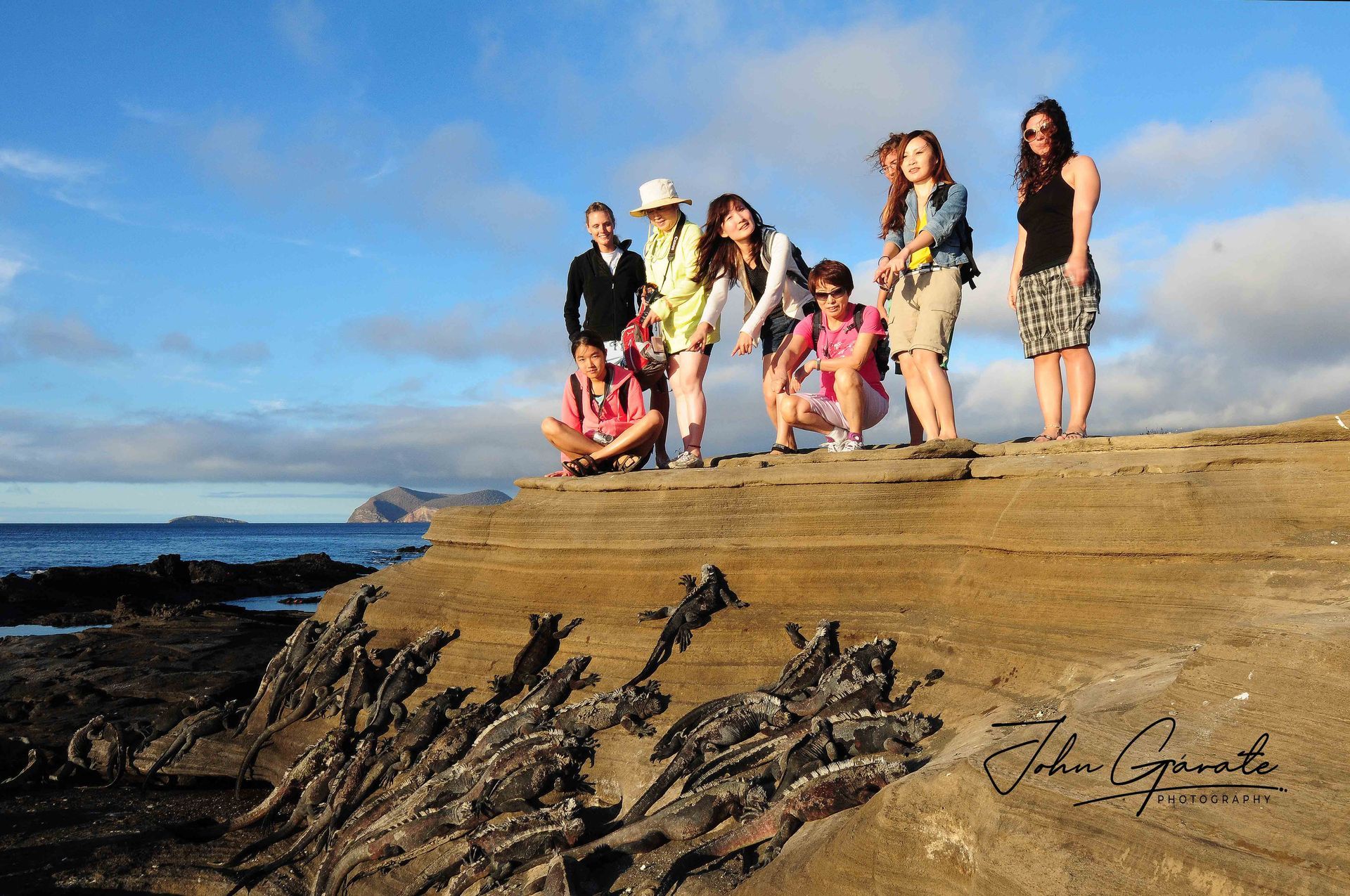
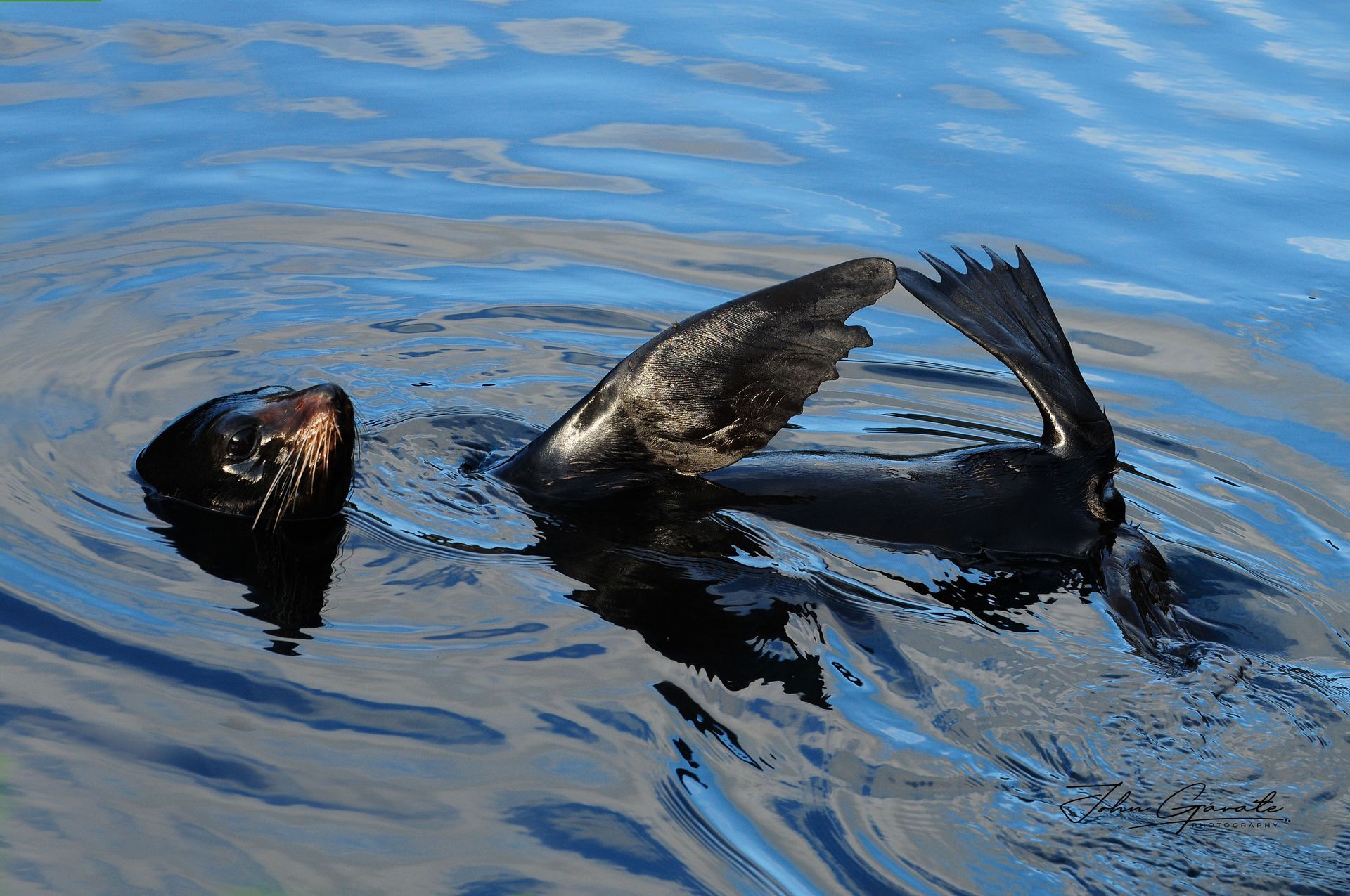
The blue-footed booby does not care whether you arrived by cruise ship or ferry. The sea lions will still nap across the path, marine iguanas will still warm themselves on black lava, and a quiet beach may still become the favorite memory of your trip. Galapagos land based tours simply give you more say in how you meet those moments: when you head out, where you eat afterward, and whether the afternoon calls for another adventure or a nap in air-conditioned comfort.
For many travelers, especially families, couples, and groups traveling at different speeds, that freedom is the point. Rather than sleeping aboard a boat and following a fixed sailing itinerary, you stay on an inhabited island and combine guided day trips with time to enjoy the local town, beaches, restaurants, and your own private space.
What Are Galapagos Land-Based Tours?
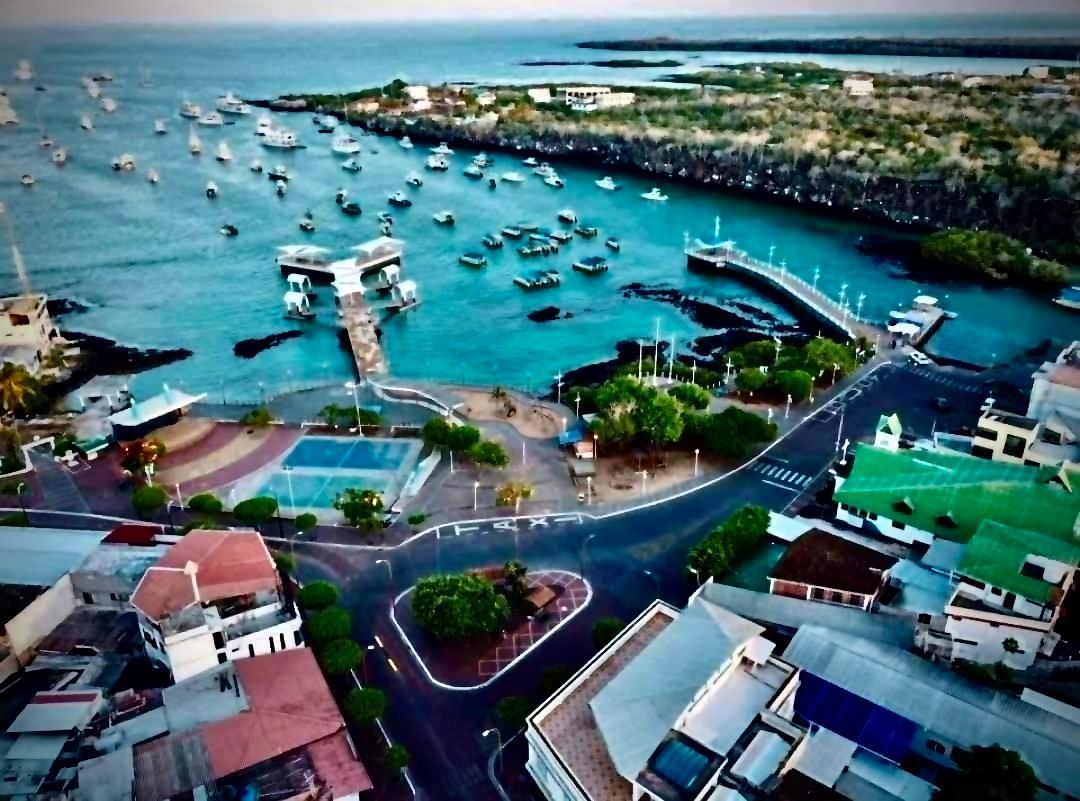
A land-based Galapagos trip uses a hotel, suite, villa, or guesthouse as your home base. From there, you can explore nearby visitor sites on foot, by taxi, by day boat, or by inter-island ferry. Santa Cruz is often a natural starting point because Puerto Ayora has the largest selection of services, restaurants, tour departures, and ferry connections.
This style of travel is not a lesser version of a cruise. It is a different rhythm. You may spend one morning snorkeling with sea turtles, return for lunch and a shower, then walk to the waterfront for sunset. You can build in a slower morning after an early flight, leave room for a child who needs downtime, or decide that an excellent beach day deserves to remain a beach day.
A well-planned stay can combine independent exploration with guided experiences. The balance depends on your confidence, interests, dates, and budget. Some visitors prefer a full schedule of day tours; others choose two or three standout excursions and leave open space for the unexpected.
Why a Land-Based Stay Works So Well
The Galapagos asks travelers to pay attention. A land-based itinerary can make that easier because you are not rushing from one cabin briefing to the next. You have a familiar place to return to, a kitchen for a simple breakfast, and the option to enjoy island life beyond organized activities.
More flexibility for real travel days
Flights, ferries, weather, and energy levels are part of any island journey. Staying on land offers useful breathing room when plans change. If a ferry leaves early, you can arrange breakfast around it. If a day boat returns later than expected, you have a comfortable home base instead of needing to make a meal or sleeping arrangement work on the move.
That flexibility matters even more for multigenerational trips. Grandparents may want a scenic walk and a long lunch while teenagers are eager to snorkel. A couple may want a guided wildlife excursion one day and a relaxed dinner another. Land-based travel gives everyone more choices without splitting the group into completely separate vacations.
Space to settle in
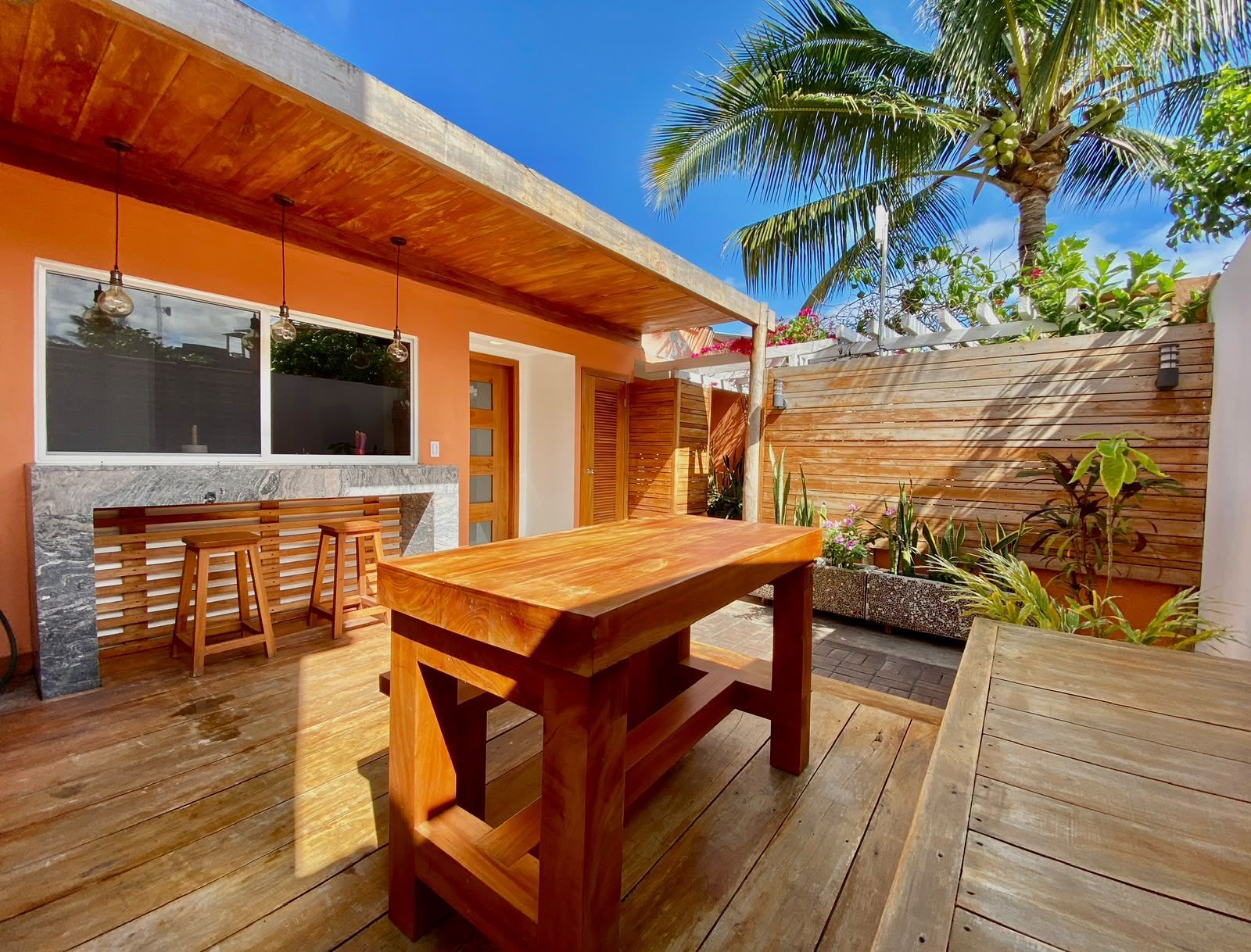
Cruises are efficient for reaching remote visitor sites, but cabins can feel close after several days, particularly with children or luggage for a longer Ecuador trip. Apartment-style hotel accommodations offer a different kind of comfort: separate bedrooms, living space, full kitchens, freshwater dispensers, and practical supplies for laundry and everyday routines.
The goal is not to stay indoors in a destination as extraordinary as the Galapagos. It is to have a place that feels like home after a day in the sun, salt water, and volcanic terrain. A little room to spread out can make a great trip feel far less tiring.
A stronger connection to island life
When you stay in town, you become part of the daily pulse of the island. You might buy fruit for the next morning, choose a small local restaurant, watch fishing boats return to the harbor, or take an evening stroll when the day-trippers have gone back to their hotels.
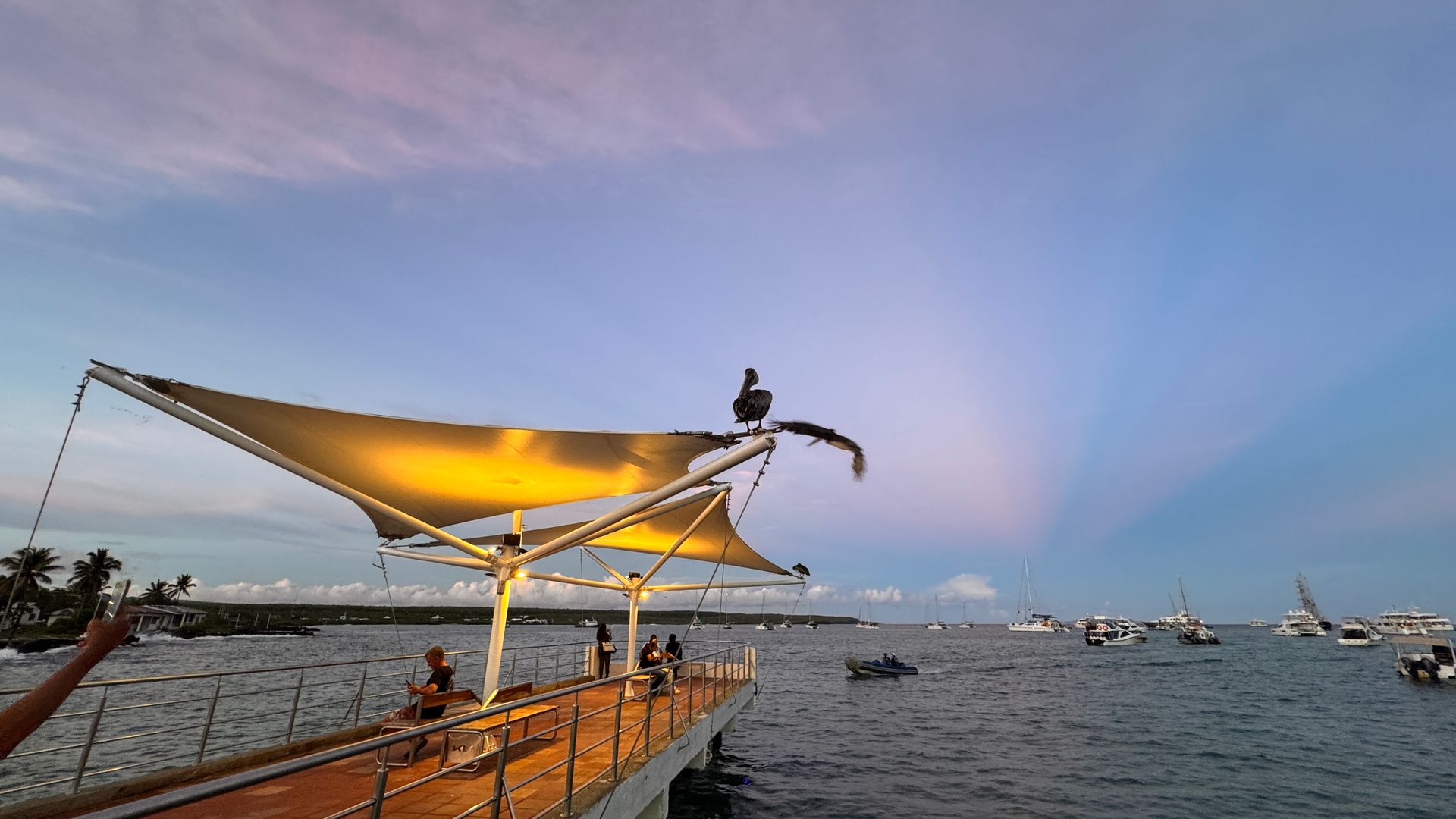
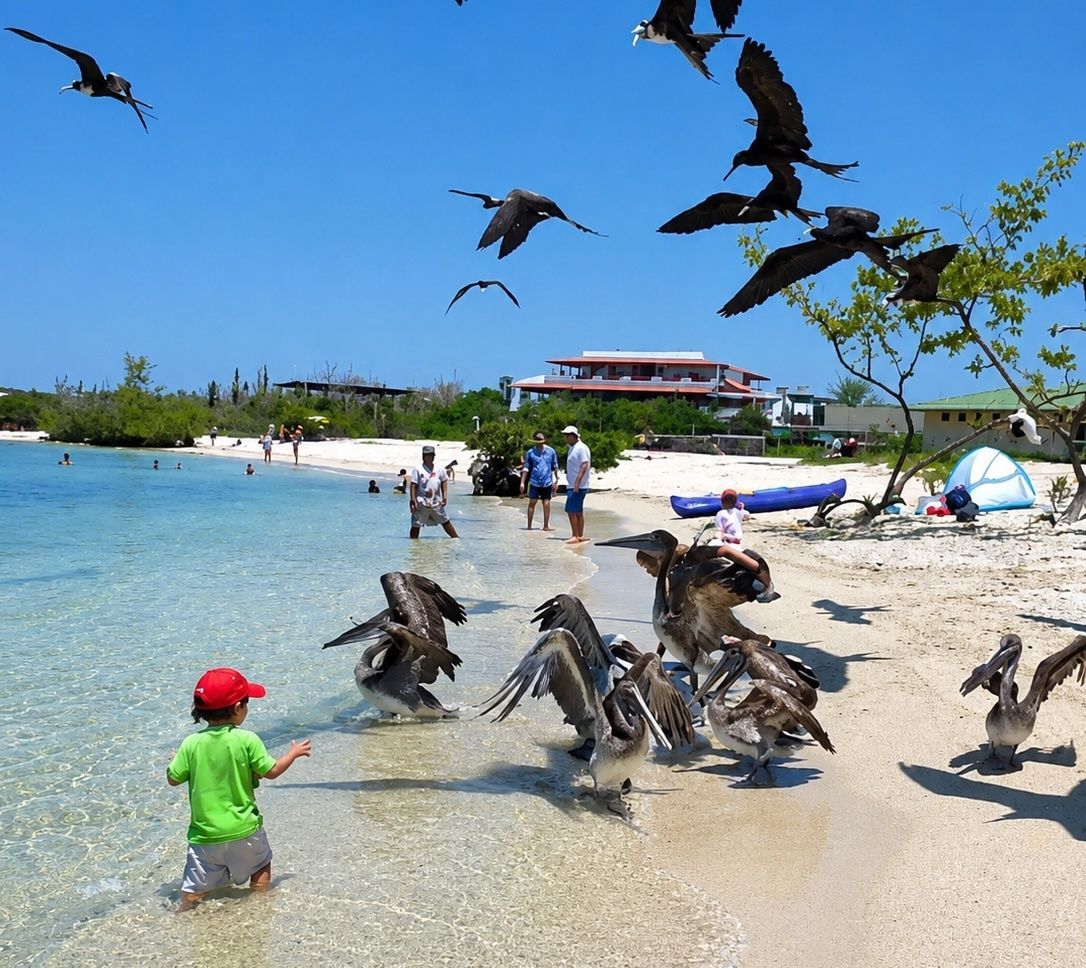
That connection is especially meaningful in Puerto Ayora. It gives travelers access to everyday conveniences while keeping wildlife surprisingly close. Sea lions, pelicans, reef fish, and marine iguanas are not reserved for tour days here. They may appear during a simple walk along the water.
How to Build a Smart Land-Based Itinerary
The best Galapagos itinerary is rarely the one with every hour filled. It is the one that pairs a few memorable guided experiences with enough unscheduled time to enjoy them.
Begin by choosing your base island or islands. Santa Cruz works well for first-time visitors because it is connected to Baltra Airport, offers many excursions, and makes it possible to visit sites such as the Charles Darwin Research Station, Tortuga Bay, the Santa Cruz highlands, and nearby snorkeling locations. Travelers with more time may add San Cristobal or Isabela, each with its own character and wildlife opportunities.
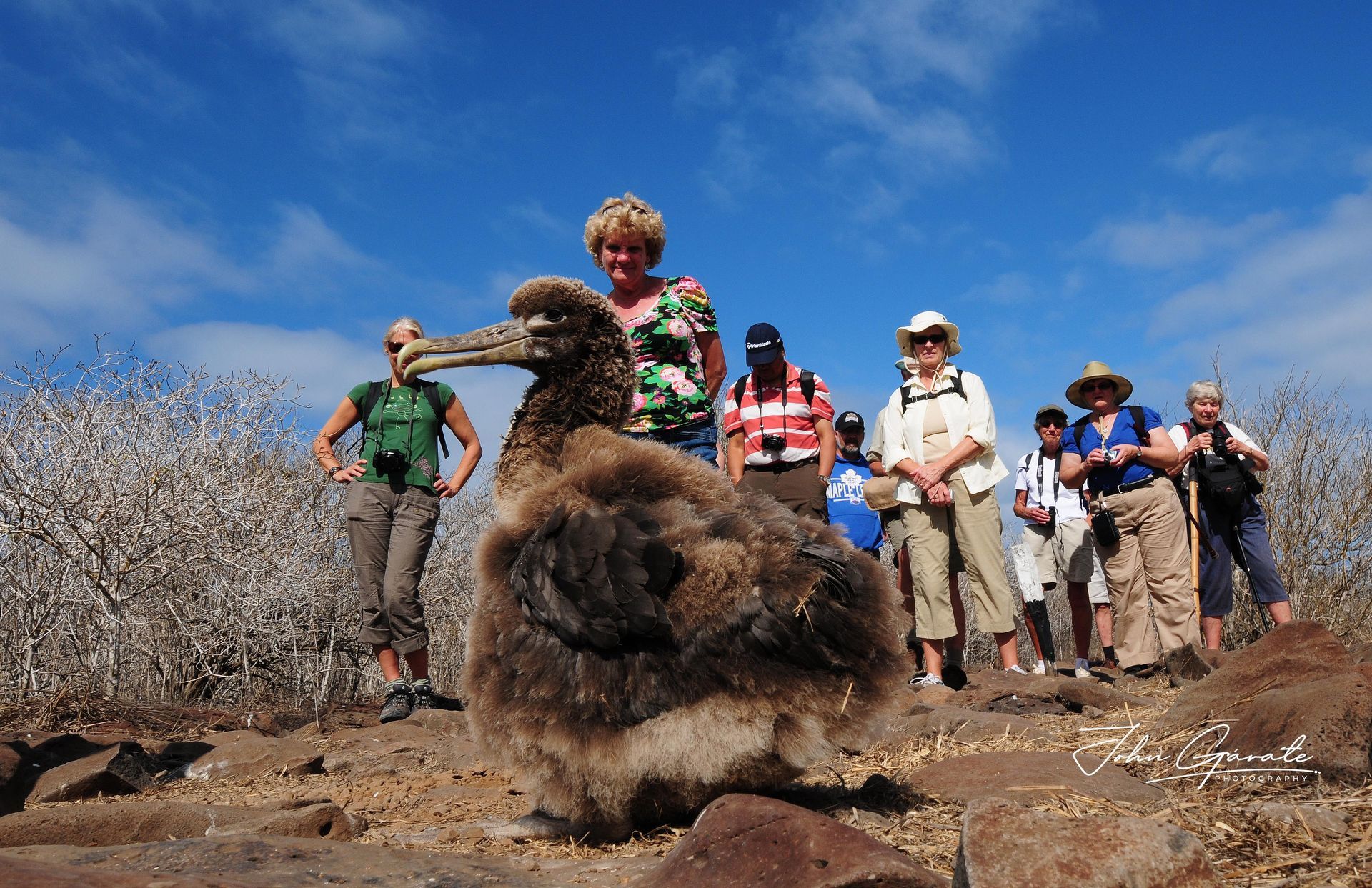
Then decide which experiences need a guide. A guided day boat can be worthwhile for reaching more distant visitor sites and snorkeling areas. Naturalist guides add context that changes what you see - the behavior behind a frigatebird’s display, the story of a lava formation, or why visitor rules protect a nesting area. Meanwhile, places close to town can often be enjoyed independently, at your own pace.
Avoid booking every day before you arrive if your schedule allows for flexibility. Popular tours can sell out during busy seasons, so key excursions deserve advance planning. But leaving a little room can be a gift. A recommendation from a trusted local host, a clear-weather morning, or a favorite beach can shape the best day of the trip.
What to Expect From Day Tours and Ferries
Day tours are rewarding, but they are real boat days. Conditions can be bumpy, departure times can be early, and return times may shift with weather and sea conditions. Bring sun protection, a reusable water bottle, motion-sickness remedies if needed, and clothing that can handle spray and swimming. If someone in your group is sensitive to rough water, discuss the route and boat size before booking.
Inter-island ferries are useful, but they are transportation rather than sightseeing cruises. The ride can be choppy, and luggage procedures, taxi connections, and pier timing require some attention. This is where local planning support can take pressure off. Help with ferry tickets, airport transfers, pre-arrival groceries, and activity choices lets you focus on being present once you arrive.
For a Santa Cruz stay, Torre Mar Galapagos Boutique Suites can be that kind of practical, personal base: a place to return to with sandy shoes, good stories, and someone nearby who understands the details of getting around the islands.
Is Land-Based Travel Right for You?
Land-based travel is a strong choice for visitors who value comfort, flexibility, and time ashore. It is particularly well suited to families, friend groups, independent travelers, and anyone who wants to mix wildlife adventures with restaurants, beach time, and a more relaxed evening routine.
A liveaboard may be the better fit if your highest priority is reaching remote islands that are difficult to visit on day tours. It can also appeal to travelers who enjoy being on the water every day and prefer an itinerary arranged from the moment they board. There is no single correct way to see the Galapagos. The right choice comes down to the places you hope to reach and the way you want your days to feel.
For many guests, the sweetest version of a Galapagos trip is not a race to collect sightings. It is waking up rested, heading out with curiosity, and coming home to a place where the day can end slowly. Leave room for that, and the islands have a wonderful way of meeting you there.