Puerto Ayora Family Accommodation That Fits
What Families Need From a Stay in Puerto Ayora

A Galapagos family trip rarely runs on a perfect schedule. Someone wakes up hungry before an early boat departure. A child needs a quiet hour after the beach. Your little one needs a crib. Grandparents may want a comfortable place to recharge while the rest of the group heads out for a snorkel. The right Puerto Ayora family accommodation makes room for all of that - not just a place to sleep between excursions.
For families, choosing where to stay on Santa Cruz is often as important as choosing which islands to visit. Puerto Ayora is an excellent base for land-based exploration, but the days can be active, the sun is strong, and travel logistics require a little thought. A home-like suite gives everyone a place to return to, settle in, and enjoy the island at their own pace.
What Families Need From a Stay in Puerto Ayora
A standard hotel room can work for one night. For several days of ferry rides, wildlife outings, sandy shoes, wet swimsuits, and changing appetites, it can begin to feel very small. Families tend to be happiest with a little breathing room: separate sleeping areas when possible, space to share a meal, and the practical comforts that keep everyday routines from becoming a project.
A full kitchen matters more than many travelers expect. It allows you to prepare an early breakfast before an activity, keep cold drinks and fresh fruit on hand, or make an easy dinner after a long day outdoors. It also gives families flexibility. You do not need to take every meal at a restaurant simply because everyone is tired, hungry, or on a different schedule.
Freshwater dispensers, air conditioning, dependable WiFi, beach towels, and laundry-oriented household supplies may sound like small details. On an island trip, they add up. They help parents pack less, help children stay comfortable, and help the whole group spend more attention on the experiences they came for.
Puerto Ayora Family Accommodation Should Match Your Group
There is no single best layout for every family. The best choice depends on the ages of your travelers, how much privacy everyone needs, and whether your trip includes another couple, adult children, or grandparents.
A one-bedroom suite or courtyard studio can be a lovely fit for parents traveling with one young child, particularly when the family plans to spend most days out exploring. Couples with a teenager may prefer a duplex or a larger suite where everyone has a little more separation at the end of the day.
For families with older children, two-bedroom suites can change the feel of the trip. Parents are not whispering after bedtime, siblings do not have to share every inch of space, and mornings can begin without everyone competing for the same corner of the room. The same is true for multigenerational travel. A larger suite, penthouse, four-bedroom accommodation, or villa can keep a group together without making anyone feel crowded.
The trade-off is simple: a larger layout usually costs more than a conventional room, but it can reduce the need to reserve multiple rooms and makes shared time far easier. For many families, especially those staying several nights, that value is felt every morning and evening.
Choose togetherness without giving up downtime
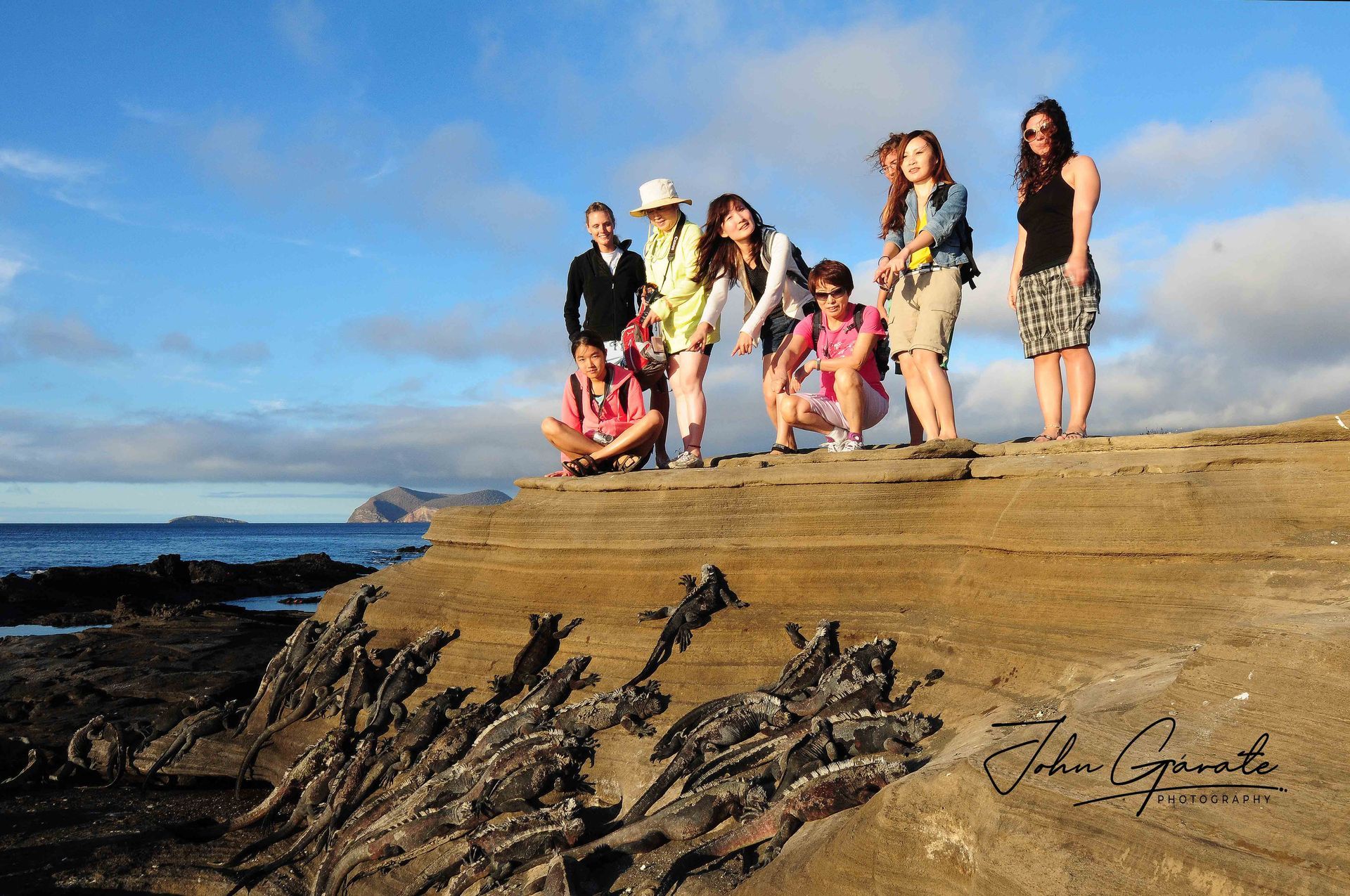
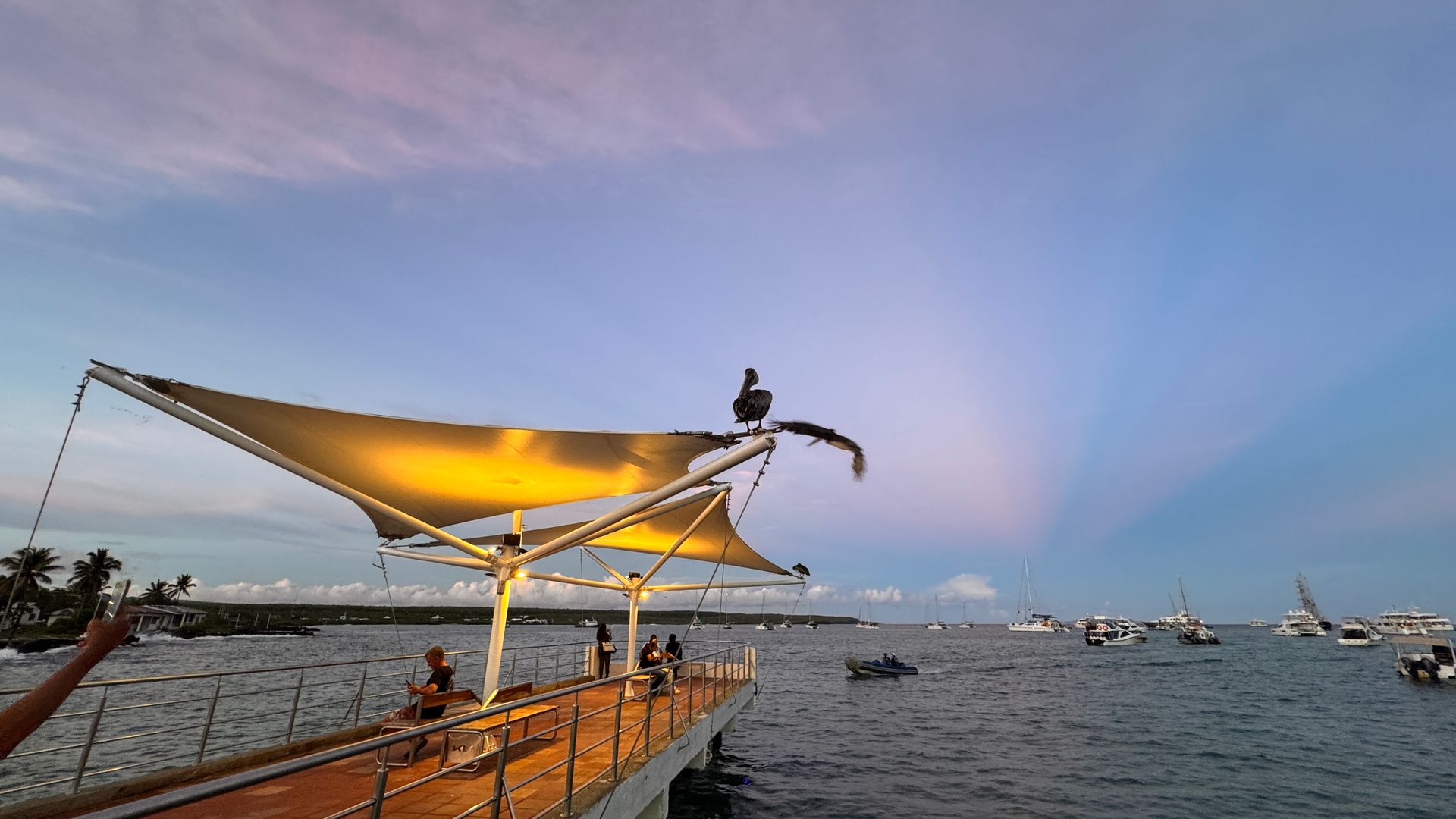
The Galapagos creates the kind of memories families want to share: spotting a sea lion from a dock, watching a marine iguana warm itself on volcanic rock, or returning from a day trip with stories no one can tell quickly. Yet togetherness works best when each person has a chance to rest.
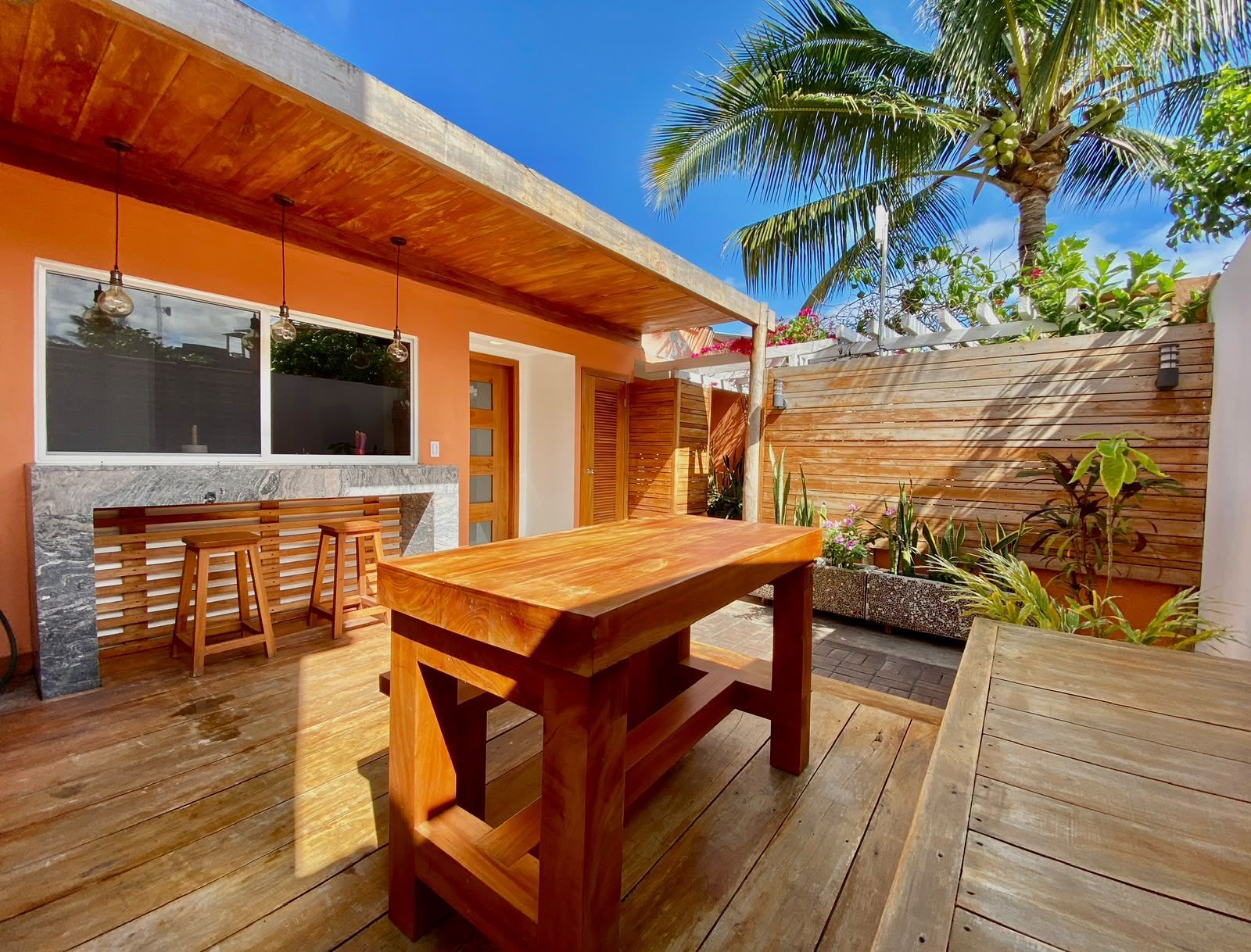
Look for accommodations with a real living area or outdoor space, not only beds. A balcony can become a peaceful place for coffee before the day begins. A courtyard gives children and adults a change of scene. A kitchen table becomes the spot for reviewing photos, laying out tomorrow's swim gear, and deciding whether the group needs an early night.
Why a Land-Based Stay Works Well for Families
Cruises offer a structured way to see the islands, but they are not the best fit for every family. Cabin sizes are limited, schedules are fixed, and there is less freedom to decide that today should be slower. A land-based stay in Puerto Ayora gives families a more independent rhythm.
You can combine guided adventures with open time. One day might include a boat excursion, while the next includes a relaxed walk, a visit to the fish market, browsing local shops, or time at a nearby beach. If a child is tired, a family member feels seasick, or the weather shifts your plans, you have a comfortable base rather than a tiny cabin to retreat to.
Puerto Ayora also sits at the center of many Santa Cruz experiences and is a practical point for onward island travel. That convenience is meaningful when traveling with children or several generations. Fewer unnecessary transitions mean more energy for the moments that matter.
Local Help Is Part of a Comfortable Family Trip
The Galapagos can feel wonderfully remote, but that also means details deserve attention. Ferries operate on schedules. Airport transfers need to be coordinated. Activities have departure times, packing considerations, and varying levels of physical effort. Families should not have to figure it all out alone after arriving.
Host-led guidance can make the difference between a trip that feels rushed and one that feels cared for. Helpful local support might include arranging airport-transfer assistance, helping with ferry tickets, suggesting family-appropriate activities, or sharing a realistic view of what a day will involve. The right recommendation is not always the most ambitious one. Sometimes it is the excursion with the least complicated departure, the beach with easier access, or the restaurant that works well after a long travel day.
At Torre Mar Galapagos Boutique Suites, that personal attention is part of the stay. Guests have the independence of an apartment-style suite, along with people nearby who understand the practical side of island travel and want families to feel at ease from arrival onward.
Plan for the pace, not just the itinerary
When comparing accommodations, consider how the property supports the spaces between activities. Can you store snacks? Is there room for damp beach gear? Can one person take a nap while another reads or answers messages? Is there a comfortable place to regroup before dinner?
These questions may not appear on a tour itinerary, but they shape how a family remembers the trip. A carefully planned wildlife outing is wonderful. Returning afterward to a place that feels calm, clean, and easy is what lets everyone enjoy it fully.
A Few Details Worth Confirming Before You Book
Before selecting your suite, ask about bed configurations, kitchen equipment, air conditioning, access between levels, and what is included for beach days. If anyone in your group has mobility concerns, confirm the layout and stairs rather than assuming every suite is the same.
It is also wise to share your arrival and departure plans early. A family arriving after a long flight and transfer has different needs from a couple arriving with one small bag. Pre-arrival grocery shopping, specialty breakfasts, and transfer support can be especially helpful when children are hungry or when an early ferry is waiting the next morning.
Finally, think honestly about your travel style. A compact studio may be perfect if your family loves being out from dawn to dinner. If you picture leisurely breakfasts, shared cooking, and several quiet afternoons, more space will likely be worth it.
The best family stays do more than hold your luggage. They give every generation a place to belong between adventures - a comfortable corner to rest, a table to gather around, and a warm welcome that helps the Galapagos feel less complicated and more like the extraordinary family time you hoped for.