10 Can't-Miss Wildlife Encounters in the Galápagos
10 Can’t-Miss Wildlife Encounters in the Galápagos
A sea lion pup may nap across the path to the beach. A marine iguana may look like a tiny black dragon warming itself on volcanic rock. A giant tortoise may slowly cross a highland trail while a blue-footed booby circles overhead.
In the Galápagos, wildlife encounters are part of everyday life. The animals are not hidden behind fences or limited to distant binocular views. They are part of the rhythm of the islands—extraordinary, surprisingly close, and deserving of respect.
For travelers staying on Santa Cruz Island, wildlife encounters fit beautifully into a flexible land-based itinerary. Some of the most memorable experiences happen on a guided Santa Cruz day trip, while others may happen during a waterfront walk, snorkeling excursion, or visit to the highlands.
The key is to slow down, look closely, and leave room for the unexpected.
1. Giant Tortoises: The Galápagos Icon
If there is one animal most visitors hope to see, it is the Galápagos giant tortoise.
These remarkable reptiles can live for more than a century, and populations vary from island to island. Their shell shapes and sizes reflect the environments in which they evolved, making each population part of the larger story of Galápagos evolution.
On Santa Cruz Island, the highlands are among the best places to see giant tortoises in their natural environment. Tortoises often move through grassy areas and forested landscapes, particularly during wetter periods when food is plentiful.
For families and first-time visitors, a responsible highland reserve can be an excellent way to observe these animals while learning about their role in the island ecosystem.
Take your time. A tortoise does not need to perform for a photograph.
Keep a respectful distance, never touch the shell, and never block its path. Watching a giant tortoise slowly decide where it wants to go is part of the experience.
2. Blue-Footed Boobies and the Birds of the Galápagos
The blue-footed booby is one of the Galápagos’ most recognizable birds. Its bright blue feet are real, and during courtship, males perform an entertaining display by lifting their feet one at a time.
The blue color is more than an amusing feature. It can provide clues about the bird’s health and diet, making the courtship display an interesting example of natural selection.
Blue-footed boobies may be seen along coastal trails, on boat excursions, and on islands such as North Seymour. Nesting and breeding behavior varies throughout the year, so a naturalist guide can add valuable context to what you are seeing.
And do not stop with the blue feet.
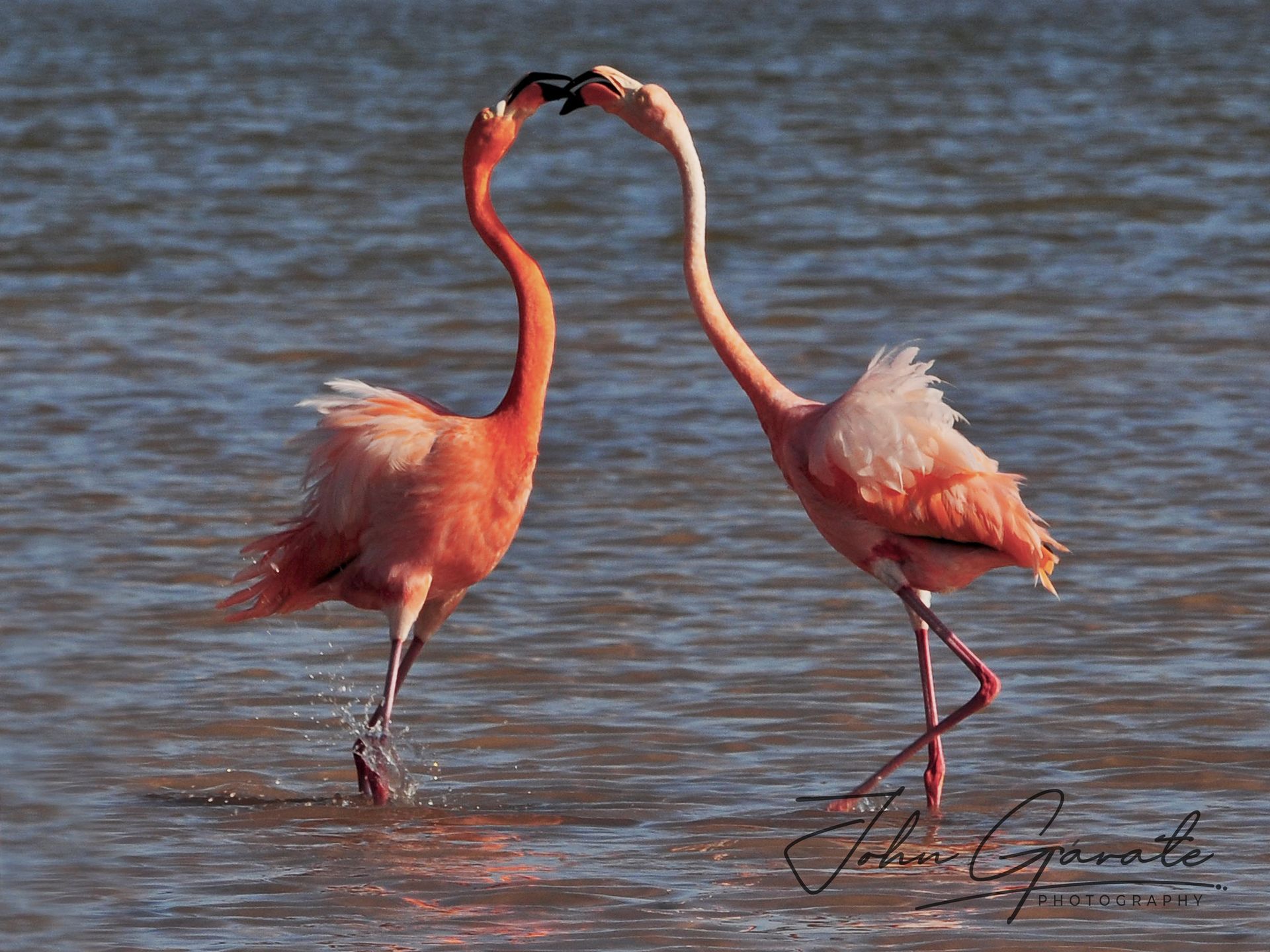
Magnificent frigatebirds inflate their dramatic red throat pouches during breeding displays. Galápagos mockingbirds can be remarkably curious. Darwin’s finches may look small at first, but their different beak shapes tell one of the most famous stories in evolutionary science.
Bird lovers should consider carrying binoculars, although many Galápagos bird encounters happen surprisingly close to the trail.
3. Marine Iguanas: The Galápagos’ Ocean-Going Lizards
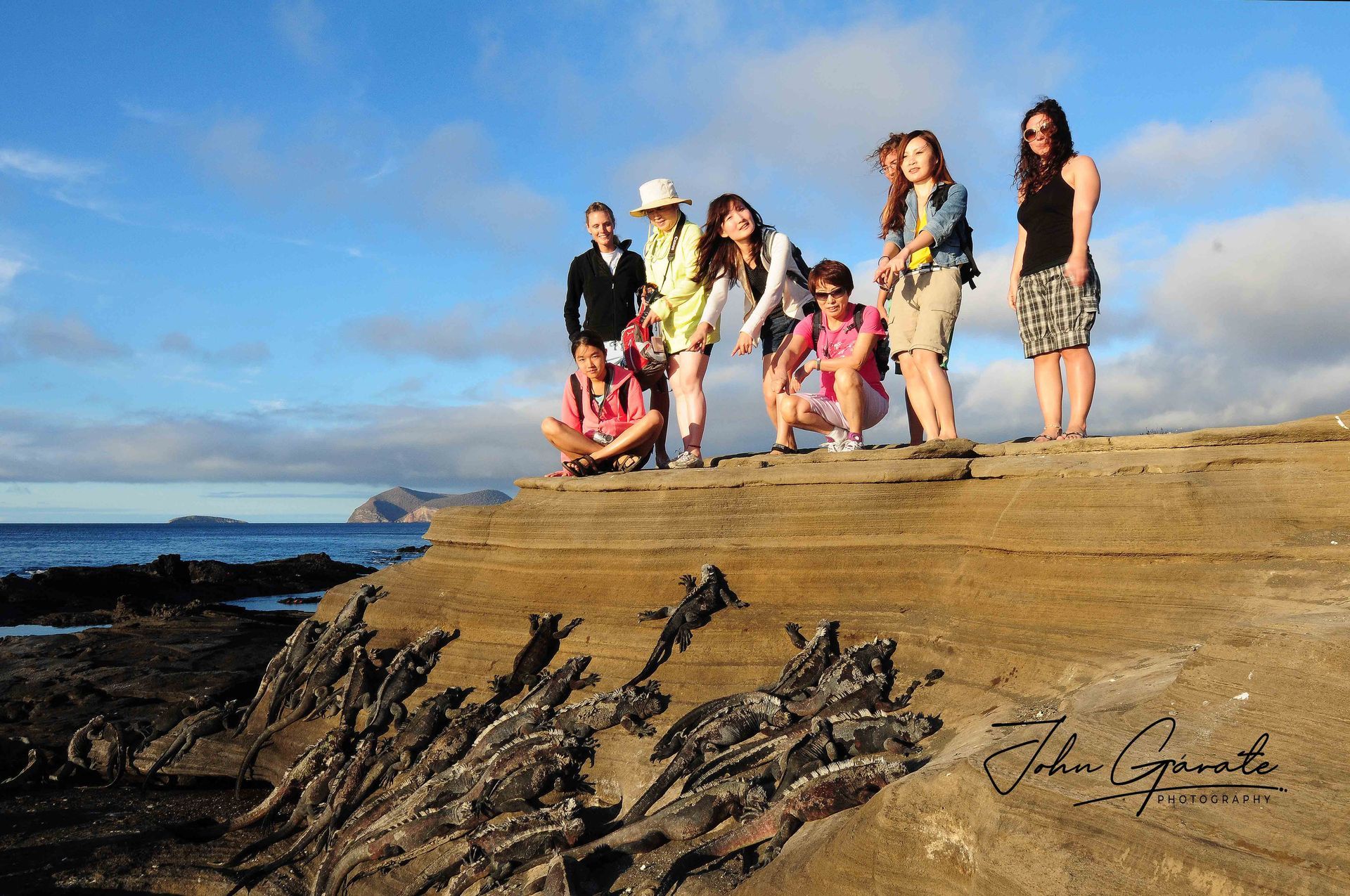
Marine iguanas are found only in the Galápagos, making them one of the archipelago’s most distinctive animals.
They forage underwater for algae before returning to shore and gathering on dark volcanic rocks to warm themselves in the sun. Their blunt faces, spiny backs, and habit of sneezing excess salt make them look almost prehistoric.
Their coloration varies by island, season, and sex. During breeding season, males on some islands can display surprisingly vivid colors.
On Santa Cruz, marine iguanas can sometimes be seen along coastal areas, beaches, and around Puerto Ayora.
They may appear completely unconcerned by people, but they are still wild animals. Do not step over a resting iguana, move toward one for a closer photograph, or block its route to the water.
The best photograph is usually the one that allows the animal to continue behaving naturally.
4. Galápagos Sea Lions: Playful but Still Wild
Few Galápagos animals bring as much energy to an encounter as the Galápagos sea lion.
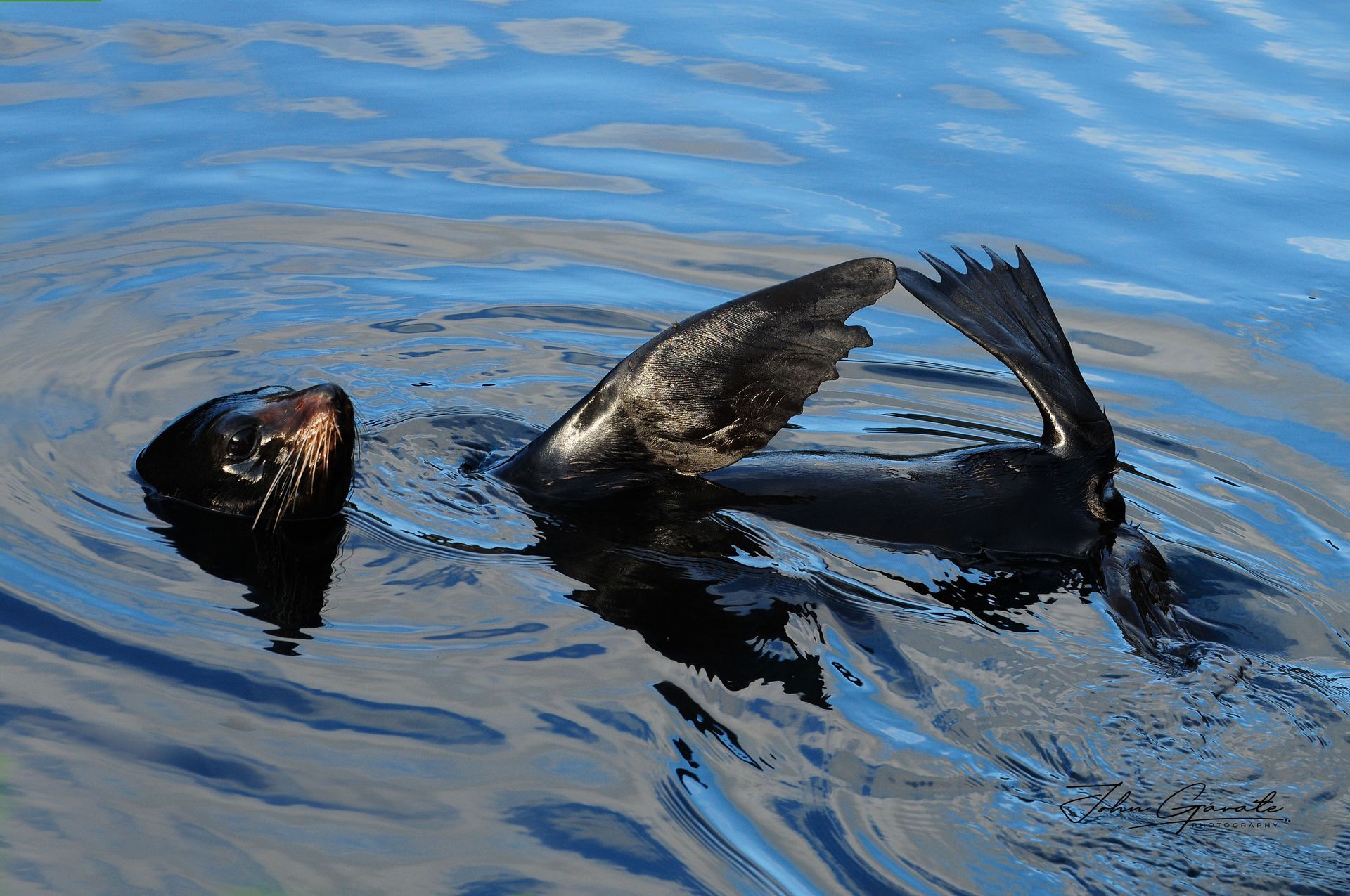
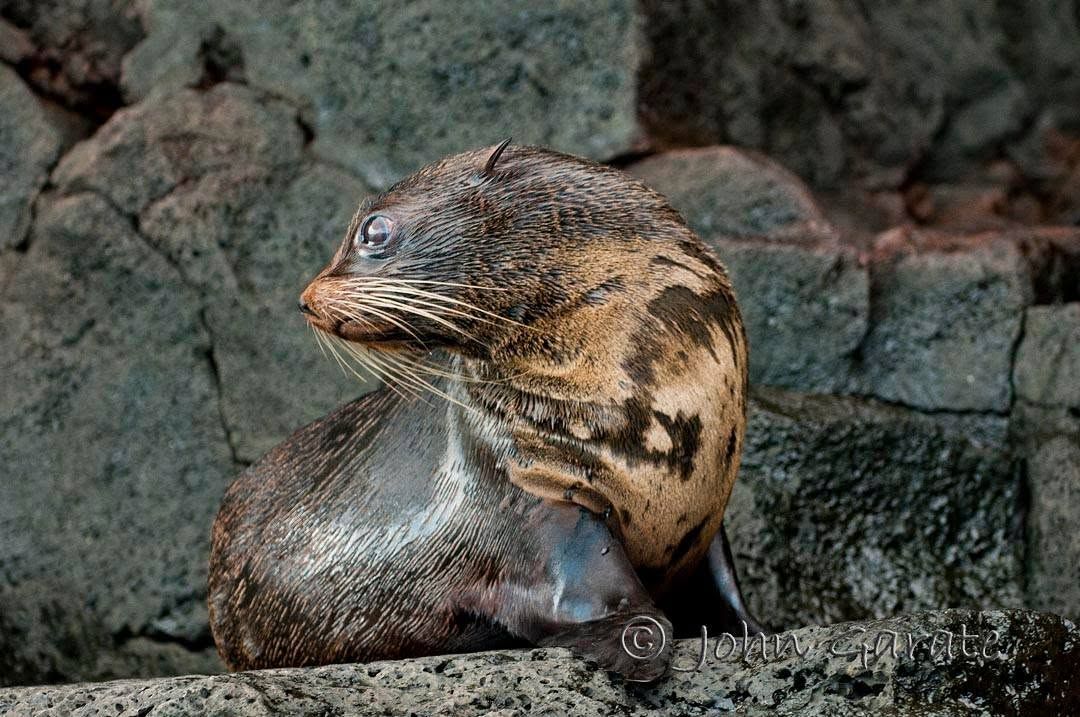
You may hear them barking from the waterfront, see them sleeping on docks, or encounter them while snorkeling. Young sea lions can be particularly playful underwater, swimming and turning around snorkelers with remarkable curiosity.
But curiosity should never be mistaken for an invitation to approach.
Adult males can be territorial, and mothers with pups need space. When snorkeling, allow the sea lions to decide how close they want to come. Never chase, touch, block, or attempt to attract them.
For many travelers, swimming near a sea lion becomes one of the highlights of a Galápagos vacation. Choosing the right snorkeling location, however, depends on water conditions, visibility, currents, and your group's experience.
For ideas on where to experience marine life around Santa Cruz, explore Torre Mar’s guide to the best Santa Cruz snorkeling spots.
5. Green Sea Turtles and the Wildlife Beneath the Surface
Some of the most memorable Galápagos wildlife encounters happen underwater.
Green sea turtles can often be seen gliding through the waters around Santa Cruz, moving with a calm grace that makes even a short encounter feel extraordinary.
Depending on the location and conditions, snorkelers may also see rays, colorful reef fish, white-tip reef sharks resting on the seafloor, and schools of fish moving through the water.
Tortuga Bay and other nearby snorkeling locations can provide rewarding experiences, but wildlife sightings are never guaranteed. Water clarity, tides, currents, wind, and seasonal conditions can all change the experience from one day to the next.
Families and first-time snorkelers should choose an outing based on their comfort level rather than simply selecting the most ambitious excursion.
And remember: coral and rocky marine habitat may look tough, but it is surprisingly fragile. Never stand on coral or intentionally touch marine life.
6. Waved Albatrosses: A Wildlife Spectacle on Española
Some Galápagos wildlife encounters require more planning.
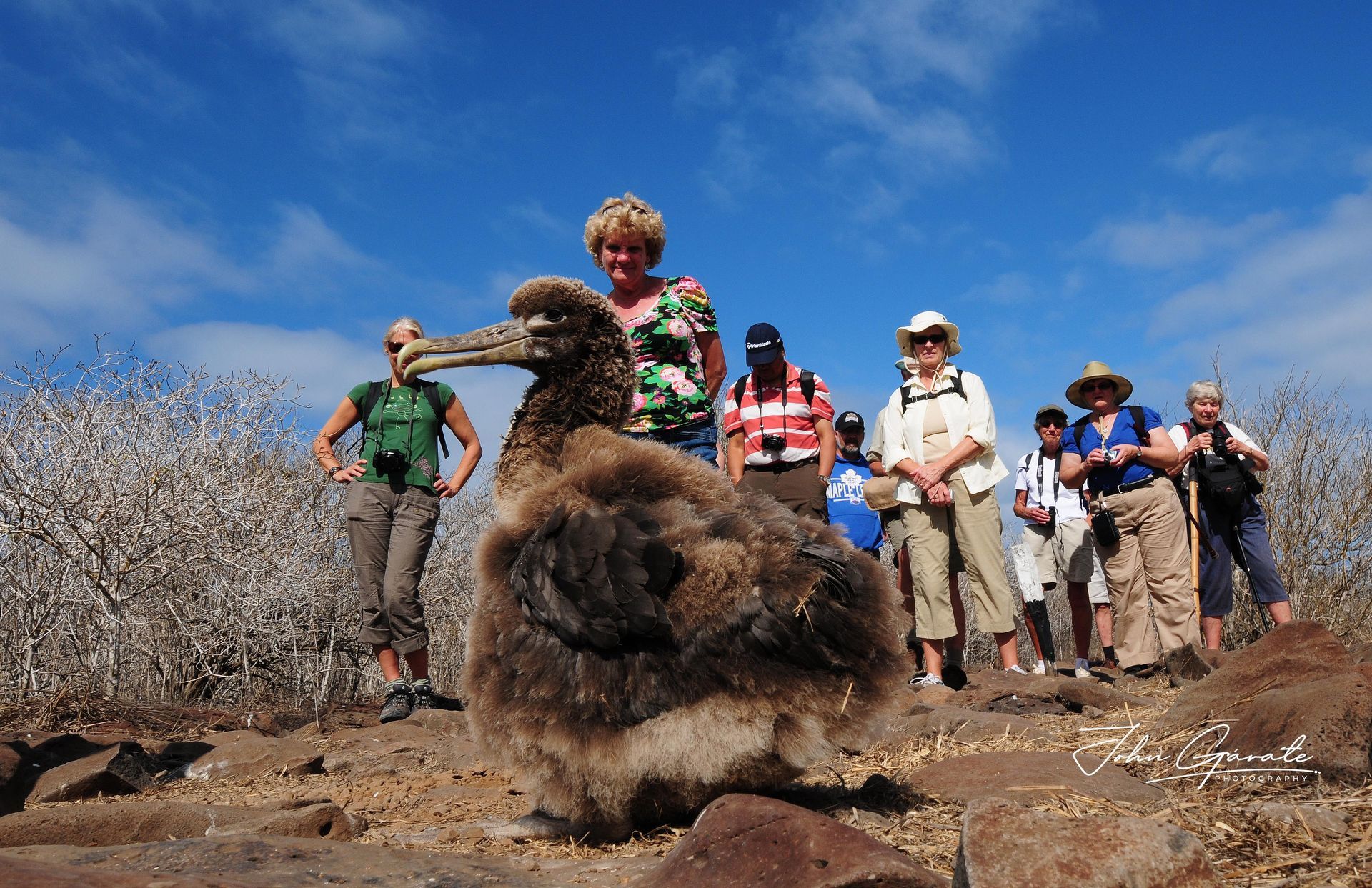
The waved albatross is famously associated with Española Island, where these enormous seabirds gather during their nesting season. Their elaborate courtship behavior, graceful flight, and dramatic takeoffs make them a favorite among wildlife photographers.
Española is not a casual independent excursion from Santa Cruz. Reaching the island generally requires a longer guided excursion or cruise itinerary.
That extra travel can be worthwhile for travelers whose priority is seeing some of the archipelago’s more specialized wildlife.
If your trip includes several islands, Torre Mar’s Galápagos island-hopping guide can help you think about how to balance travel time with wildlife experiences.
Remember that wildlife sightings vary by season and conditions. A responsible itinerary should never promise that a particular animal will appear on command.
7. Galápagos Penguins: Small Birds With a Big Story
Galápagos penguins are among the most unusual animals in the archipelago.
They are the only penguins that live north of the equator, surviving in the Galápagos because of cool ocean currents that bring nutrient-rich water into the region.
They are most strongly associated with Isabela and Fernandina, particularly in the western part of the archipelago. Depending on the itinerary, visitors may see them swimming, resting on lava formations, or moving along the shoreline.
Seeing a Galápagos penguin usually requires more planning than spotting a sea lion in Puerto Ayora. This is another reason not to try to cram every island into a short vacation.
A few thoughtfully chosen excursions can create more meaningful experiences than rushing from island to island in pursuit of a checklist.
8. Land Iguanas and the Dramatic Landscapes They Call Home
Land iguanas offer another unforgettable wildlife encounter.
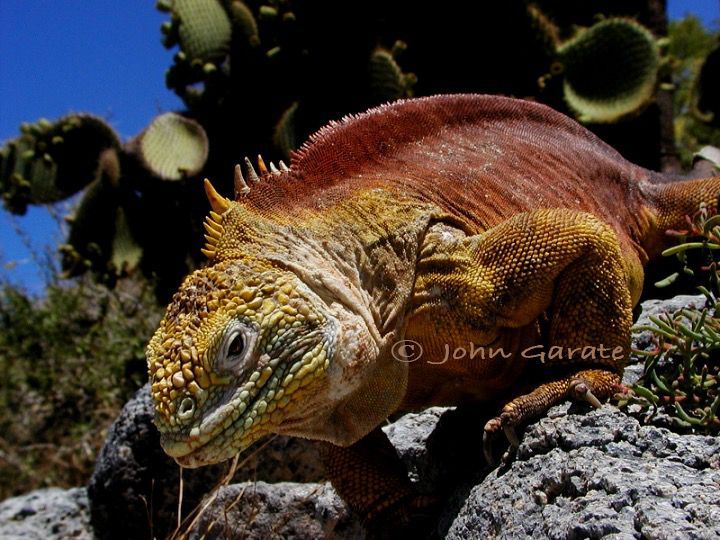
These large yellowish reptiles are primarily terrestrial and are often associated with dry, volcanic landscapes. Their coloring can blend remarkably well with the surrounding earth and vegetation.
Depending on the island and visitor site, travelers may encounter land iguanas near trails, rocky terrain, or areas where vegetation provides food and shelter.
The experience is especially rewarding when you take a moment to consider how perfectly these animals fit their environment.
The Galápagos is not simply a collection of beautiful animals. It is an ecosystem where geology, climate, plants, and wildlife have evolved together over millions of years.
9. Rays, Sharks, and Fish While Snorkeling
Not every memorable wildlife encounter happens on land.
Beneath the surface, the Galápagos reveals another world. Rays may glide silently over sandy bottoms, reef sharks can rest in protected areas, and colorful fish may move together in enormous schools.
For travelers based in Puerto Ayora, snorkeling is one of the easiest ways to add marine wildlife to a land-based itinerary.
Water conditions should always influence your choice of site. A location that is excellent one day may be less appealing the next because of wind, currents, visibility, or temperature.
If you are traveling with children, inexperienced swimmers, or anyone who is nervous in open water, tell your guide before the excursion. The best experience is not necessarily the most adventurous one. It is the one where everyone feels comfortable enough to pay attention to the wildlife.
10. The Unexpected Wildlife Encounter
The final wildlife encounter on this list is the one you cannot schedule.
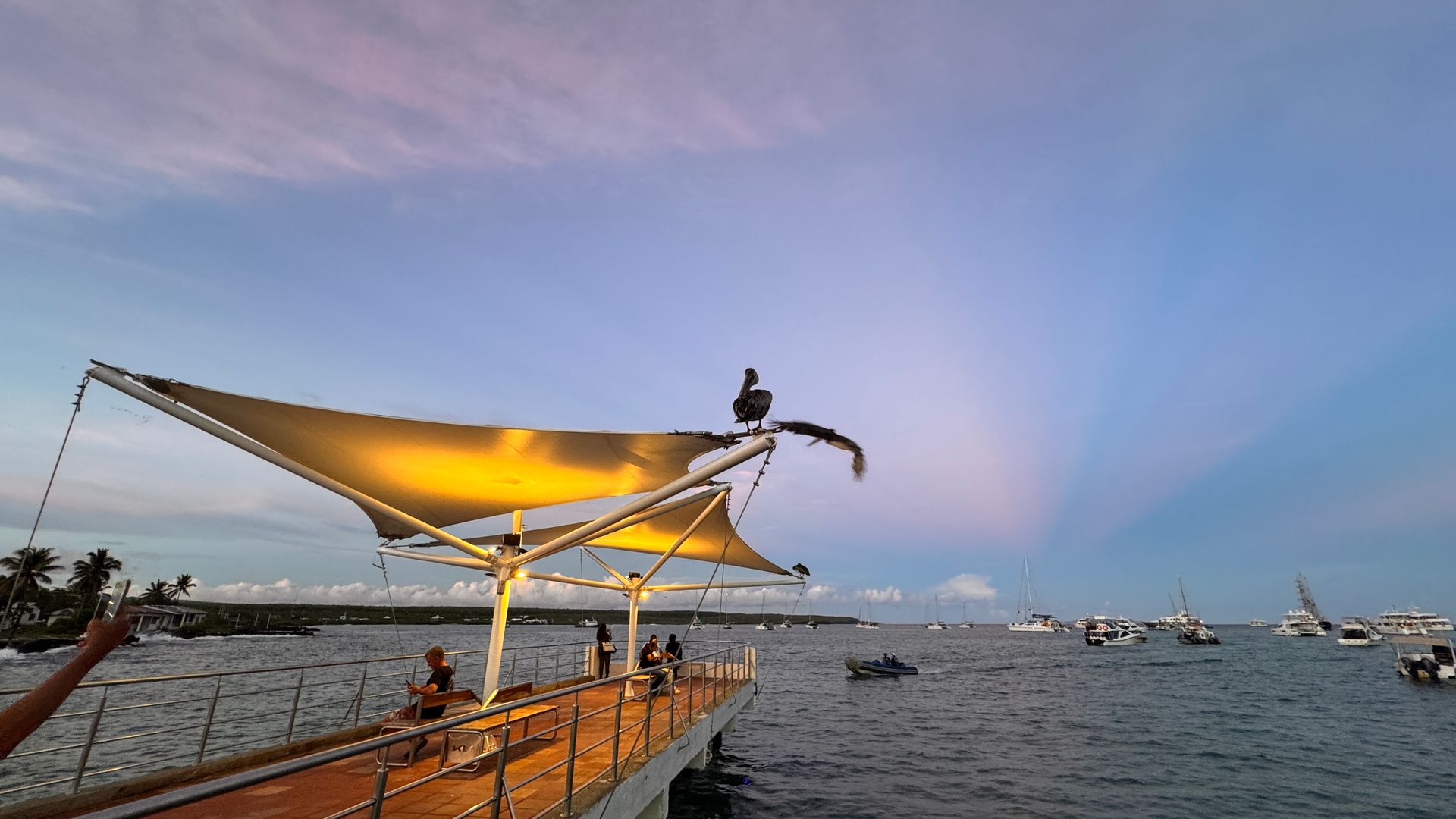
It might be a sea lion sleeping beside the waterfront. A heron patiently hunting along the shore. A finch landing nearby while you enjoy breakfast. A turtle surfacing beside your boat. Or a giant tortoise appearing unexpectedly through the highland vegetation.
These moments are part of what makes the Galápagos different from a conventional wildlife destination.
A well-planned itinerary creates opportunities to see wildlife, but it should also leave room for something you never expected.
For many travelers, that is the encounter they remember most.
How to Watch Galápagos Wildlife Responsibly
The Galápagos is famous for animals that appear unusually comfortable around people. That behavior is one of the islands’ greatest treasures—and a responsibility for every visitor.
Stay on marked trails and follow the instructions of your naturalist guide. Maintain the required distance from wildlife, never feed animals, and never touch them even when they seem unconcerned by your presence.
Avoid loud noises around resting or nesting animals. Do not use food, sounds, or other methods to attract wildlife for photographs.
Keep beaches and trails clean, carry reusable water bottles, and take all trash with you.
Photography should document wildlife rather than interfere with it. A zoom lens is often more useful than trying to move closer, and flash photography should be avoided when it could disturb animals.
The goal is simple: leave the animal exactly as you found it.
Build Your Galápagos Wildlife Experience Around Your Pace
One advantage of a land-based Galápagos vacation is flexibility.
From Puerto Ayora, travelers can combine wildlife excursions with beach time, snorkeling, highland visits, and relaxed afternoons. You can spend one day on a full-day boat excursion and the next enjoying a slower experience close to town.
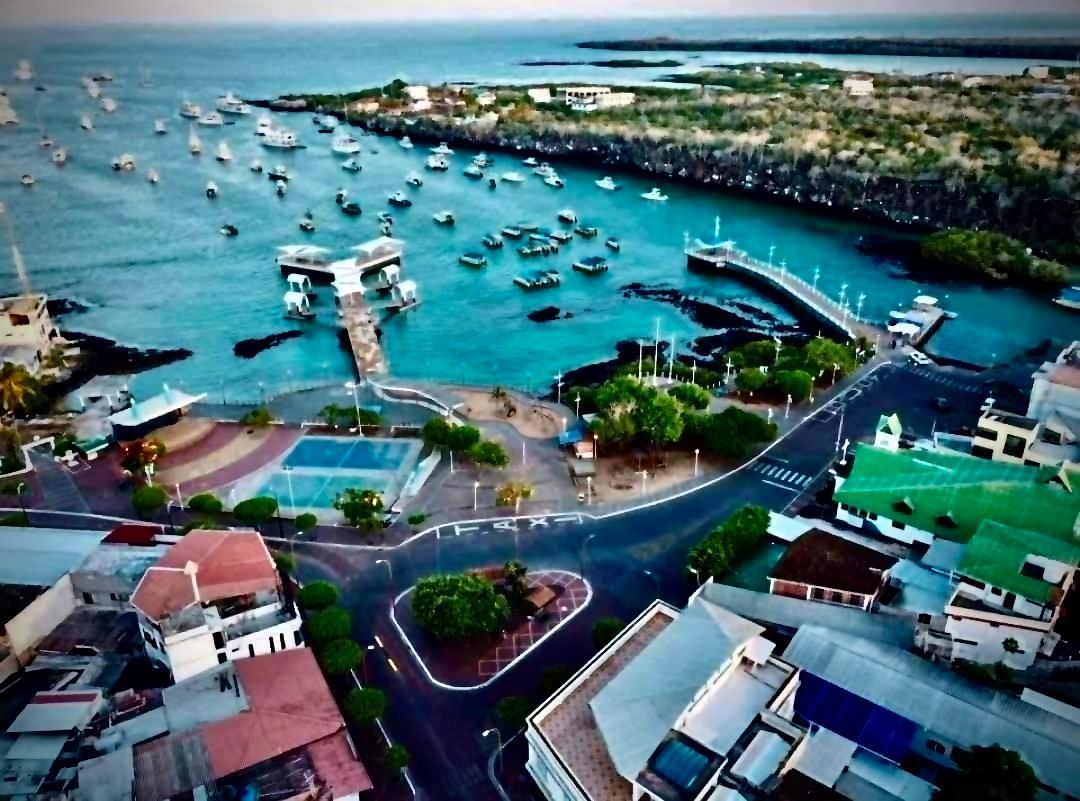
Puerto Ayora is an especially convenient base for exploring Santa Cruz, with access to restaurants, tour departures, waterfront wildlife, beaches, and excursions to nearby islands.
For travelers comparing a cruise with a land-based vacation, the choice ultimately comes down to what kind of experience you want. A cruise can reach remote visitor sites efficiently, while a land-based stay gives you more flexibility to choose activities and return to the same comfortable accommodation each evening.
Torre Mar Galapagos Boutique Suites provides a home base in Puerto Ayora where travelers can slow down between adventures. For guests who want space to prepare meals, a Galápagos suite with a kitchen can also make a land-based trip easier, particularly for families and longer stays.
Leave Room for the Wildlife You Did Not Expect
A wildlife checklist can help you plan, but the Galápagos has a wonderful habit of ignoring checklists.
The animal you most hoped to see may stay hidden, while an unexpected encounter becomes the highlight of your trip.
That is why the best Galápagos itinerary combines thoughtful planning with flexibility. Choose a comfortable home base, select excursions that fit your interests and energy level, and leave some unscheduled time in your day.
The most memorable wildlife encounter may not be the rarest animal or the most famous visitor site.
It may simply be the moment when you stop, look around, and realize that something extraordinary is happening right in front of you.