Galápagos Island Hopping Guide for First-Time Visitors
Plan a relaxed Galápagos island-hopping adventure with practical tips for choosing islands, planning ferry travel, building your itinerary, and making the most of your time in Santa Cruz, Isabela, and San Cristóbal.

The Galápagos are not a destination to race through with a suitcase in one hand and a ferry ticket in the other.
A thoughtful Galápagos island hopping guide begins with a simpler idea: choose a few islands, leave room for the unexpected, and give yourself time to notice what makes each place different.
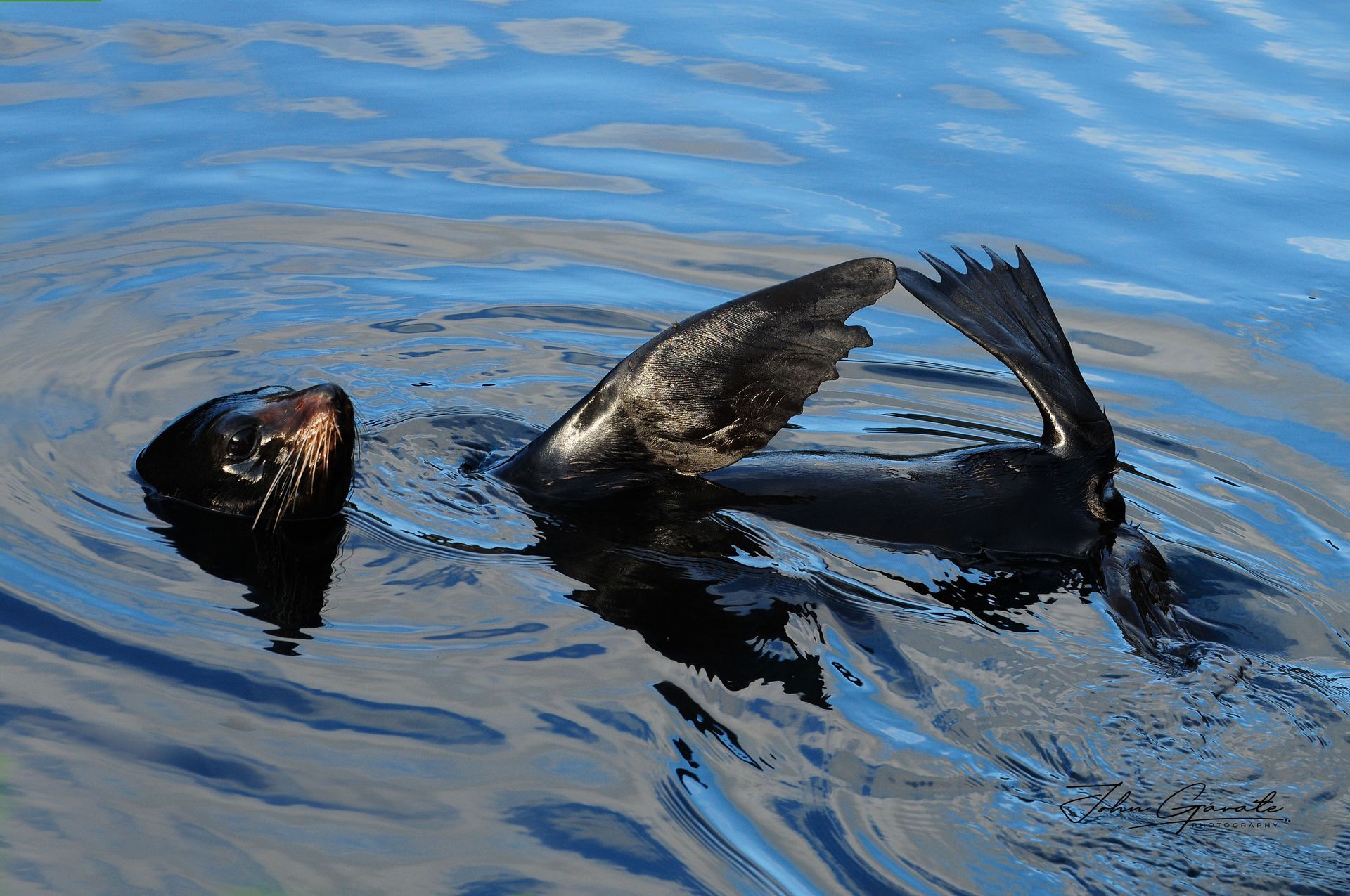
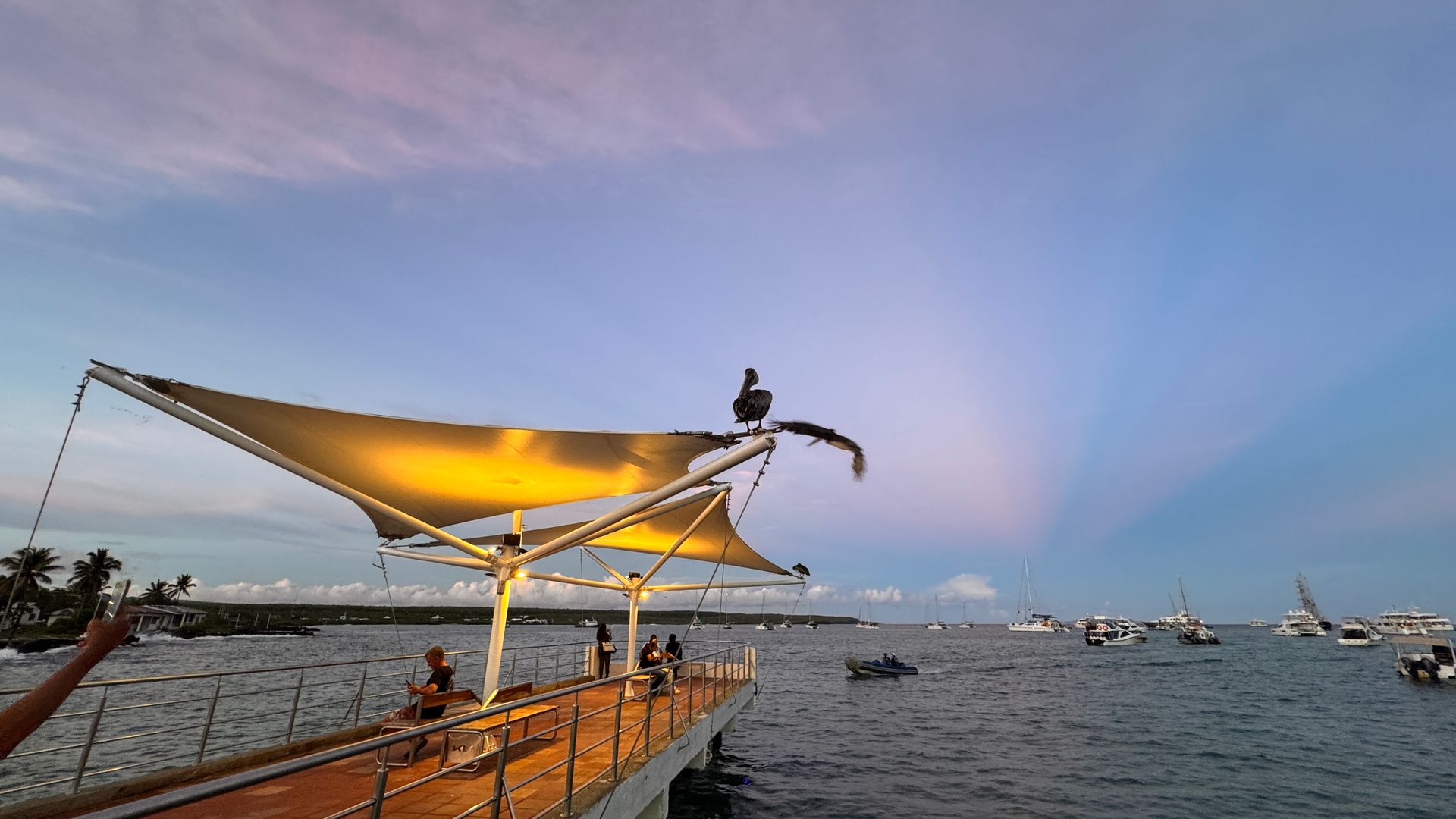
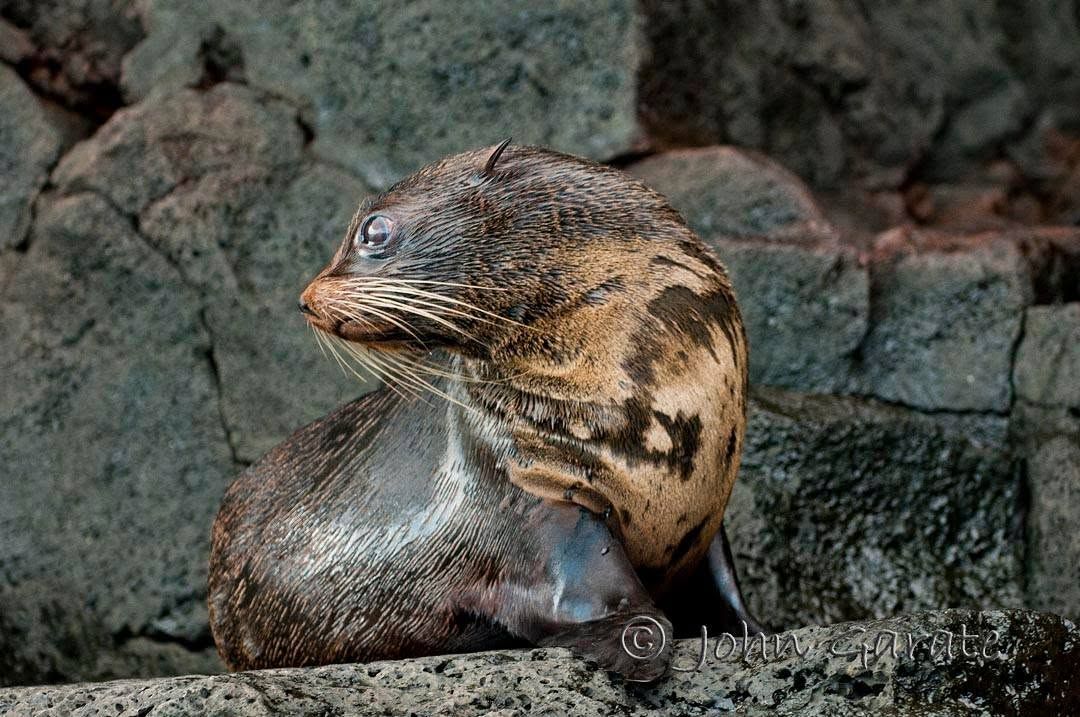
A sea lion sleeping beside the pier, a marine iguana warming itself on black lava, or a quiet sunset in Puerto Ayora can become the memory you talk about long after the trip.
Island hopping is an especially rewarding choice for travelers who want freedom beyond a cruise itinerary. You can select your own day tours, linger over dinner, take a rest day when the sea has been rough, and return each evening to a place that feels like home.
It does require some planning, but that planning can lead to a more personal and flexible Galápagos experience.
What Galápagos Island Hopping Does Best
A land-based trip lets you experience the islands at a more human pace. Rather than waking in a new anchorage every morning, you can get to know a town, revisit a favorite café, shop for fresh fruit, and settle into a comfortable routine between adventures.
This can be particularly valuable for families, couples who prefer unhurried travel, and guests who appreciate having a kitchen and living space instead of living out of a cabin.
The trade-off is travel time.
Passenger speedboats connect the main inhabited islands, but crossings can be bumpy and schedules can change because of sea conditions or operational factors. The Galápagos National Park Directorate currently describes inter-island passenger crossings as approximately two to three hours, depending on sea conditions.
Island hopping works best when you treat transfer days as part of the journey rather than trying to pack them with major tours.
For many first-time visitors, Santa Cruz, Isabela, and San Cristóbal offer an excellent combination of wildlife, landscapes, activities, and practical connections.
You do not need to see all three to have an extraordinary trip. In fact, two islands can be the better choice for a shorter stay.
Which Galápagos Islands Should You Visit?
Start With Santa Cruz
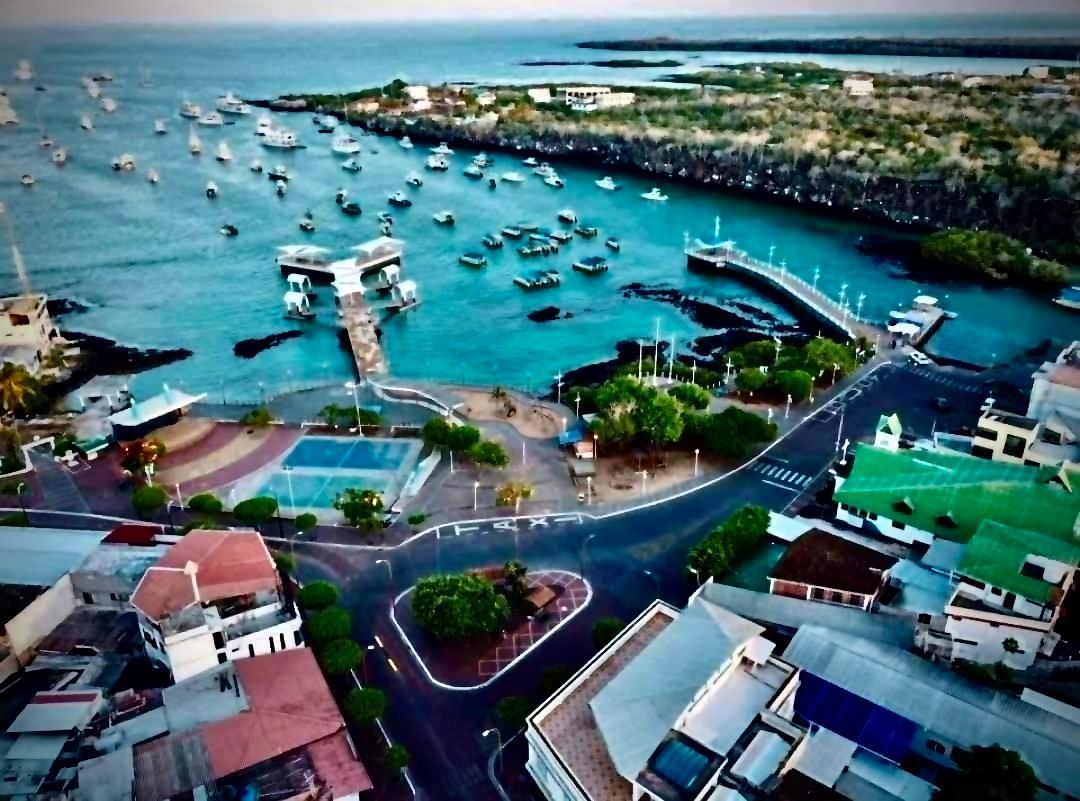
Santa Cruz is a natural starting point for many travelers arriving through Baltra Airport. After crossing the Itabaca Channel and traveling across the island, you arrive in Puerto Ayora, Santa Cruz's main town and an important tourism hub.
Santa Cruz offers a wonderful first look at the variety of the Galápagos.
Visit the highlands to see giant tortoises, explore lava formations, spend time at beautiful beaches, snorkel, or walk along the Puerto Ayora waterfront, where sea lions and pelicans are often part of the scene.
The island also offers a broad choice of restaurants, markets, guides, tour operators, and other services, which can be especially reassuring after a long international journey.
A Santa Cruz stay of three or four nights gives you time to settle in rather than immediately repacking your bags.
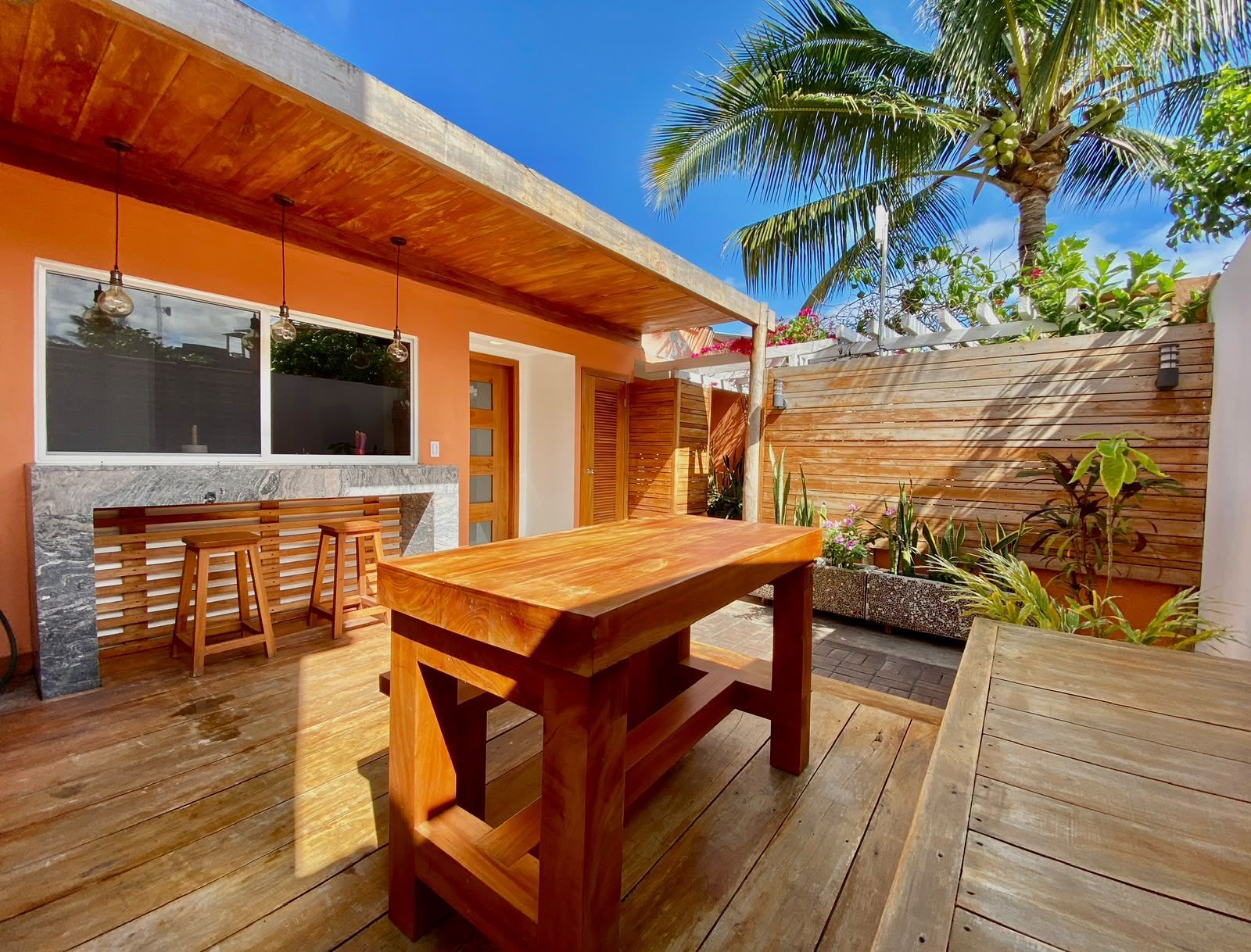
At Torre Mar Galápagos Boutique Suites, apartment-style accommodations and local planning support can make this first stop especially comfortable. Guests can arrange practical details such as airport transportation, ferry travel, tours, and time to simply enjoy Puerto Ayora.
For more practical information about the island, see our Santa Cruz Island Guide.
Add Isabela for Space and Volcanic Scenery
Isabela feels quieter, wilder, and more spread out.
Its small town, Puerto Villamil, has a relaxed beach-town rhythm, while the surrounding landscapes reveal a dramatic volcanic side of the Galápagos.
Depending on your interests and current visitor-site conditions, experiences may include snorkeling at Los Túneles, visiting the wetlands, seeing flamingos, cycling toward the Wall of Tears, or hiking Sierra Negra Volcano.
Isabela is a good fit for travelers who want more beach time and fewer crowds.
Plan at least two nights, although three nights can be more comfortable. The passenger-boat crossing from Santa Cruz takes approximately two to three hours depending on sea conditions, and the total transfer takes longer once you include check-in, luggage, and transportation to your accommodation.
Arriving, checking in, and taking a gentle walk along the beach is usually a wiser plan than booking a demanding excursion immediately after the ferry.
Consider Floreana for a Quieter Galápagos Experience
Floreana can appeal to travelers looking for a quieter island experience, fascinating history, and a different perspective on the Galápagos.
Its human history includes some of the archipelago's most intriguing stories, while the island's landscapes and wildlife offer plenty of reasons to explore.
Floreana is also part of an important conservation effort involving the restoration of the Floreana giant tortoise population.
Because transportation and excursion options are more limited than on Santa Cruz, Isabela, and San Cristóbal, travelers should confirm current transportation and visitor options before building an itinerary around Floreana.
For a first island-hopping trip, it is best considered an optional addition rather than an essential stop.
Choose San Cristóbal for Wildlife Close to Town
San Cristóbal often wins over visitors who want wildlife encounters without traveling far from their hotel.
Sea lions are a cheerful, noisy presence around Puerto Baquerizo Moreno, and sites such as Kicker Rock, Punta Carola, and the Interpretation Center offer opportunities for snorkeling, coastal walks, and learning more about the islands.
Santa Cruz and San Cristóbal are connected by passenger speedboat, with the crossing generally taking around two to three hours depending on conditions.
If your flight schedule allows it, some travelers arrive through one island and depart from another. This can reduce backtracking, but only if flight availability, luggage allowances, and inter-island connections line up well.
Confirm current schedules before building your trip around this strategy.
Plan Fewer Stops, Better Days
One of the most common island-hopping mistakes is trying to fit too much into too little time.
A six-night trip is often better with Santa Cruz plus either Isabela or San Cristóbal. With seven to nine nights, all three islands can work, provided you include some breathing room.
A balanced seven-night route might include:
- Four nights on Santa Cruz and three nights on Isabela, or
- Three or four nights on Santa Cruz and three or four nights on San Cristóbal.
For longer trips, you can consider combining all three islands.
There is no single perfect route.
Families with young children may prefer fewer ferry crossings, while active travelers may be happy to accept additional travel for more time in the water or on hiking trails.
Avoid scheduling your most important excursion immediately after a ferry arrival. Build a buffer before an international departure, too.
Ferry delays are not guaranteed, but island travel is shaped by the sea, and a flexible itinerary feels far more relaxing than one with no margin at all.
Make Galápagos Ferry Days Easier
Inter-island passenger boats are an important part of independent Galápagos travel, but they are transportation rather than sightseeing cruises.
The National Park currently describes passenger crossings between the inhabited islands as approximately two to three hours, depending on sea conditions.
Remember that the time on the water is only part of the travel day.
You also need to allow time for:
- Getting to the pier
- Check-in and boarding
- Luggage handling
- Traveling from the destination pier to your accommodation
- Possible changes caused by sea conditions or operations
Ferry tickets are best arranged ahead during busy travel periods. For practical information, see our How to Book Galápagos Ferry Tickets Without Stress.
When traveling between islands, keep essential items, medications, travel documents, cameras, and other valuables in your personal day bag rather than inside checked luggage.
Bring water, sun protection, a light layer, and anything you normally use to manage motion sickness.
If you are prone to motion sickness, speak with your physician or pharmacist before your trip about appropriate medication.
Most importantly, leave yourself some breathing room after a ferry arrival.
Let Wildlife Set the Pace
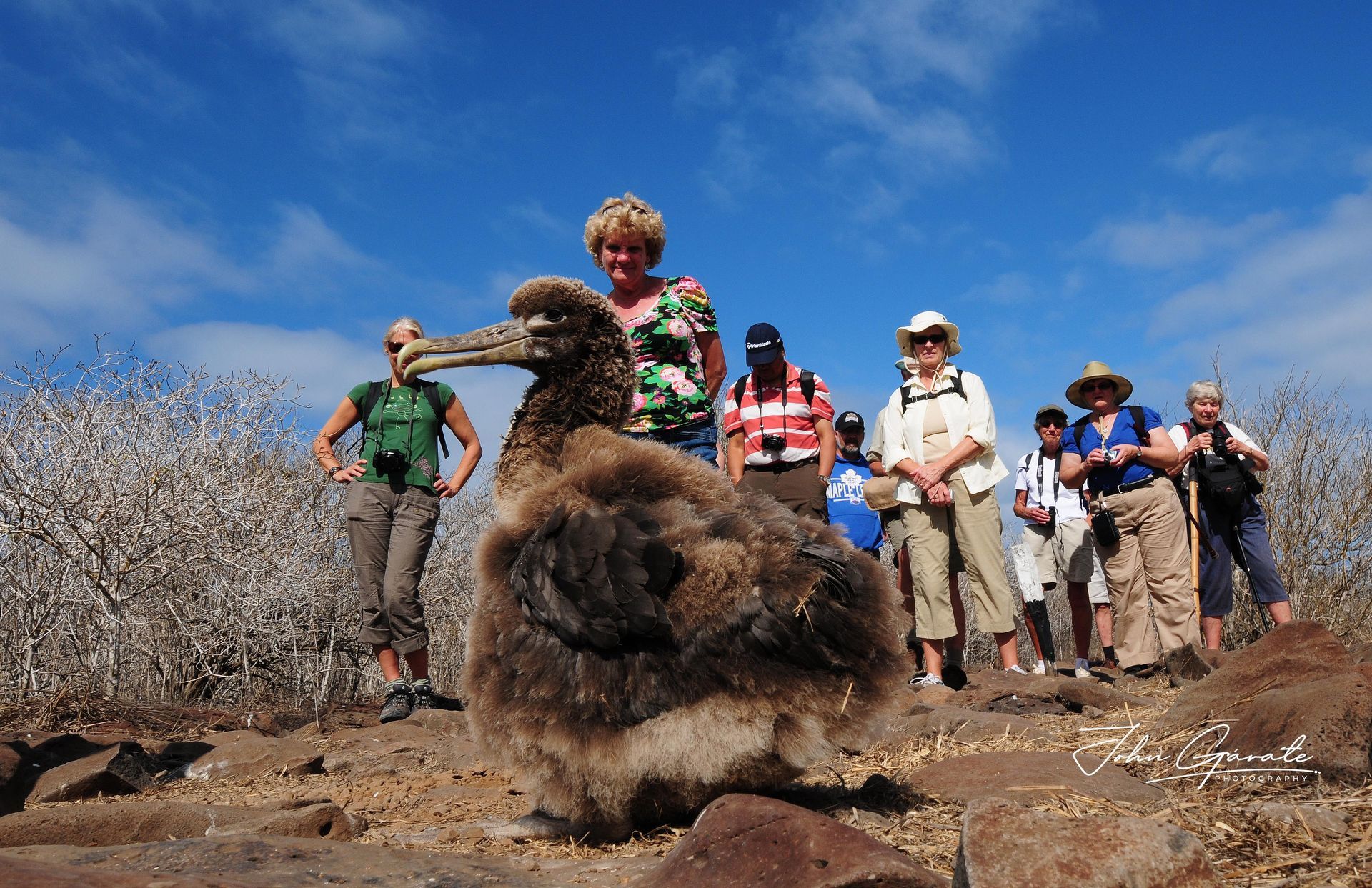
The Galápagos are remarkable because animals often appear completely unfazed by people.
That does not mean they should be approached closely.
Keep the required distance, stay on marked paths, never feed wildlife, and follow your guide's instructions at all times. A respectful encounter is always better than a close photograph.
The wildlife you see will depend on the season, island, visitor site, and a little luck.
Sea lions, marine iguanas, giant tortoises, blue-footed boobies, rays, reef fish, and tropical birds can all be part of a land-based itinerary.
Some of the best moments happen between planned activities: watching frigatebirds circle above a harbor or spotting sea lions playing near the waterfront.
For more ideas, explore Torre Mar's guide to the best beaches in the Galápagos.
Plan Snorkeling Around Your Comfort Level
Snorkeling is one of the highlights of a Galápagos trip, but not every excursion is right for every traveler.
Choose excursions based on your confidence in the water, not simply on the most famous destination.
Before booking, ask about:
- Ocean currents
- Water temperature
- Wetsuit availability
- Boat travel time
- Swimming requirements
- Whether the excursion is appropriate for beginners or children
The right guide and a comfortable pace can make a first snorkeling experience feel exciting rather than intimidating.
Leave Room to Feel at Home
A successful island-hopping trip has adventure in it, but it also has pauses.
Plan a free afternoon in Puerto Ayora. Cook a simple meal with local ingredients, take a slow walk to the waterfront, or sit on your balcony and listen to the town settle into evening.
These quieter hours are not lost time.
They are often what turns a busy itinerary into a meaningful vacation.
Travelers who choose a land-based stay can also use their accommodation as part of the experience. A kitchen can make breakfast easier before an early excursion, while a living area gives families and groups somewhere to relax after a full day outdoors.
For travelers considering this style of trip, our guide to choosing a Galápagos hotel with kitchen access explains why this can be especially useful.
Let Local Knowledge Do Some of the Work
Ferry schedules, tour availability, pickup times, and visitor-site requirements can change.
A local host can help you understand the practical details and recognize when an itinerary needs more breathing room.
At Torre Mar Galápagos Boutique Suites, we are happy to share the kind of local advice that comes from living here—from helping guests think through ferry connections and airport transfers to recommending restaurants, tours, groceries, and ways to pace their days.
Torre Mar's spacious suites in Puerto Ayora provide a comfortable home base for travelers who want the flexibility of a land-based Galápagos vacation.
A Better Way to Experience Galápagos Island Hopping
The best Galápagos island-hopping itinerary is not necessarily the one that includes the most islands.
It is the one that gives you enough time to appreciate each place.
Choose islands based on your interests. Allow time for transportation. Build in a buffer. Leave some afternoons open. Give yourself permission to change plans when conditions call for it.
Most of all, don't be afraid to slow down.
The day you leave open may become the one you remember most—a quiet swim, an unexpected turtle sighting, sea lions gathering around the harbor, or a sunset that makes you decide to stay by the water a little longer.
Come with a thoughtful plan, but leave room for the islands to surprise you.