How to Book Galápagos Ferry Tickets Without Stress
How to Book Galápagos Ferry Tickets Without Stress | Torre Mar

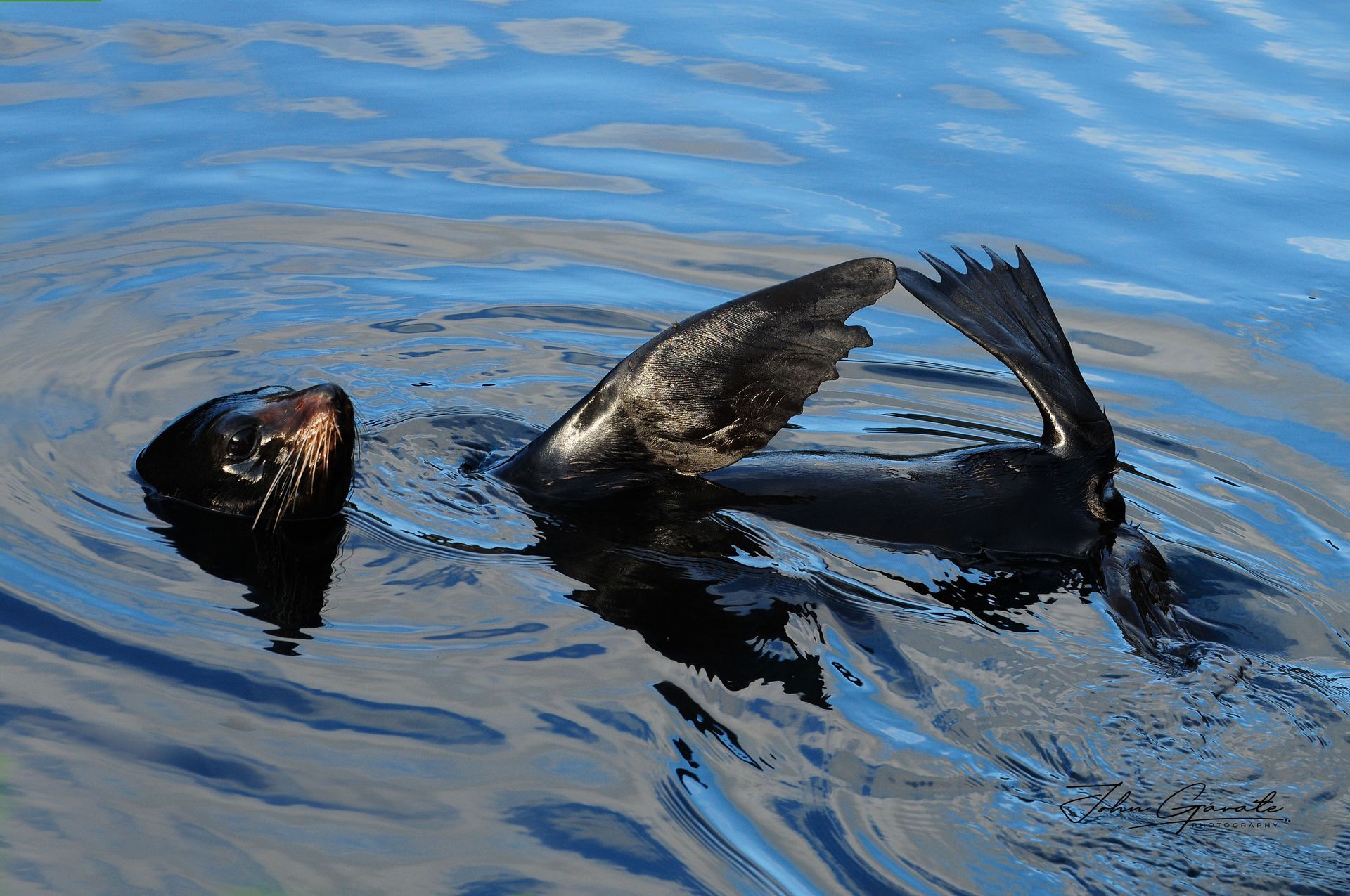
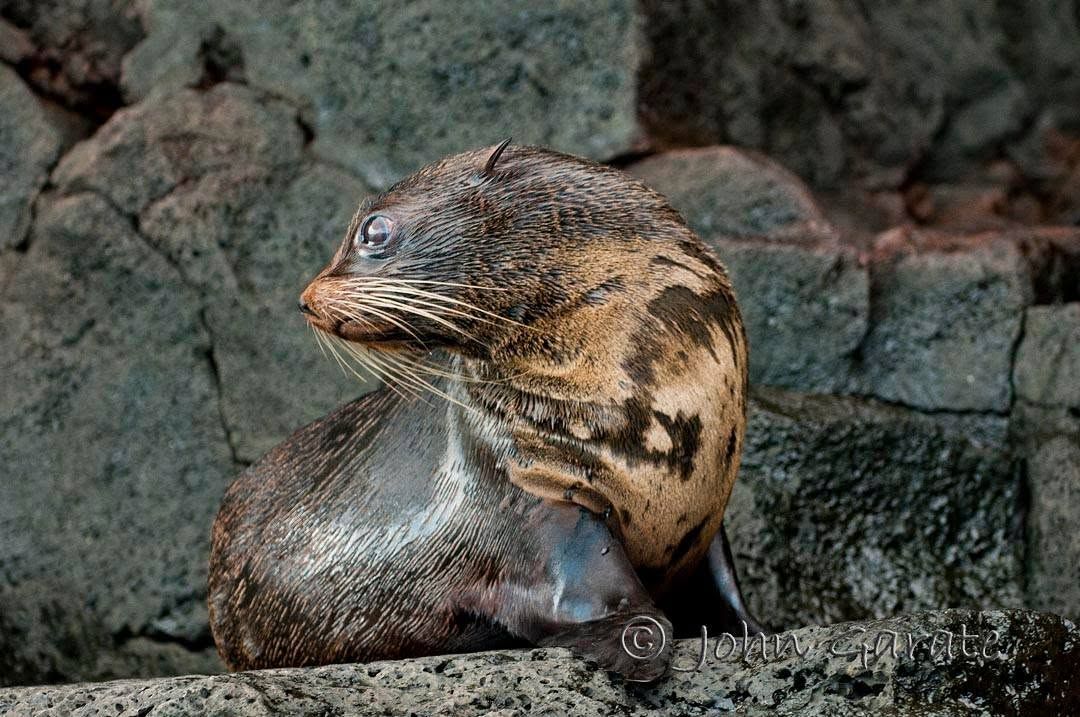
The ferry terminal can feel like a small but consequential moment in a Galápagos trip: bags at your feet, a departure time to confirm, and an open-water ride ahead. Knowing how to book Galápagos ferry tickets before you arrive removes much of that uncertainty, leaving you free to focus on the islands themselves—the sea lions at the dock, volcanic landscapes, and the freedom to explore at your own pace.
For land-based travelers, ferries connect Santa Cruz, Isabela, and San Cristóbal. They are a practical way to travel between islands, but crossings can be bumpy and schedules can change. A little advance planning goes a long way, especially during holidays, busy travel periods, or when coordinating ferries with flights, tours, and family travel.
Understand the Galápagos Ferry Routes First
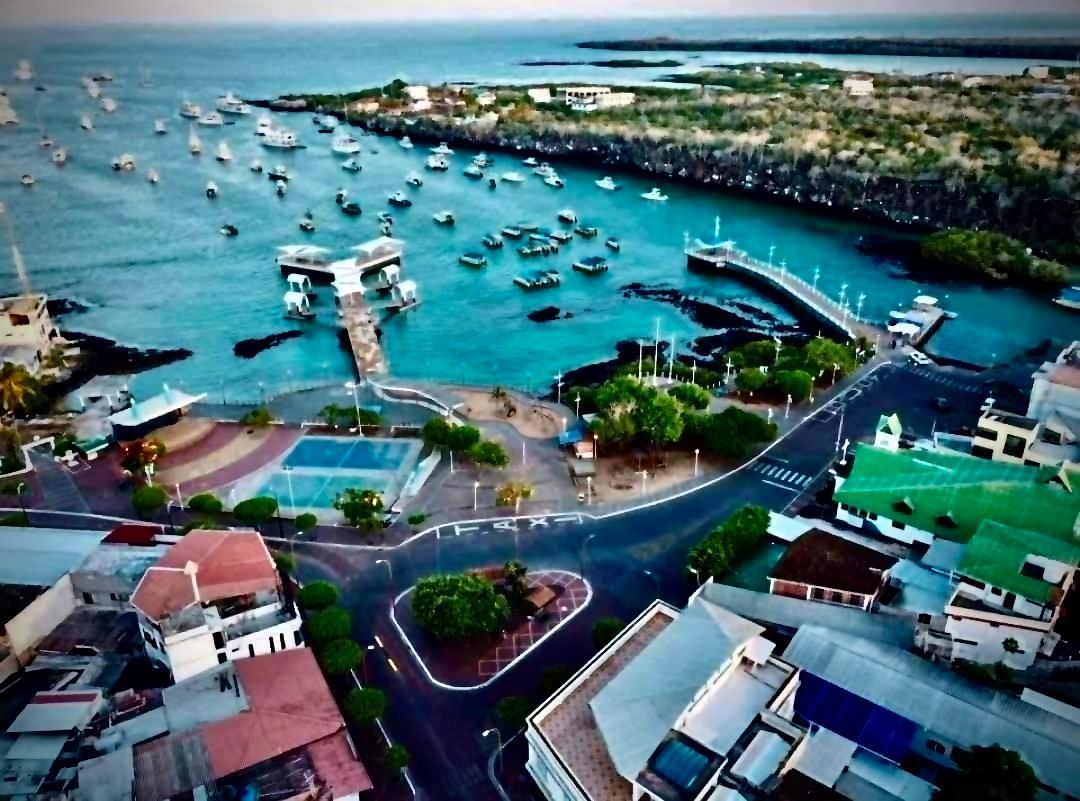
Inter-island ferries are passenger boats, often called speedboats or launches. The primary routes connect Puerto Ayora on Santa Cruz Island with Puerto Villamil on Isabela and Puerto Baquerizo Moreno on San Cristóbal. There is also a connection between Isabela and San Cristóbal, although schedules and availability can be more limited.
Most crossings take roughly two to two and a half hours, depending on the route, sea conditions, and boat. Remember that this is the approximate time on the water. You also need time to reach the pier, check in, handle luggage, and continue to your accommodation after arrival.
For that reason, avoid scheduling a tour, restaurant reservation, or flight too tightly around a ferry. Give yourself a buffer whenever possible.
If you are planning a multi-island trip, our Galápagos island-hopping guide can help you think through how long to spend on each island and how to build a more comfortable itinerary.
Ferry schedules can change because of weather, sea conditions, operational issues, or other circumstances. That is part of island travel. Build some flexibility into your plans and think of ferry days as travel days, rather than trying to pack them with additional sightseeing.
How to Book Galápagos Ferry Tickets
You can often purchase ferry tickets through local agencies or ticket offices near the piers, but booking ahead is usually the more comfortable option. This is particularly important during Christmas and New Year, Easter, school holidays, and other busy travel periods.
Waiting until the last minute may mean finding a seat is possible, but your preferred departure time may no longer be available. That can create a domino effect with hotel check-in, tours, and other transportation.
When booking, be prepared to provide information such as:
- Full passenger names as shown on passports
- Nationality
- Passport information, when requested
- Departure island
- Destination island
- Travel date
- Preferred departure time
Keep your confirmation on your phone, and save the local contact information for the ticket provider. A screenshot can also be helpful if mobile service is slow or unavailable.
Before confirming your reservation, ask:
- What time should we arrive at the pier?
- What is the luggage allowance?
- Is the departure time confirmed?
- Are any pier or boarding fees paid separately?
- Where and when do we check in?
For visitors who do not want to navigate several boat operators themselves, ferry-ticket assistance through a trusted local host can make the process much easier.
At Torre Mar Galapagos Boutique Suites, we can help guests coordinate ferry tickets with their broader island plans, including arrival and departure arrangements.
Choose Your Ferry Time With the Sea in Mind
If you have a choice between a morning and afternoon departure, consider more than the itinerary.
Sea conditions can vary throughout the day, and there is no guarantee that one departure will always be calmer than another. Travelers who are prone to motion sickness may want to discuss appropriate options with a doctor or pharmacist before traveling.
Where you sit can also influence how comfortable the ride feels. The front of a speedboat may experience more movement in rough conditions, while the rear can be noisier and may have more exposure to engine fumes. Follow the crew's instructions and let them know if you have a particular concern.
Most importantly, remember that sea conditions are unpredictable. If the water is rough, your experience may be different from what you expected when you booked.
What Ferry Tickets Do—and Do Not—Include
A ferry ticket covers the passenger crossing between islands. It does not replace other transportation and entry requirements associated with traveling to the Galápagos.
First-time visitors should understand the difference between:
- Inter-island ferry transportation
- Baltra Airport transportation
- The Galápagos Transit Control Card
- Galápagos National Park entrance requirements
- Local transportation to and from piers
If you fly into Baltra Airport for a stay in Puerto Ayora, you still have several steps before reaching your hotel. After arriving at the airport, you typically continue by airport transportation, the channel crossing, and land transportation into Puerto Ayora.
Our Santa Cruz arrival guide explains the arrival process and can help you understand what to expect when traveling from Baltra Airport to Puerto Ayora.
Airport transportation is separate from your inter-island ferry ticket. If you would like assistance arranging the journey, airport transfers in the Galápagos can make your arrival much smoother.
Likewise, a ferry ticket does not necessarily include transportation from the destination pier to your hotel. Check your arrival arrangements before leaving your departure island.
Prepare for the Ferry Crossing
Galápagos ferry rides can be beautiful, but they are not always gentle. The open water between islands can become rough, and even travelers who rarely experience motion sickness may feel uncomfortable.
If motion sickness is a concern, speak with your doctor or pharmacist before your trip about an appropriate medication. Follow the medication instructions carefully, including when it should be taken.
Before boarding:
- Eat a light meal.
- Drink water.
- Avoid a heavy or greasy meal.
- Bring a small daypack.
- Keep important medications with you.
- Protect electronics in a waterproof pouch or dry bag.
- Bring a light jacket.
- Wear comfortable clothing.
Sea spray is common, so protect anything that cannot get wet.
Luggage is generally handled separately from passengers, so clearly label every bag. Keep valuables, passports, cameras, medications, and other essential items with you.
Traveling with children? Keep snacks, water, sunscreen, and a small comfort item easily accessible rather than buried in your larger luggage.
Give Yourself Time at Both Ends
Plan to arrive at the pier at least 30 to 45 minutes before departure, unless your ticket provider gives you different instructions.
Boarding can begin before the scheduled departure, and arriving late can mean missing the boat.
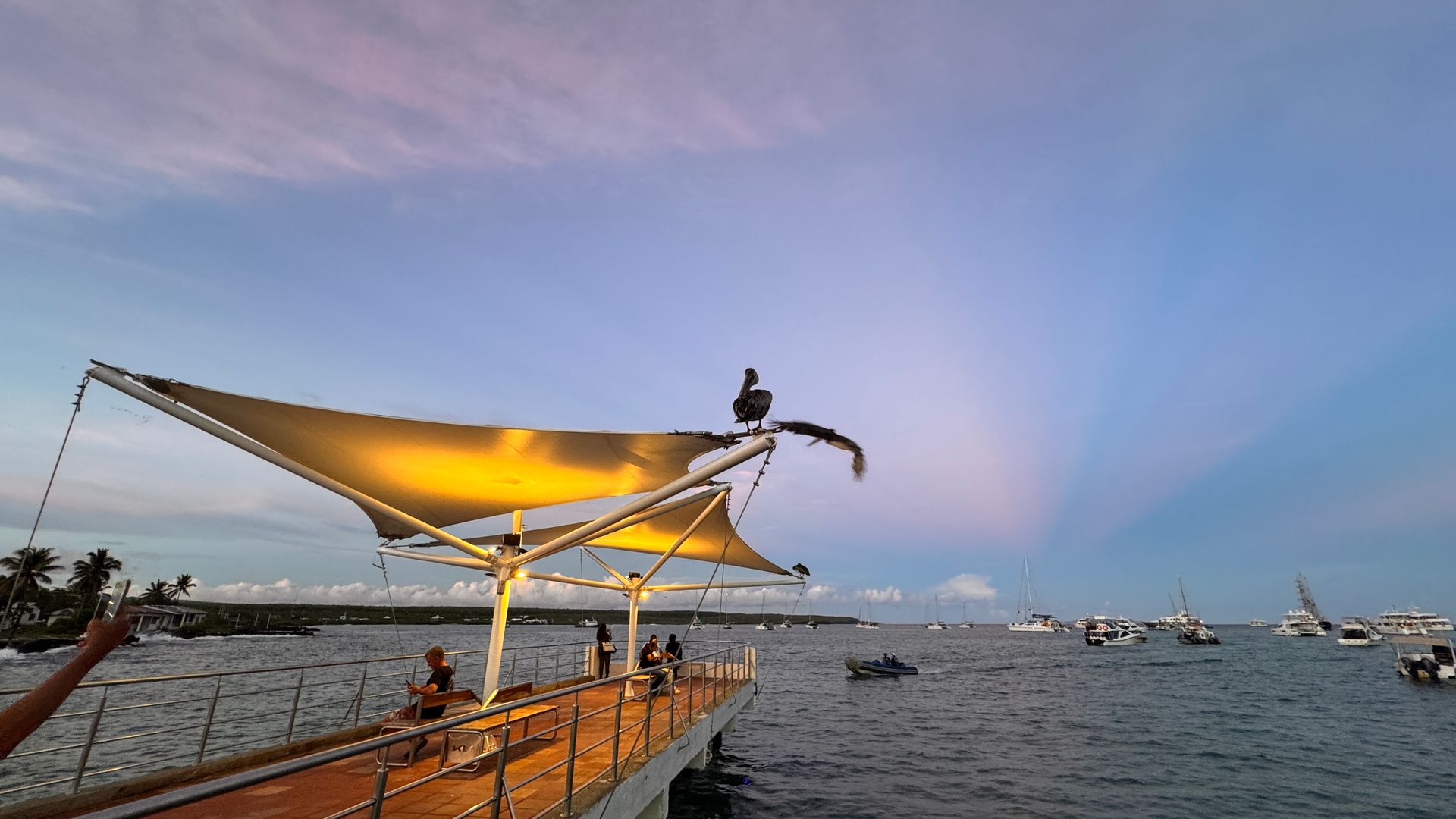
The piers can also be busy places, with travelers, taxis, tour boats, and wildlife sharing the waterfront. Give yourself enough time to find the correct departure point without rushing.
After arriving at your destination island, don't immediately schedule another activity. Boats can run late, sea conditions can affect travel time, and luggage distribution takes time.
Instead, consider a flexible arrival plan: check into your accommodation, take a walk, have a relaxed meal, or simply rest.
This is one reason many independent travelers prefer spending several nights on each island rather than changing accommodations every day. Santa Cruz, Isabela, and San Cristóbal each offer enough experiences to justify slowing down.
Build Your Island-Hopping Itinerary Around Your Ferry Days
A common mistake is trying to fit too much into a Galápagos itinerary.
If you take a morning ferry, you may be tired when you arrive. If you take an afternoon ferry, you may lose much of the day's sightseeing time. Either way, it is worth treating transportation as part of your schedule rather than something that happens between activities.
For travelers staying in Puerto Ayora, Santa Cruz can serve as a comfortable home base for exploring the island and taking selected day trips.
Our guide to the best Santa Cruz Island day trips can help you identify experiences that work well with a land-based itinerary.
If you are planning to travel between multiple islands, leave enough time between ferry arrivals and your next major activity. A slower itinerary often produces a better vacation than trying to visit every possible destination.
When Flying May Be the Better Choice
Ferries are generally the most accessible option for island-hopping, but they are not ideal for every traveler.
A small inter-island flight may be worth considering if you:
- Are particularly sensitive to motion sickness
- Are traveling with a very young child
- Have limited vacation time
- Prefer to avoid a long open-water crossing
- Want to experience a different perspective of the islands
The trade-off is that flights can cost more and may have stricter luggage limitations and limited schedules.
For some travelers, combining transportation methods can make sense—for example, taking a ferry in one direction and flying on another leg.
The right choice depends on your budget, comfort level, itinerary, and how much flexibility you have.
A Calmer Way to Island-Hop
The easiest Galápagos itinerary is rarely the one that squeezes the most islands into the fewest days.
Reserve ferry seats early when your travel dates are firm. Build in extra time around crossings, pack for changing sea conditions, and avoid scheduling important activities immediately after arrival.
Most importantly, allow your itinerary to breathe.
With your ferry tickets organized, luggage prepared, and no rushed plans waiting at the other end, the journey between islands becomes part of the Galápagos experience rather than a source of stress.
From the deck of a speedboat, you may see seabirds skimming the water, distant volcanic landscapes appearing on the horizon, or a sea lion resting near the harbor as you arrive.
That is island travel at its best: organized enough to feel easy, but flexible enough to leave room for discovery.
Your Galápagos Home Base
If Puerto Ayora is part of your itinerary, Torre Mar Galapagos Boutique Suites offers a comfortable home base for exploring Santa Cruz and planning your next island adventure.
A spacious suite, practical amenities, and local knowledge can make the logistics of a land-based Galápagos vacation much easier.
After all, the goal isn't simply to get from one island to another. It's to enjoy the journey along the way.