How to Arrange Galapagos Ferry Tickets Easily
Choose your route around your travel style

A ferry day in the Galápagos often begins before the sun is high: a short walk or taxi to the pier, bags checked, a water taxi crossing the harbor, and the satisfying feeling that another island is waiting just ahead. To arrange Galapagos ferry tickets well, it helps to see the journey as more than a simple boat ride. Departure times, luggage, pier fees, hotel check-out, and the sea conditions all shape how relaxed the day feels.
For independent travelers, ferries make it possible to pair Santa Cruz with Isabela or San Cristóbal without committing to a cruise itinerary. With a little local planning, island-hopping can feel wonderfully flexible while still leaving room for the unhurried moments that make the Galápagos special.
Understand which Galápagos boat you need
Travelers sometimes use the word “ferry” for several different boat trips, and knowing the difference prevents confusion when making arrangements.
The short canal crossing between Baltra Airport and Santa Cruz is not the same as an inter-island ferry. After landing at Baltra, visitors take a small passenger boat across the Itabaca Channel, then continue overland to Puerto Ayora. This crossing is part of the standard airport-to-town route and is quick, but it still needs to be included in your arrival and departure transfer plan.
Inter-island ferries, often called speedboats or lanchas locally, connect the inhabited islands. The most common routes are Puerto Ayora on Santa Cruz to Puerto Baquerizo Moreno on San Cristóbal, and Puerto Ayora to Puerto Villamil on Isabela. These crossings generally take around two hours, depending on the route and sea conditions. There are also ferries from Puerto Ayora to Puerto Velasco Ibarra on Floreana. The crossing is about one and a half hours.
A day-tour boat is different again. It may visit an uninhabited island and return to the same port that afternoon. Its schedule, vessel type, and booking process are separate from inter-island transportation. Before reserving anything, make sure the ticket is for a transfer between islands, not a sightseeing excursion.
When to arrange Galapagos ferry tickets
It is wise to arrange Galapagos ferry tickets once your flights, accommodations, and key tours are in place. Ferries often operate morning and afternoon departures, but exact times, operators, and availability can change. During holiday periods, school breaks, and busy travel months, the most convenient departures can fill earlier than expected.
That said, booking every ferry far in advance is not always the best choice. A land-based Galápagos trip has its own rhythm, and travelers often enjoy leaving room for a beach day, a wildlife tour, or an extra morning in a favorite town. The right timing depends on your itinerary.
If you have a fixed flight from another island, a prepaid tour, or only a few nights available, reserve the connecting ferry early. If your schedule has flexibility and you are traveling in a quieter period, a shorter planning window may work well. The key is not to leave a same-day connection to chance. Inter-island ferries can be affected by weather, operational changes, and the realities of island life.
For a first visit, arranging tickets with help from a trusted local host can remove a surprising amount of uncertainty. At Torre Mar Galapagos Boutique Suites, guests can receive ferry-ticket assistance as part of their stay, along with practical guidance on transfers and departure timing. It is the kind of detail that lets you enjoy breakfast and a final walk through Puerto Ayora rather than spending the morning searching for the right ticket desk.
Choose your route around your travel style
Santa Cruz is the natural hub for many independent itineraries. Its central location, range of tours, restaurants, and access to the highlands make it an easy place to begin or end a trip. From here, travelers often add Isabela for quiet beaches, snorkeling, and a slower pace, or San Cristóbal for its waterfront wildlife, coastal trails, and close connection to the airport.
A three-island itinerary is possible, but it is not automatically better. Every ferry transfer takes a meaningful part of the day once you include hotel check-out, getting to the pier, boarding, arrival procedures, and the ride to your next accommodation. For a shorter visit, two islands can offer a richer experience than trying to move every other day.
Families with young children, travelers prone to motion sickness, and guests carrying significant luggage may prefer fewer crossings. On the other hand, confident travelers with a week or more can enjoy the contrast between islands. Santa Cruz feels lively and central, Isabela feels spacious and laid-back, and San Cristóbal has its own distinctive harbor-town character. Floreana has a character all its own.
Whenever possible, avoid planning an international flight on the same day as an inter-island ferry. Staying near your departure airport the night before gives you a calmer buffer if boat schedules shift.
What ferry day is really like
Inter-island ferry travel in the Galápagos is practical rather than luxurious. Most vessels are enclosed speedboats with assigned or available seating, and the ride can be bumpy, especially when the ocean is choppy. Some travelers sleep through it; others find it to be the most challenging part of an otherwise easygoing trip.
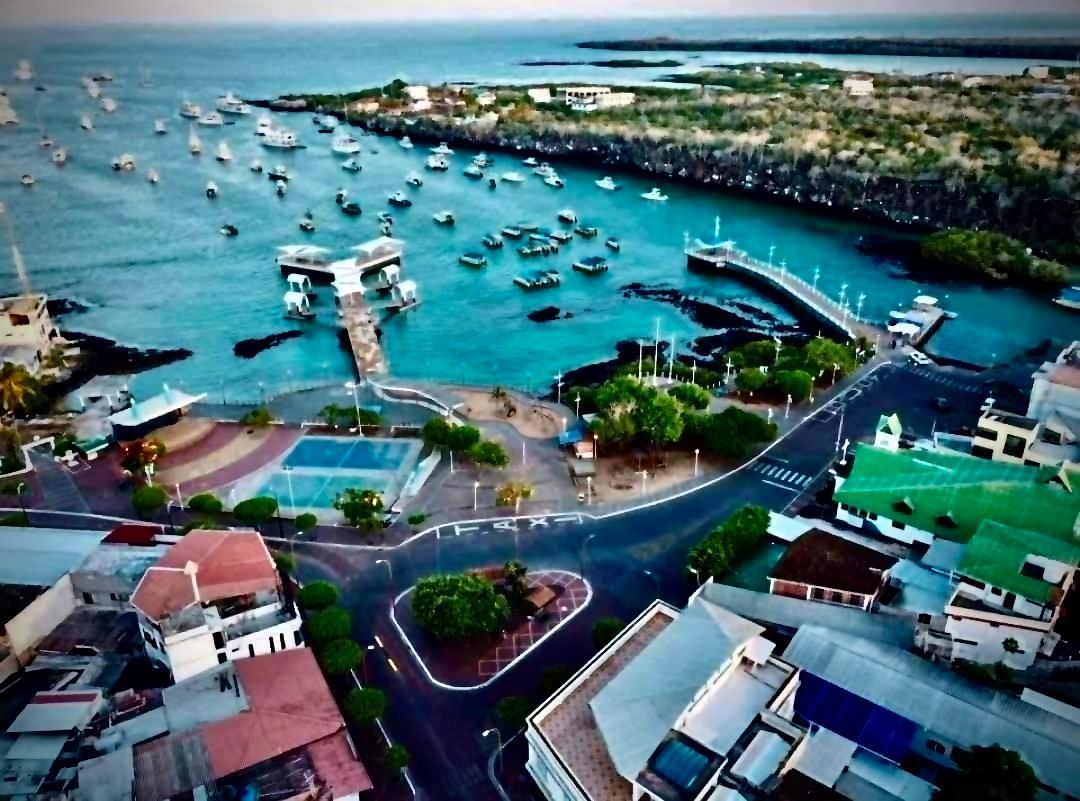
Arrive at the pier with time to spare. You need to check in, luggage is inspected by bio-security, pay any applicable local fees, and take a short water taxi from the harbor to the speedboat. At some ports, the vessel waits offshore rather than directly at the dock. This is normal, but it means boarding can involve stepping between boats, sometimes with assistance from the crew.
Luggage allowances vary by operator, so confirm the current policy when you reserve. Many services have a checked-bag limit and allow a smaller personal item, but extra or oversized luggage may require an additional fee or special approval. Pack medicines, cameras, passports, phones, and a light layer in the bag you keep with you.
Bring cash in small bills. Water taxis, minor pier charges, and small purchases do not always work the same way as they do in a large city. A reusable water bottle, sunscreen, and motion-sickness medication can also make the crossing more comfortable. Even on a sunny morning, a light rain jacket is useful because sea spray and changing weather are part of the experience.
Make the crossing easier on your body
If you are sensitive to motion, take preventive steps before the boat leaves. Choose motion-sickness medication that you have used safely before, following advice from your medical professional or pharmacist. Taking it after you already feel unwell is often less effective than taking it beforehand.
During the ride, sit toward the middle of the boat when possible, keep your eyes on the horizon, and avoid reading. Eat a light meal beforehand rather than traveling on a completely empty stomach or after a heavy breakfast. Fresh air can help, although seating options differ from boat to boat.
Sea conditions can be notably rougher at certain times of year and on certain routes. No one can promise a perfectly calm crossing, so it is best to approach ferry travel with realistic expectations. For travelers who strongly prefer to avoid open-water transfers, an itinerary focused on one island, combined with day tours, may be the more enjoyable choice.
Plan your arrival, not just your ticket
A ferry ticket gets you to the harbor, but the rest of the arrival matters too. Confirm how you will reach your next hotel from the pier, especially if you arrive with children, larger bags, or after dark. On Isabela and San Cristóbal, accommodations are often close to town, but a prearranged pickup can still feel reassuring after a long ride.
On Santa Cruz, schedule enough time to settle in before a dinner reservation or evening activity. Puerto Ayora is welcoming and walkable, yet the day can feel long after an early departure from another island. A comfortable suite, purified drinking water, a kitchen for simple snacks, and a quiet place to rest can make the transition feel much more like arriving home than merely checking in.
Before leaving your first island, confirm your return ticket, departure pier, luggage rules, and the recommended check-in time. Save a photo of your booking details on your phone and keep your passport accessible. Small preparations matter because internet service and mobile reception can be less reliable than visitors expect.
A flexible plan makes room for island life
The best Galápagos itineraries are organized enough to protect your connections and open enough to welcome a change of pace. Arrange the ferry that supports your most important plans, give yourself breathing room around flights, and do not pack every transfer day with activities.
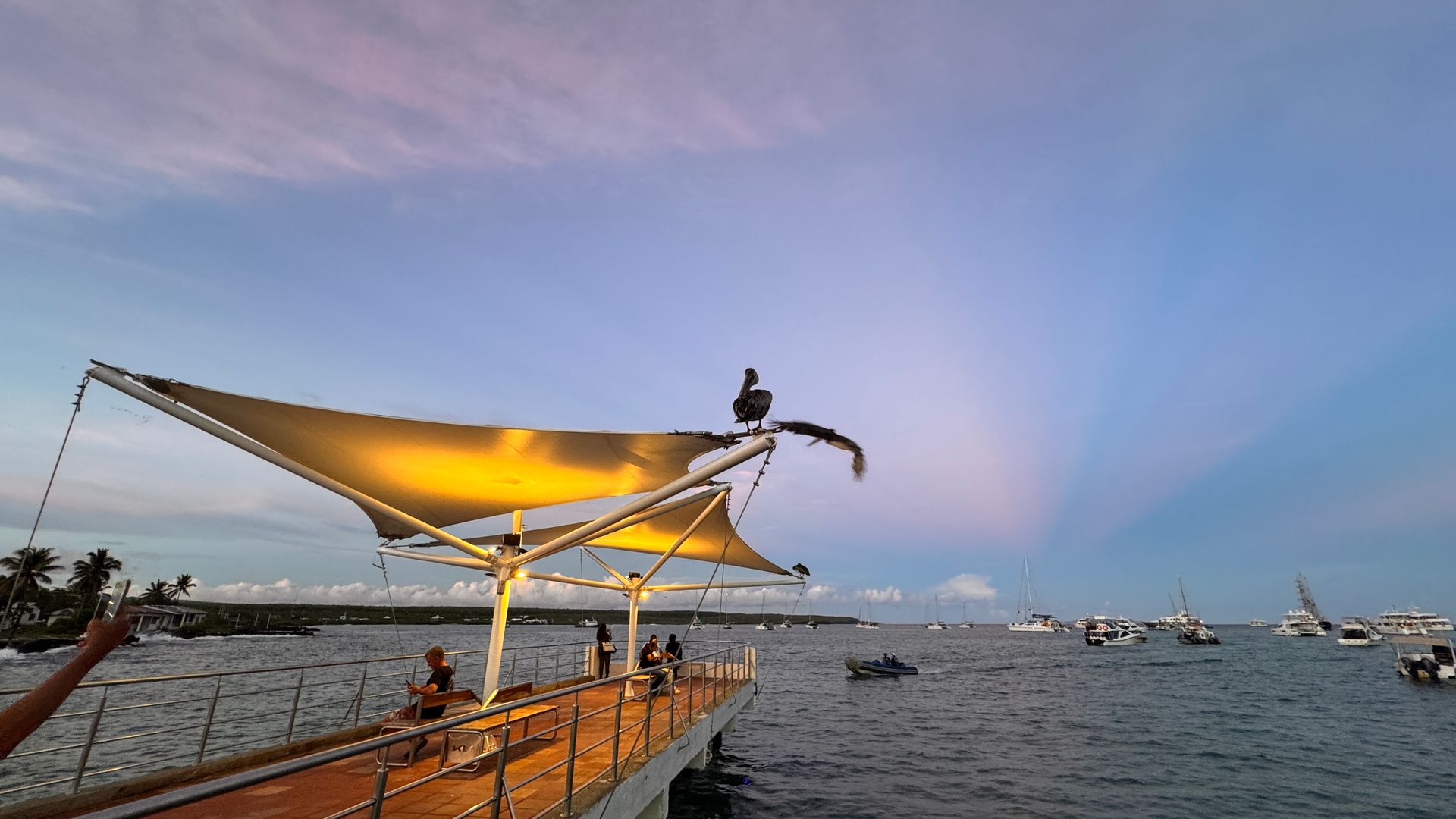
Then let the journey be part of the memory: pelicans drifting near the harbor, sea lions resting at the dock, and the first glimpse of your next island from the water. With the practical details handled, you are free to travel as the Galápagos invites you to travel - with curiosity, care, and time to feel at home.