Airport Transfer for Galápagos Arrivals
A confident beginning to your island stay
Your Galápagos arrival begins before you see the giant tortoises or set foot on a beach. After landing at Baltra Airport, travelers cross the island by shuttle, ferry, and vehicle before reaching Puerto Ayora. That makes airport transfer safety more than a question of choosing a car. It is about having a clear plan for every handoff, especially after a long flight, with children, luggage, or an unfamiliar arrival schedule.
The route is well traveled and straightforward when it is arranged properly. Still, Baltra is not an airport where visitors simply walk outside and find a hotel taxi waiting at the curb. A little preparation helps you arrive calm, keep your belongings close, and start your island stay feeling cared for.
Why Baltra arrivals need a transfer plan
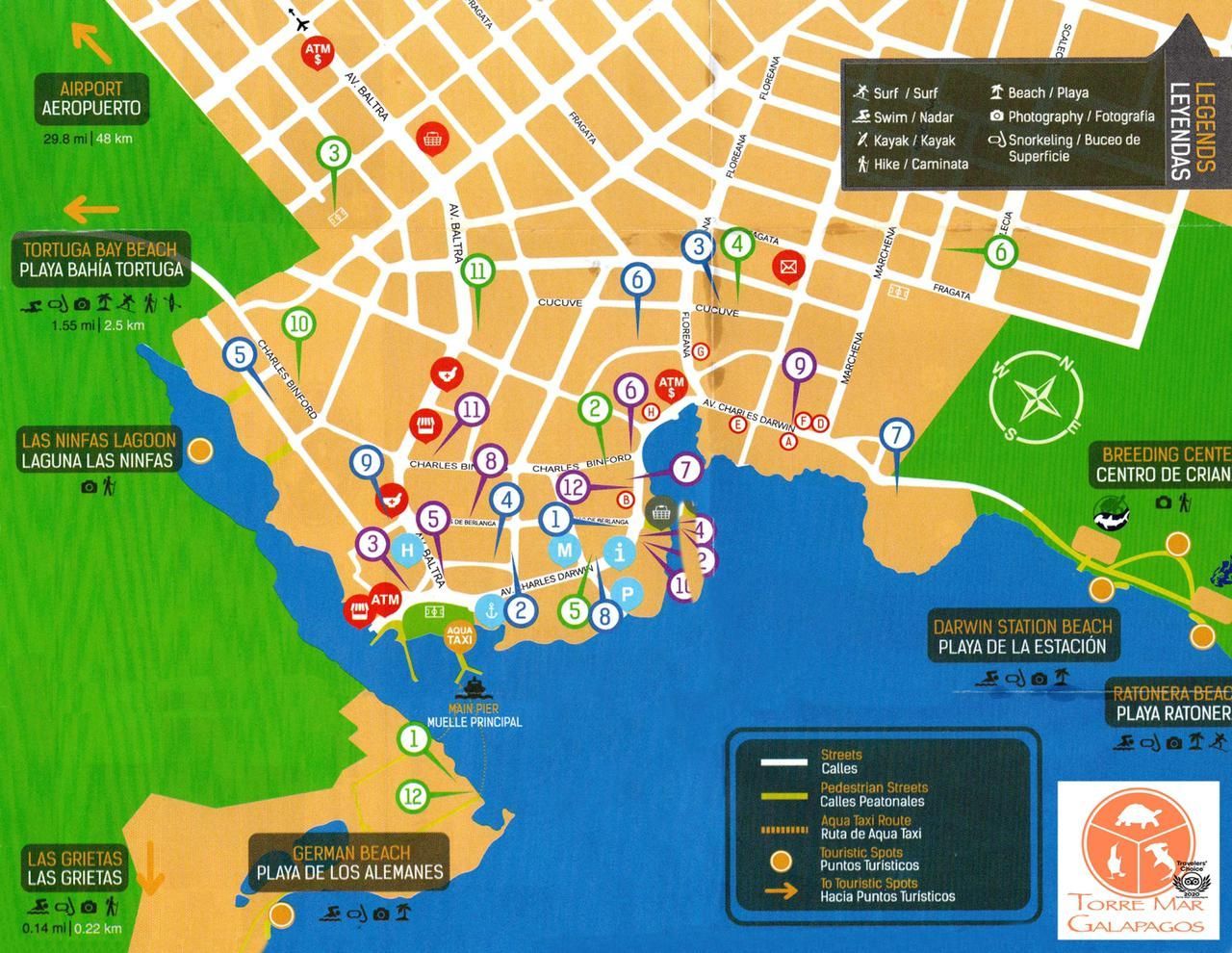
Baltra Airport sits on a small island north of Santa Cruz, while Puerto Ayora is on the southern side of Santa Cruz. Between them are several stages: the airport shuttle toward the channel, a short ferry crossing, and a land transfer across Santa Cruz. Depending on timing and traffic, the full journey commonly takes around an hour to an hour and a half.
This multi-step journey is part of the Galápagos experience, but it also explains why confirmed arrangements matter. If a flight is delayed, if rain is falling, or if several flights arrive close together, an unplanned transfer can mean more waiting and more decisions while managing bags in a busy area. Independent travelers do not need to give up flexibility. They simply benefit from knowing who is meeting them, where the meeting point is, and what is included.
A hotel-arranged transfer or a trusted local provider can coordinate the route from Baltra to Puerto Ayora and explain each step before you land. At Torre Mar Galapagos Boutique Suites, guests can receive transfer assistance and practical arrival guidance, so the first day feels less like a logistics puzzle and more like the beginning of a stay among friends.
Airport transfer starts before departure
The best safe measure is confirmation. Before traveling, ask for the name of the driver or transfer company, a local contact number, the meeting location, and the expected cost. Clarify whether the price includes the airport bus, ferry crossing, luggage handling, and final ride to your accommodation. Different services may package these elements differently, so a lower quoted price is not always the simpler choice.
Flight details are equally useful. Share your airline, flight number, and scheduled arrival time with your transfer provider. A reputable local driver will understand that island flights can shift and will have a process for monitoring or responding to delays. Save the provider's contact information in your phone, but also keep a screenshot or written copy. Cellular service and Wi-Fi may not be immediately available when you need them.
It also helps to tell your provider about any needs that could affect the ride. Families may need help with a stroller or extra bags. Travelers with mobility concerns may prefer a more direct, assisted connection between the ferry dock and vehicle. If you are carrying camera equipment, dive gear, or supplies for a longer stay, mention it in advance. Good planning is not fussy. It lets local hosts arrange the right vehicle and pace for your group.
Confirm the meeting point, not just the driver
“Meet outside the airport” is too vague for a first-time visitor. Ask exactly where your driver or representative will be waiting and whether they will hold a sign with your name. In some arrangements, a driver meets guests after the channel crossing rather than at the airport itself. That can be perfectly normal, as long as you understand the instructions before arrival.
Be cautious with anyone who approaches you unexpectedly and offers a ride without being able to confirm your name, destination, or agreed details. This does not mean assuming the worst of every local person. The Galápagos depends on welcoming visitors, and most travel interactions are helpful. It simply means choosing the provider you researched rather than making a rushed decision because you are tired.
Keep luggage and valuables under your control
The Baltra-to-Puerto Ayora route involves loading and unloading bags more than once. Use luggage that closes securely, attach a visible tag with your name and contact information, and take a quick photo of your larger bags before you travel. A bright strap or distinctive tag can make it easier to identify your suitcase among similar luggage.
Keep passports, wallets, medications, electronics, travel documents, and any essential items in a small day bag that stays with you. Do not place these items in luggage that is loaded onto a shuttle or passed to a porter. If someone assists with a heavy suitcase, it is reasonable to watch where it goes and confirm that it is loaded into the correct vehicle.
Travelers sometimes worry that they must carry everything themselves to stay safe. That is not necessary, and it can make the journey harder. Local assistance is valuable, particularly on the ferry crossing or for families. The practical balance is simple: accept help with larger bags, while retaining your valuables and knowing the next destination for every piece of luggage.
Choose transportation for the actual conditions
Not every transfer option is right for every arrival. A shared transfer can be a good value and a pleasant choice for solo travelers or couples with light luggage. It may, however, include waiting for other passengers or several drop-offs in Puerto Ayora. A private transfer generally offers more direct support, greater flexibility for families, and easier coordination when arriving with bulky equipment or after a delayed flight.
The island road across Santa Cruz is paved and scenic, with changing landscapes from the dry coast to the lush highlands. Safe driving should feel unhurried. Wear a seat belt whenever one is available, avoid distracting a driver on winding stretches, and do not feel pressured to rush through the ferry or vehicle transitions. If weather affects visibility or the sea is choppy, a patient transfer is the right transfer.
For very early departures, confirm the pickup time the day before. Flights from Baltra require enough time for the land route, channel crossing, airport bus, check-in, and any applicable airport procedures. A dependable provider will build in a sensible cushion rather than suggesting a last-minute departure.
Small choices that make arrival easier
A few practical habits can make a noticeable difference during your first hour in the islands:
- Carry small U.S. dollar bills for transit fees, tips, or incidental purchases. Ecuador uses the U.S. dollar, but drivers and small vendors may not always have change for large notes.
- Dress for sun, warmth, and occasional rain. Keep water, sunscreen, a hat, and a light rain layer in your day bag rather than buried in a suitcase.
- Download or screenshot your accommodation address and transfer instructions before landing. Pronunciation and street names can be unfamiliar when you are tired.
- Tell a family member or friend your arrival plan, including the name of the accommodation or transfer provider.
These are not reasons to be anxious. They are the same sensible travel habits that make a complex arrival feel manageable anywhere in the world.
What to do if plans change
Flight delays, missed connections, and a misplaced bag can happen. When they do, communicate early. Contact your hotel or transfer provider as soon as you know your arrival time has changed, even if you are unsure of the final schedule. A short message allows them to adjust pickup plans and advise you on the next step.
If you cannot find your arranged contact, stay in a visible public area, check your written instructions, and call or message the number you saved. Avoid leaving with an unfamiliar driver simply because the wait feels inconvenient. If traveling as a group, choose one person to manage communication while the others stay with the luggage.
For lost luggage, follow the airline's procedure before leaving the airport area and make sure you have a claim reference. Keep a change of clothes, medications, and overnight essentials in your carry-on so a delayed suitcase does not disrupt the first evening of your trip.
A confident beginning to your island stay
Airport transfer is ultimately about replacing uncertainty with clear, local guidance. Confirm your ride, understand the Baltra route, keep essentials close, and give yourself permission to move at island pace. Once you reach Puerto Ayora, the journey opens into the quieter pleasures that brought you here: salt air, warm welcomes, and time to make the Galápagos your own. A well-planned arrival leaves you free to notice all of it.