A Multigenerational Galapagos Itinerary That Works
Choose activities with different energy levels

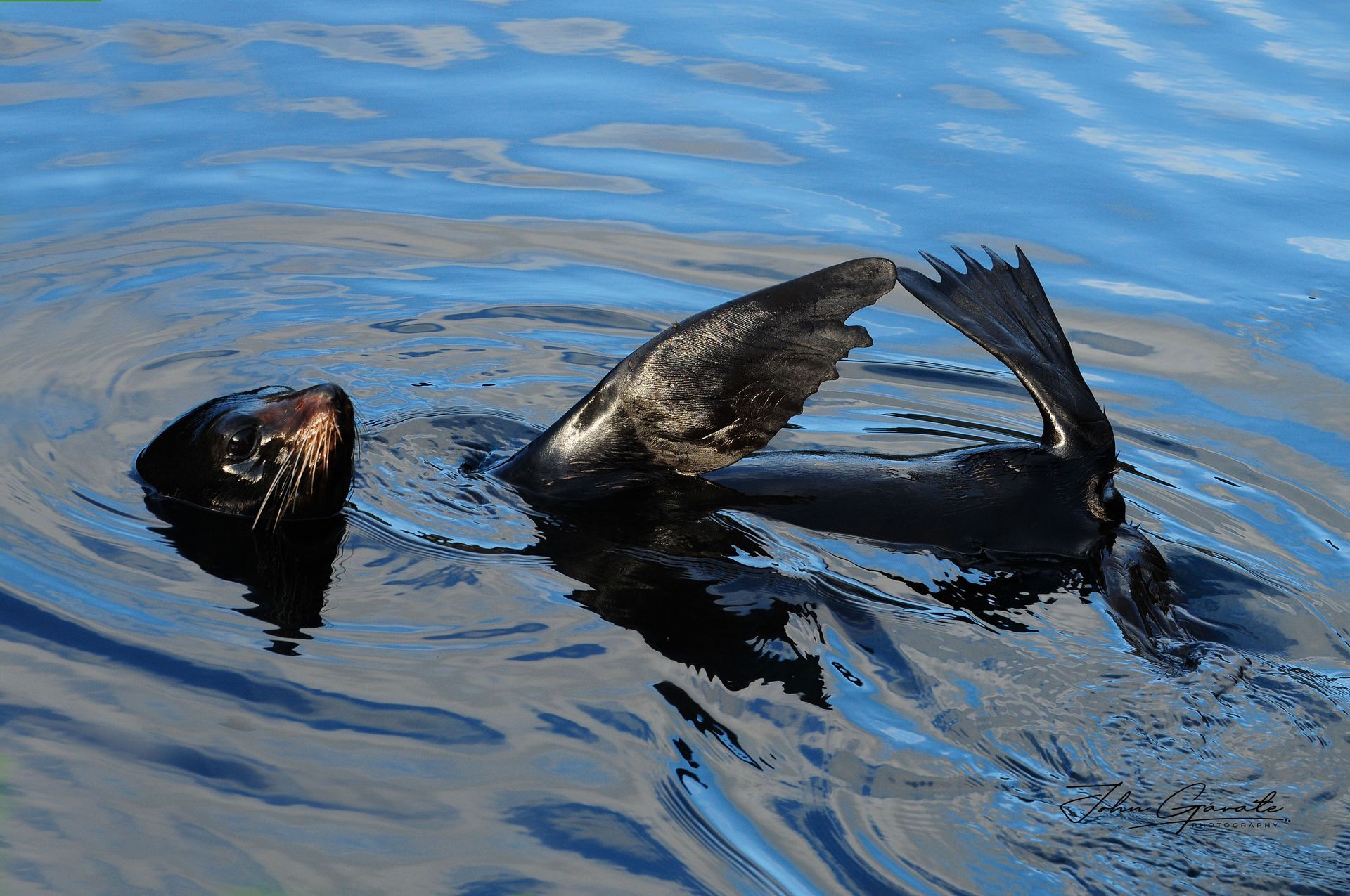
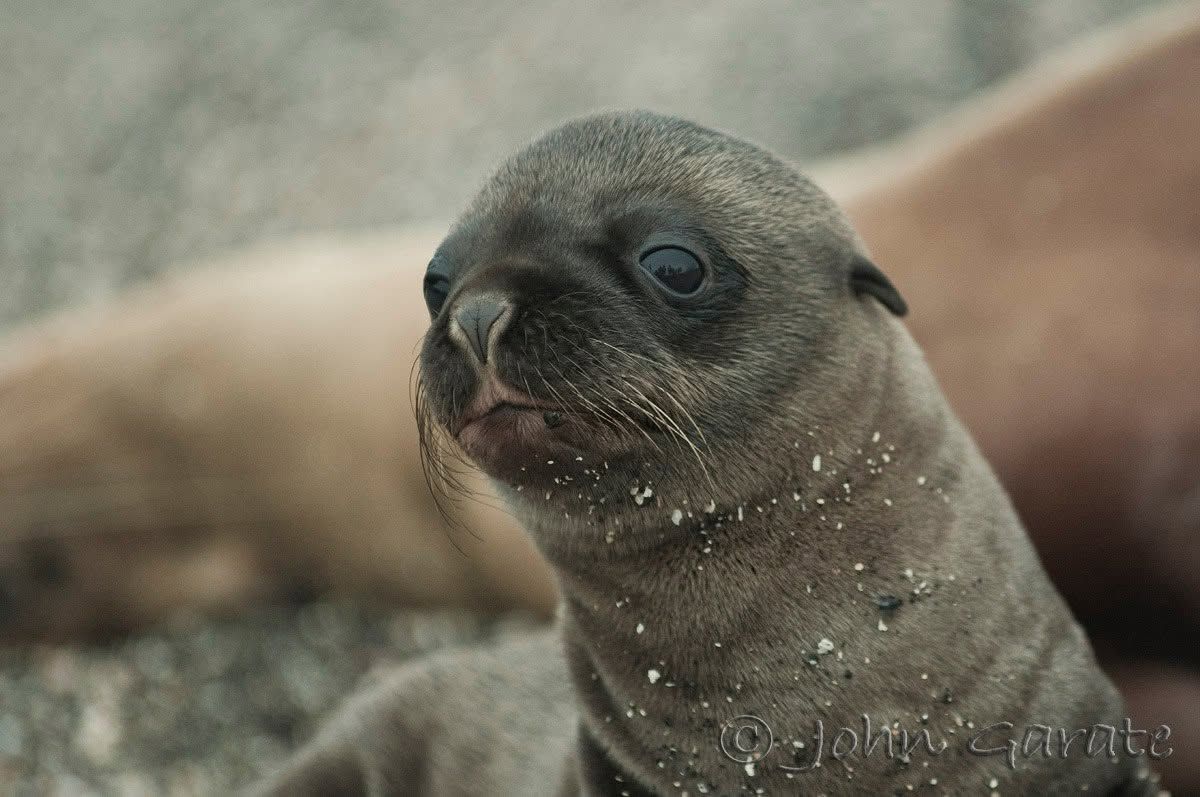
A child may remember the first sea lion that waddles across the sand. A grandparent may remember the quiet of a mangrove lagoon at sunrise. Parents tend to remember the moment everyone is happily tired, well fed, and headed back to a comfortable place to rest. A successful multigenerational Galapagos itinerary makes room for all of those moments without asking every traveler to move at the same speed.
The Galapagos is wonderfully suited to family travel, but it rewards thoughtful pacing. Distances can be longer than they look, boat rides can be tiring, and the tropical sun asks more of everyone, especially younger children and older adults. The answer is not to fill every hour. It is to build a plan with a reliable home base, a few extraordinary experiences, and enough open time for the island to feel enjoyable rather than rushed.
Start with Santa Cruz as your home base
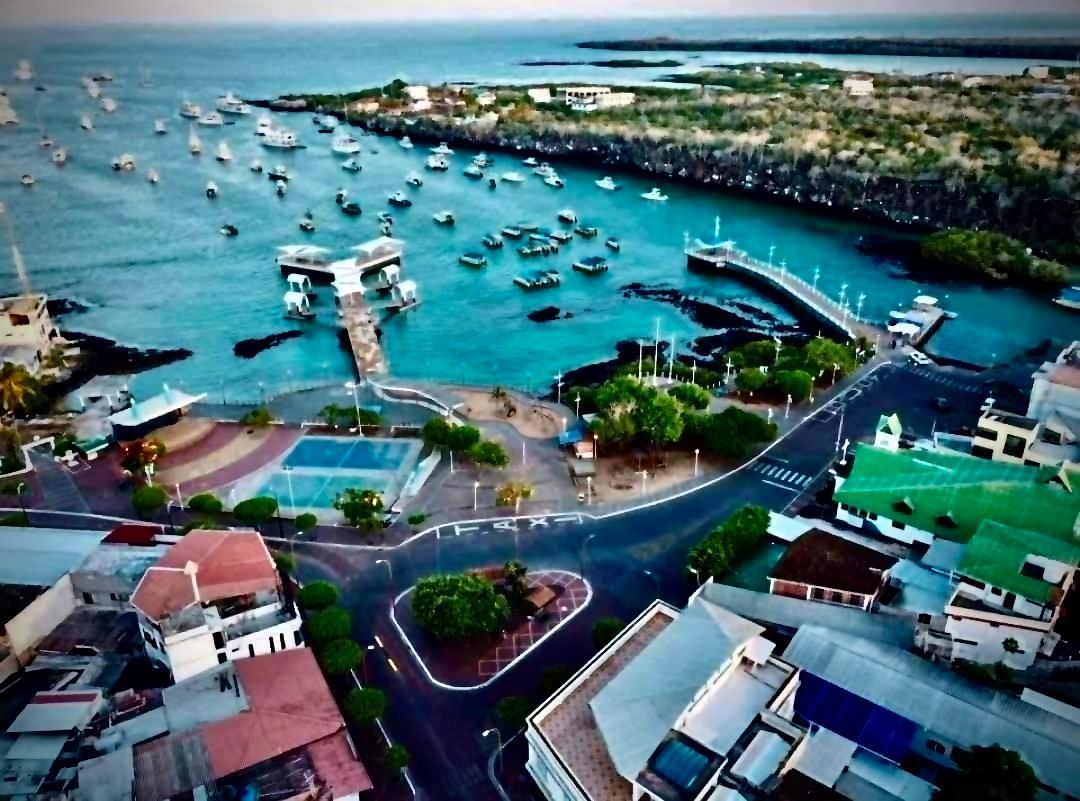
For many families, Santa Cruz is the most practical island for a land-based stay. It offers the widest selection of restaurants, shops, medical services, guides, and day-trip options, while Puerto Ayora provides an easygoing town atmosphere between adventures. It also gives families the freedom to choose activities day by day rather than follow a fixed cruise schedule.
A home base matters even more when several generations are traveling together. Instead of changing rooms, unpacking bags, and coordinating everyone through ferry transfers every other morning, your family can settle in and create a gentler rhythm. Some relatives might enjoy a slow breakfast and a waterfront walk while others set out early for snorkeling or kayaking.
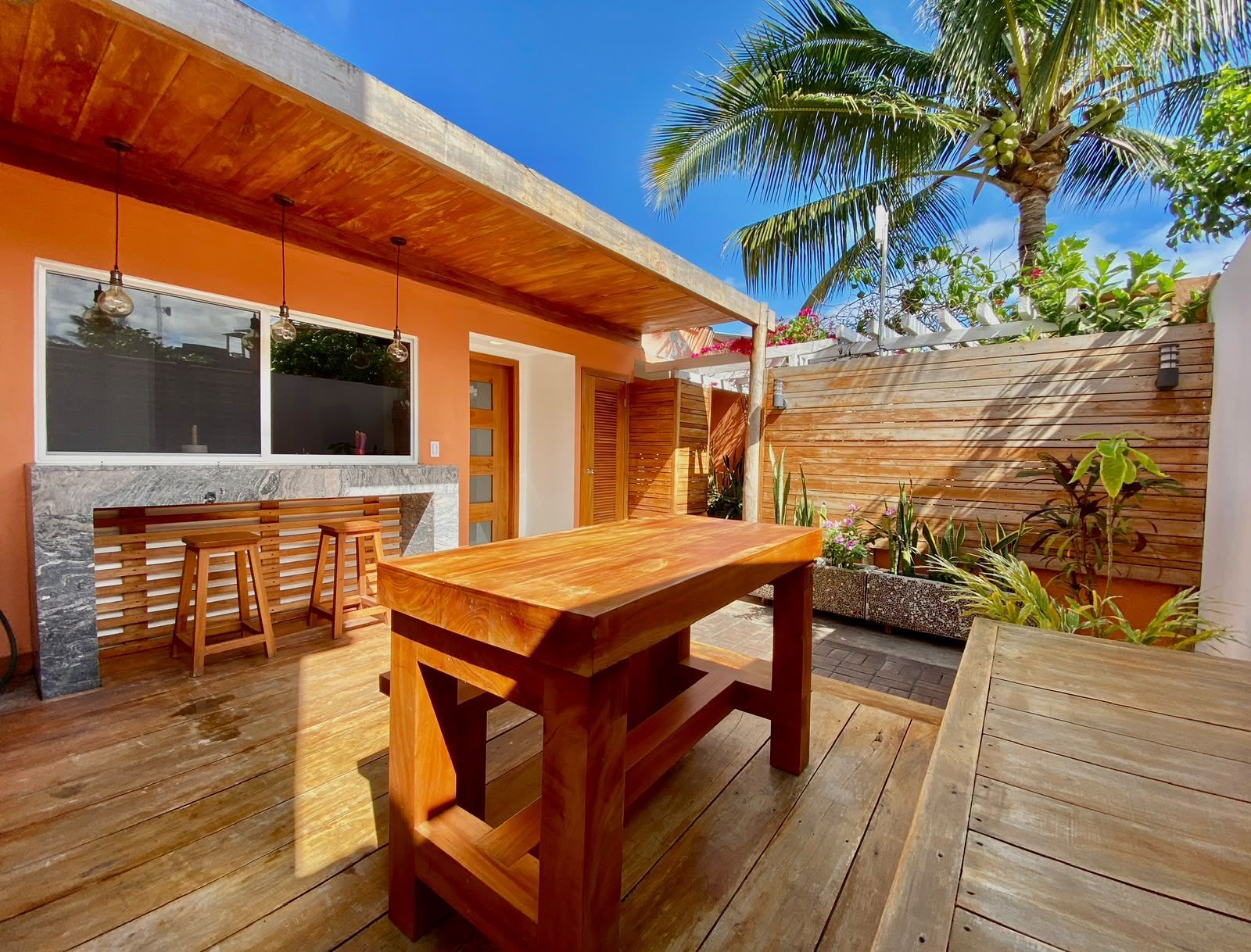
Apartment-style hotel accommodations can make this rhythm much easier. Separate bedrooms offer privacy, a living room gives the group somewhere to gather, and a kitchen is especially helpful for early coffee, familiar snacks, dietary needs, and meals on a quiet evening. At Torre Mar Galapagos Boutique Suites, families can choose spacious suites that allow everyone to stay close while still having room to breathe.
Plan fewer major activities than you think you need
The most common mistake in a multigenerational trip is trying to see every island and every famous site in one visit. The Galapagos is not a destination that rewards checking boxes. Wildlife encounters are often the most meaningful when there is time to pause, watch, and let children ask questions.
For a seven-night stay, plan three or four major excursions, then protect the remaining days for shorter outings, rest, and spontaneous discoveries. If your trip is shorter, reduce the activity count rather than squeezing more into each day.
A good daily pattern is one main experience followed by an unplanned afternoon or evening. That might mean a morning boat trip and a relaxed lunch in town, or an early visit to the highlands followed by time at the pool or a nap before dinner. Families often find that this relaxed structure keeps everyone in better spirits than a tightly scheduled itinerary.
Choose activities with different energy levels
Not every excursion needs to suit every person equally. A multigenerational itinerary works best when the group occasionally divides according to interests and comfort levels, then reunites to share stories over dinner.
Active teens and adults may want a full-day snorkeling excursion to a nearby island, while grandparents or young children may prefer a shorter bay tour, a glass-bottom boat, or a visit to a beach with easy access. These are not lesser experiences. A calm morning watching marine iguanas, blue-footed boobies, and sea lions can be just as memorable as a longer offshore adventure.
Before confirming any boat trip, ask about the ride length, boarding conditions, bathroom access, shade, meal service, and snorkeling requirements. Sea conditions vary, and a trip that looks perfect on paper may not be comfortable for someone prone to motion sickness or limited mobility. The right excursion is the one your group can enjoy, not simply endure.
A flexible seven-night Galapagos itinerary
A week based on Santa Cruz gives most families enough time to experience the islands without racing through them. Arrival and departure schedules will shape the details, so treat this as a framework rather than a fixed promise.
Day 1: Arrive, settle in, and keep the evening easy
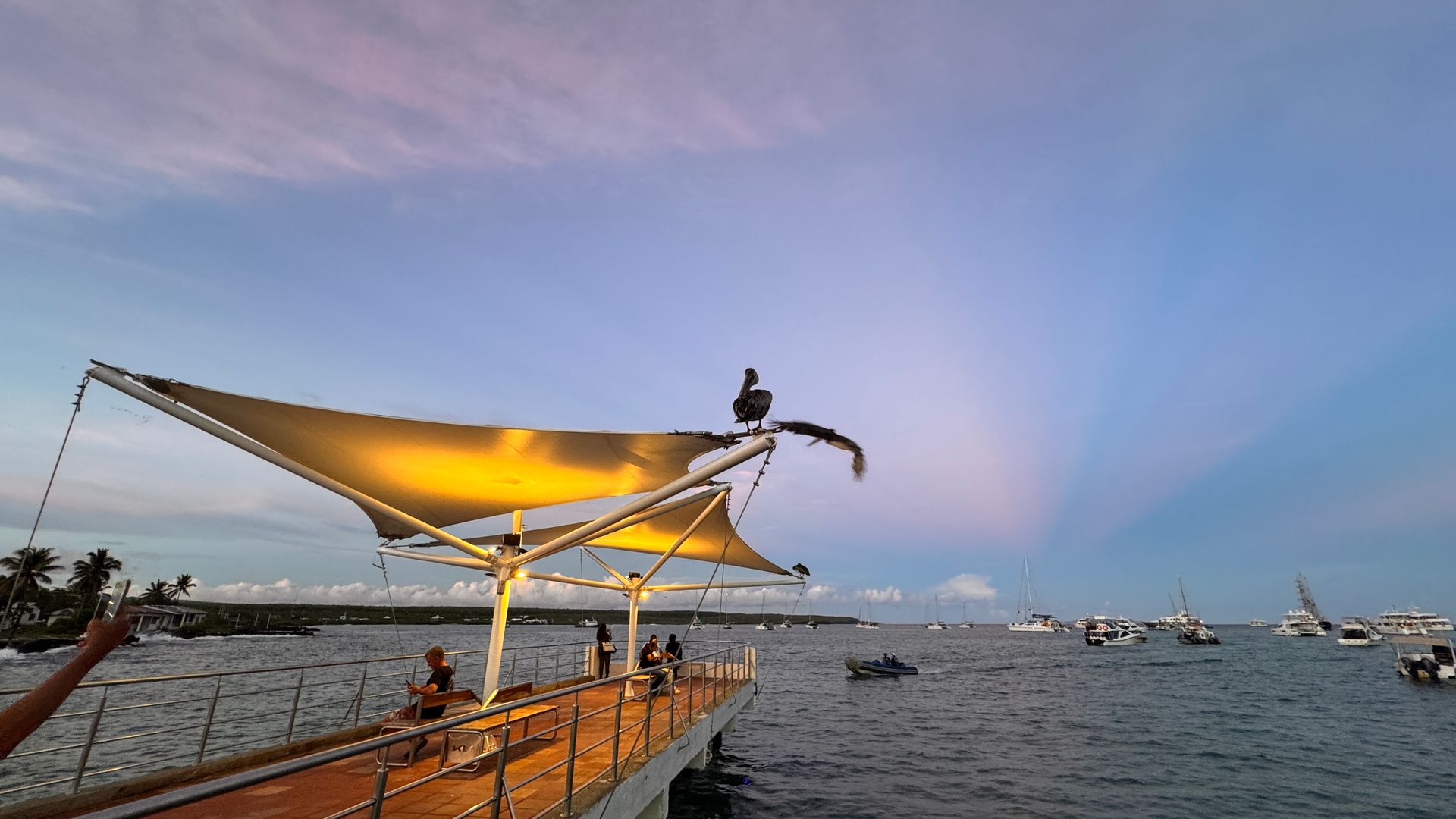
Travel from Baltra Airport to Puerto Ayora includes a short transfer, a channel crossing, and a drive across Santa Cruz. After a travel day, avoid planning a tour. Settle into your accommodation, pick up groceries or favorite snacks, and take a gentle walk along the Puerto Ayora waterfront.
A simple dinner close to home is often the best first-night plan. Everyone has arrived, and that is enough.
Day 2: Meet the wildlife close to town
Begin with an accessible introduction to Santa Cruz. The Charles Darwin area and nearby pathways are a good way to see giant tortoises and land iguanas while getting oriented. Later, visit Tortuga Bay if the group is comfortable with the walk, or choose a shorter beach stop and a relaxed afternoon in town.
For families with very young children, older adults, or anyone managing heat sensitivity, start early and bring water, hats, and sun protection. Midday is better reserved for lunch and rest.
Day 3: Choose a shared water experience
A half-day or full-day bay excursion can be an excellent group activity because it introduces the marine world without necessarily requiring a long open-water crossing. Depending on the route and conditions, families may see sea turtles, rays, reef fish, sea lions, and birds along the coast.
Those who want to snorkel can enter the water, while others may enjoy the scenery from the boat or shoreline. Confirm in advance whether flotation devices, wetsuits, and beginner-friendly guidance are available.
Day 4: Leave room for a slow island day
This is the day many travelers are tempted to fill. Resist the urge. Sleep in, enjoy a special breakfast, browse local shops, or spend time at a nearby beach. A slower day gives grandparents time to recharge and gives children room to simply be children.
It also creates a useful weather buffer. If a tour has to move because of sea conditions, this open day can make the entire itinerary more forgiving.
Day 5: Explore the Santa Cruz highlands
The highlands provide a completely different Galapagos landscape: lush vegetation, volcanic formations, and giant tortoises moving through their natural environment. A private or small-group highlands tour is often a particularly good choice for multigenerational families because the pace can be adjusted.
Ask your guide to include stops that match your family’s mobility and interests. Some visitors are eager for lava tunnels; others are happiest spending extra time observing tortoises at a comfortable pace. Both choices are valid.
Day 6: Make it a split-interest day
By now, each traveler may have a clearer idea of what they want most. One part of the group might take a day trip to another island, while another chooses a quieter beach, a guided nature walk, or a return visit to a favorite place in Puerto Ayora.
Building in one split day is often the secret to a happier family trip. It avoids the pressure of forcing a single activity onto everyone and gives each person a little ownership of the vacation.
Day 7: Return to a family favorite
Use the final full day for what your group loved most. It could be a second snorkeling outing, a peaceful morning at Las Grietas, a highlands visit, or simply time together over a long lunch. Returning to a place often feels more personal than adding one last rushed attraction.
Choose an easy final dinner, pack before bedtime, and arrange transfers ahead of time. Small practical details make departure morning much calmer.
Build around comfort, not compromise
A family trip should not require grandparents to sacrifice comfort or parents to spend the whole week managing logistics. When choosing where to stay and how to move around, look for details that reduce daily friction: ground-floor or accessible options where needed, separate sleeping spaces, air conditioning, purified drinking water, reliable Wi-Fi, and support with transfers and ferry tickets.
Food deserves planning, too. The Galapagos has excellent local dining, but children may want familiar options after an active day, and some travelers need more control over dietary restrictions. Having a kitchen and keeping breakfast basics, fruit, and snacks on hand can prevent small hunger problems from becoming big family problems.
It helps to appoint one person as the point of contact for bookings while still asking everyone what matters most to them. A teenager may care about snorkeling with sea lions. A grandparent may care about seeing giant tortoises without a strenuous walk. Parents may care most about having everyone together for dinner. Knowing these priorities early makes choices simpler.
Let the islands set the pace
The most memorable Galapagos trips are rarely the ones with the fullest calendars. They are the ones where a child has time to watch a crab disappear between black lava rocks, where a grandparent can sit comfortably in the shade, and where the family has enough energy left to laugh over dinner.
Plan with care, leave room for rest, and trust that the islands will provide more than enough wonder. That is how a group traveling as several generations begins to feel like one family on an adventure.