Plan Child Friendly Galapagos Days With Ease
Start with a family-friendly home base
A child spots a marine iguana sunning itself beside the path, then asks a question no adult could have anticipated: Does it know it looks like a tiny dragon? That is the magic of a family trip here. When you plan child friendly Galapagos days around curiosity rather than a packed checklist, ordinary moments become the stories everyone brings home.
The islands are wonderfully suited to families, but they do ask for a little thoughtful pacing. Sun, saltwater, boat rides, uneven paths, ferry schedules, and the excitement of seeing animals everywhere can wear out even enthusiastic young explorers. The best itinerary leaves room for a slow breakfast, an early return to the suite, and the freedom to change plans when a beach day turns out to be exactly what your family needs.
Start with a family-friendly home base
A land-based stay on Santa Cruz gives families something cruises rarely can: a familiar place to come back to each day. Children can reset in their own space, parents can make a simple snack or early dinner, and everyone can sleep without needing to keep up with a moving schedule.
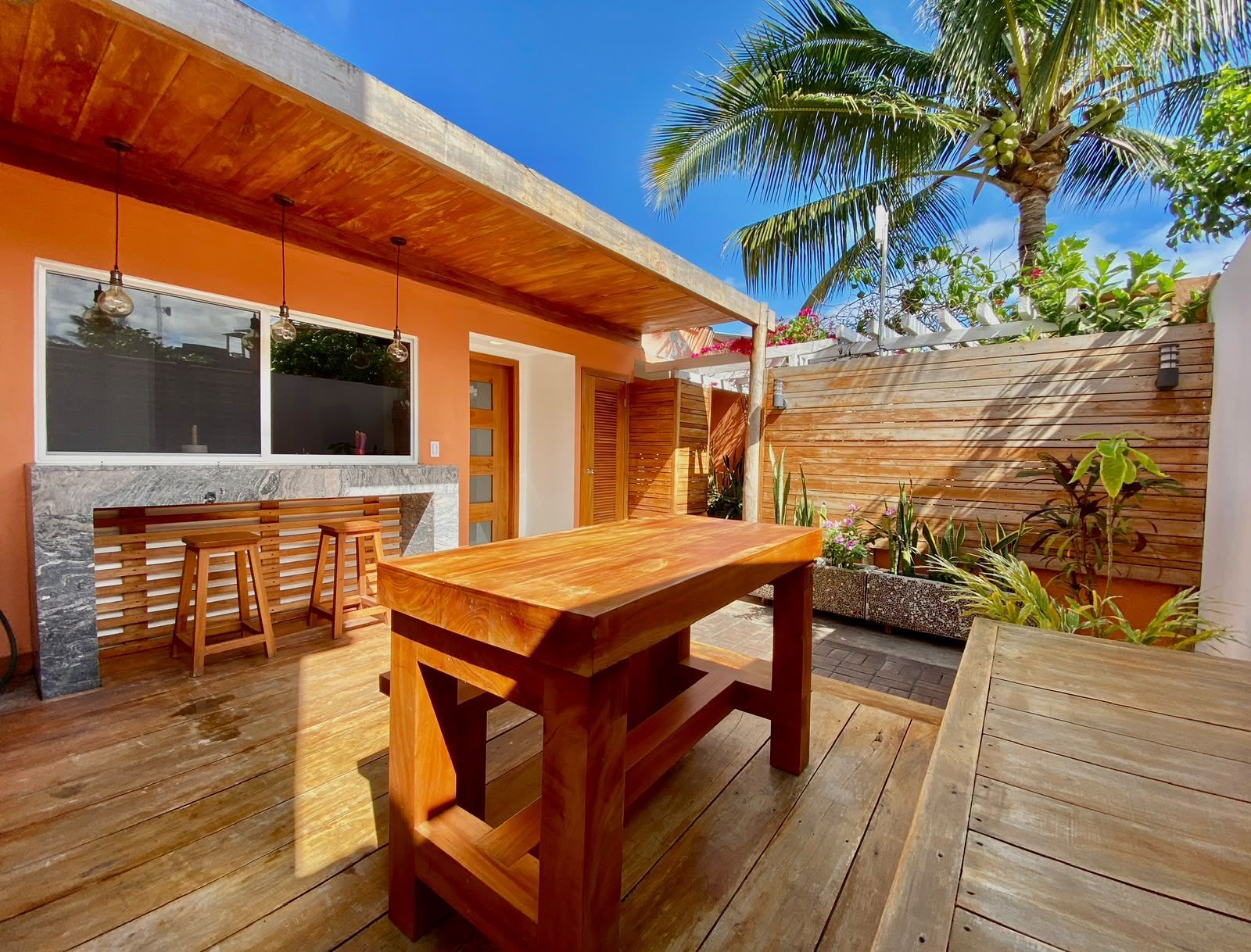
Apartment-style hotel accommodations are especially helpful for multigenerational groups or families traveling with younger children. Akitchen means familiar breakfasts and easy hydration before an excursion. Separate living and sleeping areas allow an early bedtime without sending adults to sit silently in the dark. Purified drinking water, beach towels, reliable Wi-Fi, and a peaceful setting may sound like small details, but they make a real difference after a full island day.
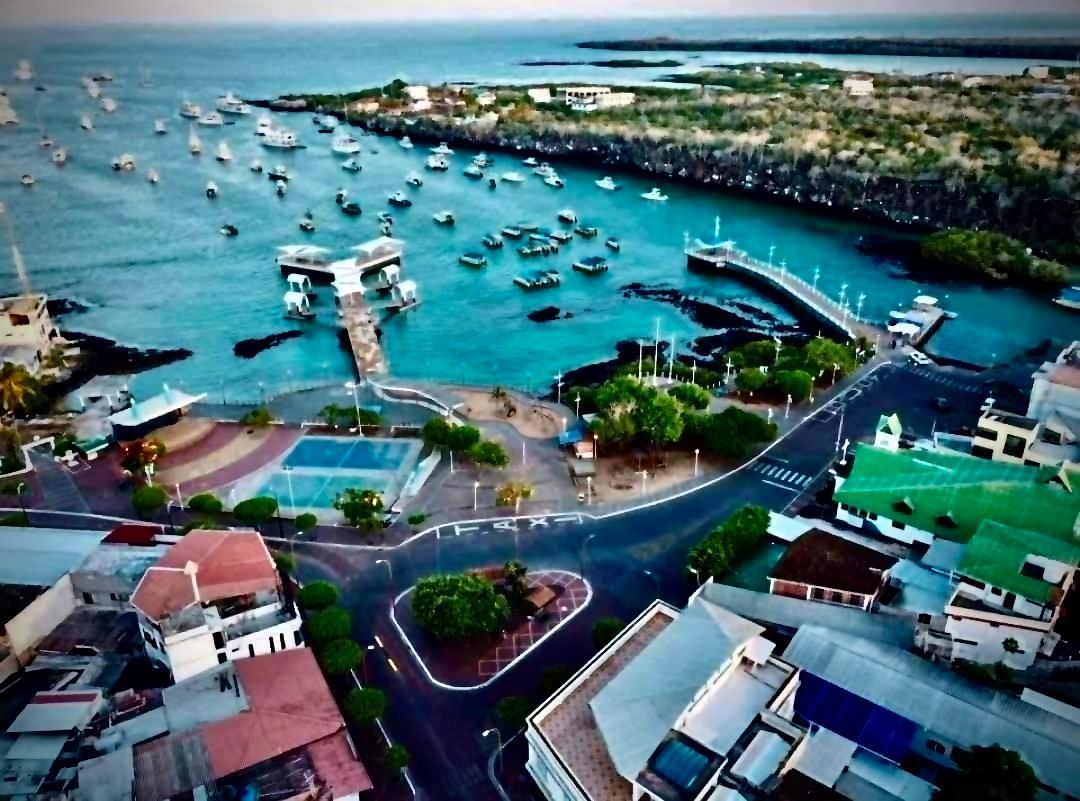
In Puerto Ayora, staying close enough to reach restaurants, the waterfront, and departure points while still having a quiet place to rest creates a useful balance. At Torre Mar Galapagos Boutique Suites, families can also ask local hosts for practical advice based on their children's ages, confidence in the water, and interests. A good recommendation is not always the most famous outing. Sometimes it is the beach with gentle water, shade nearby, and enough time to watch crabs.
Plan child friendly Galapagos days around one main adventure
A common planning mistake is trying to fit two major excursions into one day. On paper, it can look efficient. In reality, it often means rushed meals, tired children, and adults spending the afternoon managing logistics instead of enjoying the islands.
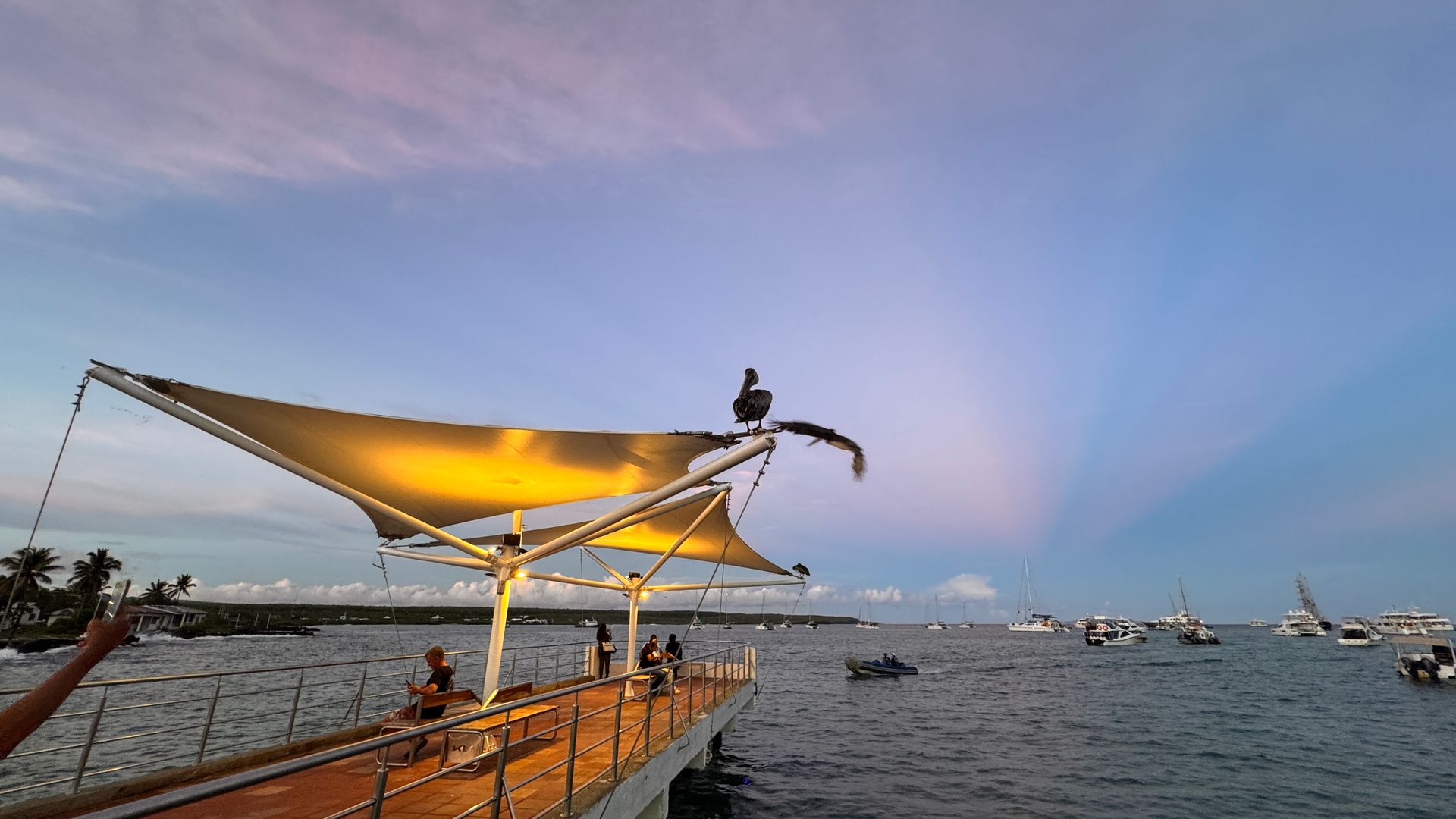
Choose one anchor activity each day, then let the rest stay light. An anchor might be a guided visit to the Charles Darwin Research Station, a morning at Tortuga Bay, a snorkeling trip suited to your family's experience, or a day tour to another island. Add only one smaller activity afterward, such as a waterfront ice cream, a short stroll, or time at the dock watching the local wildlife.
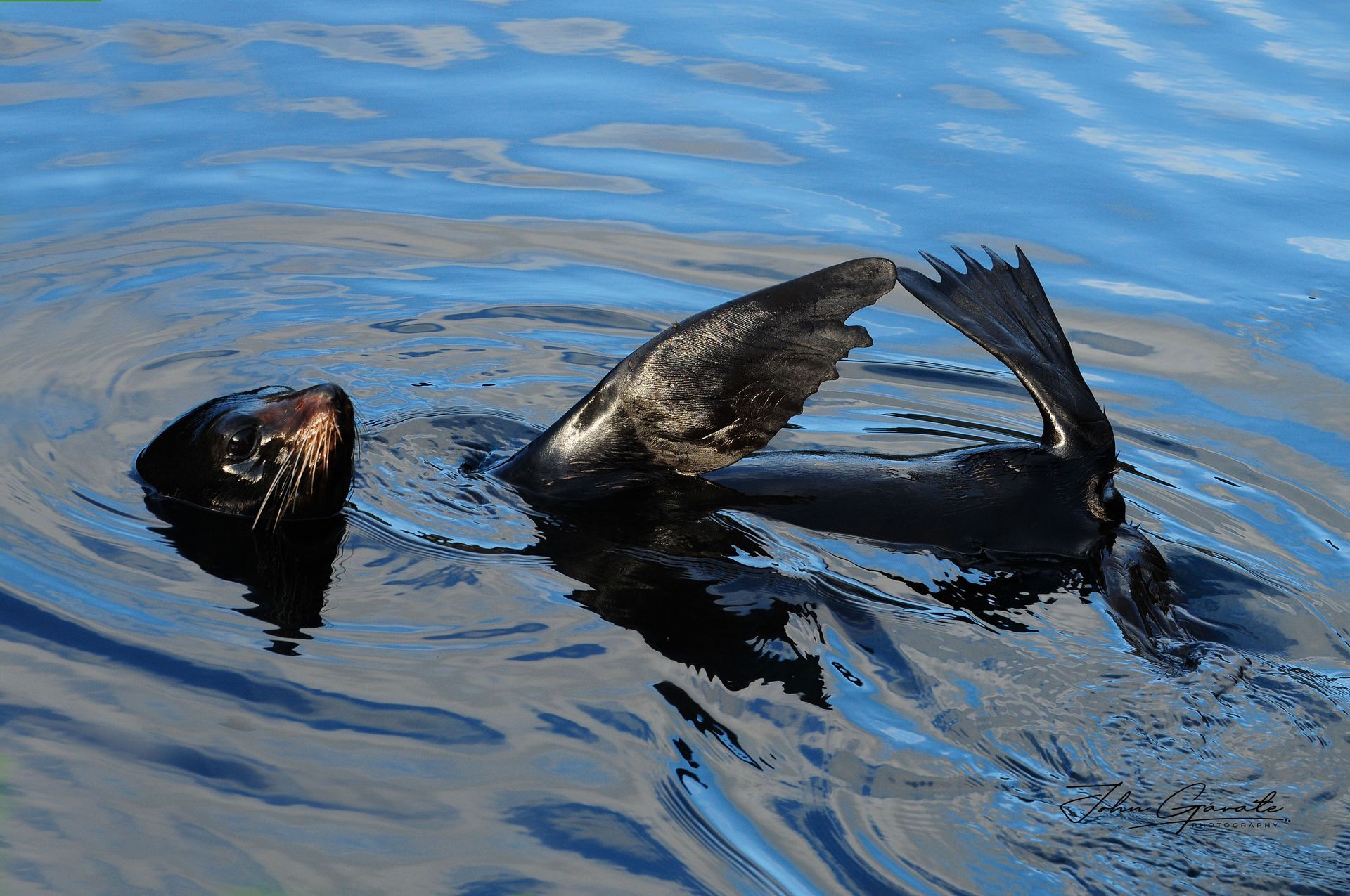
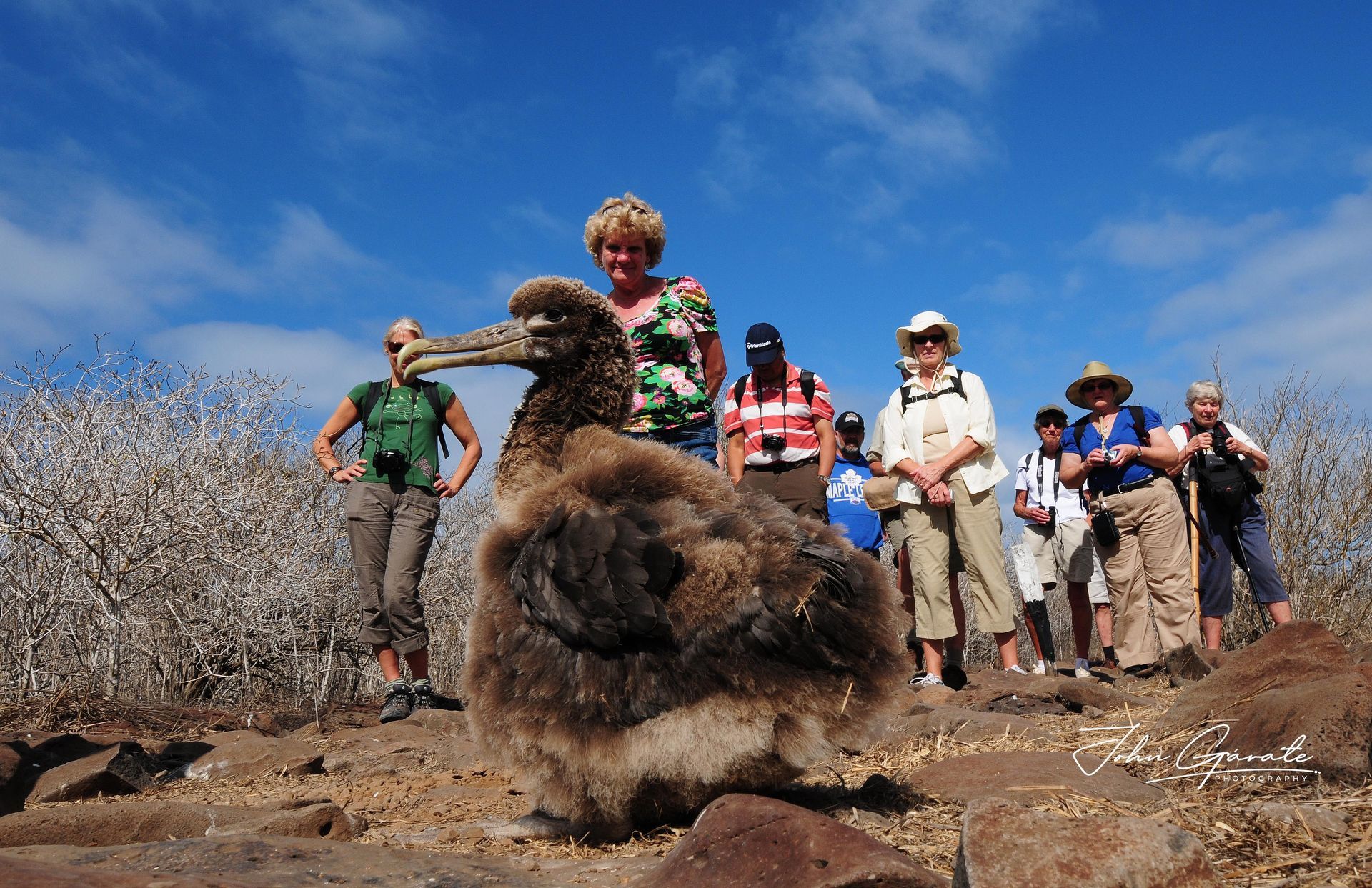
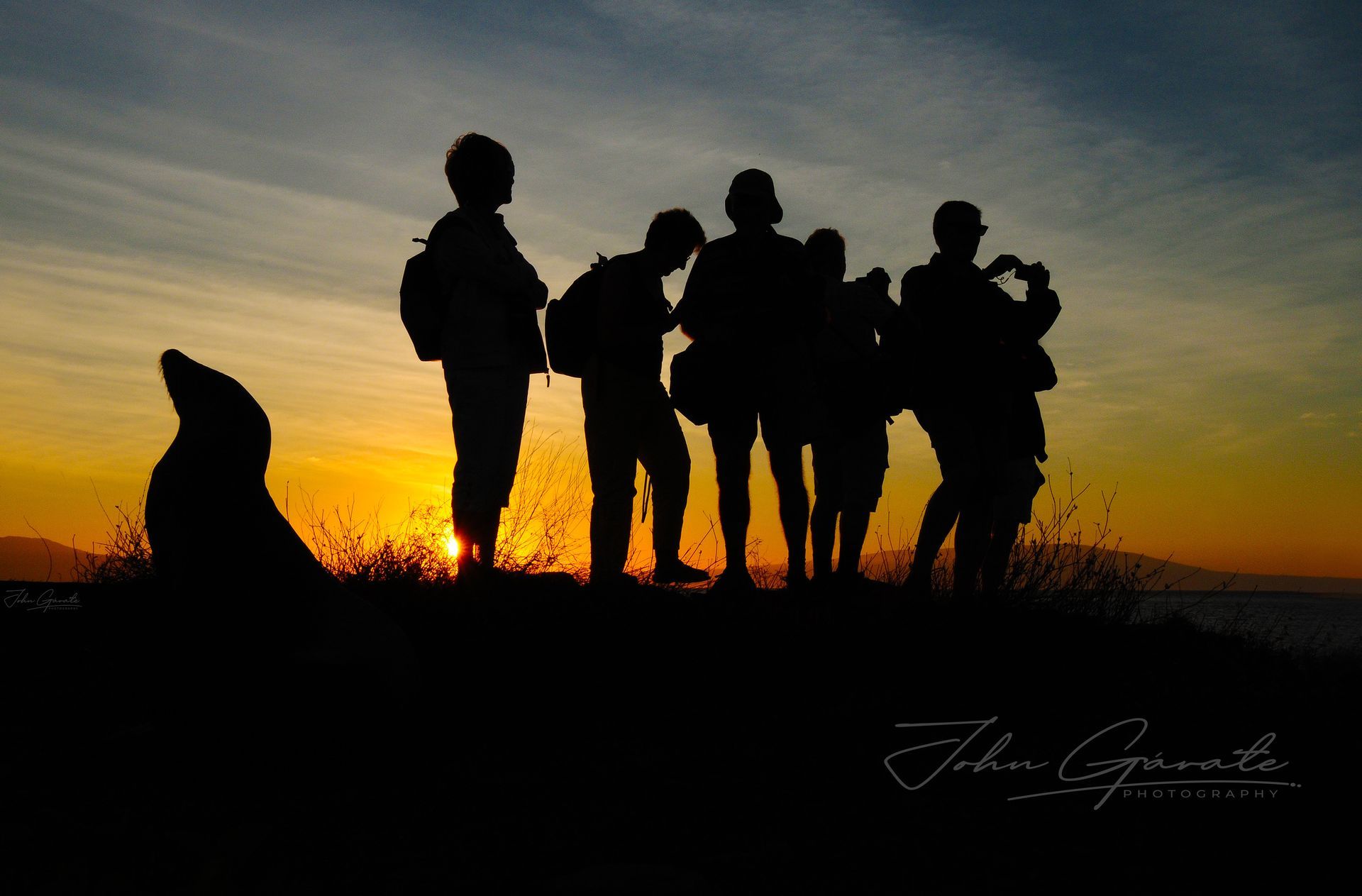
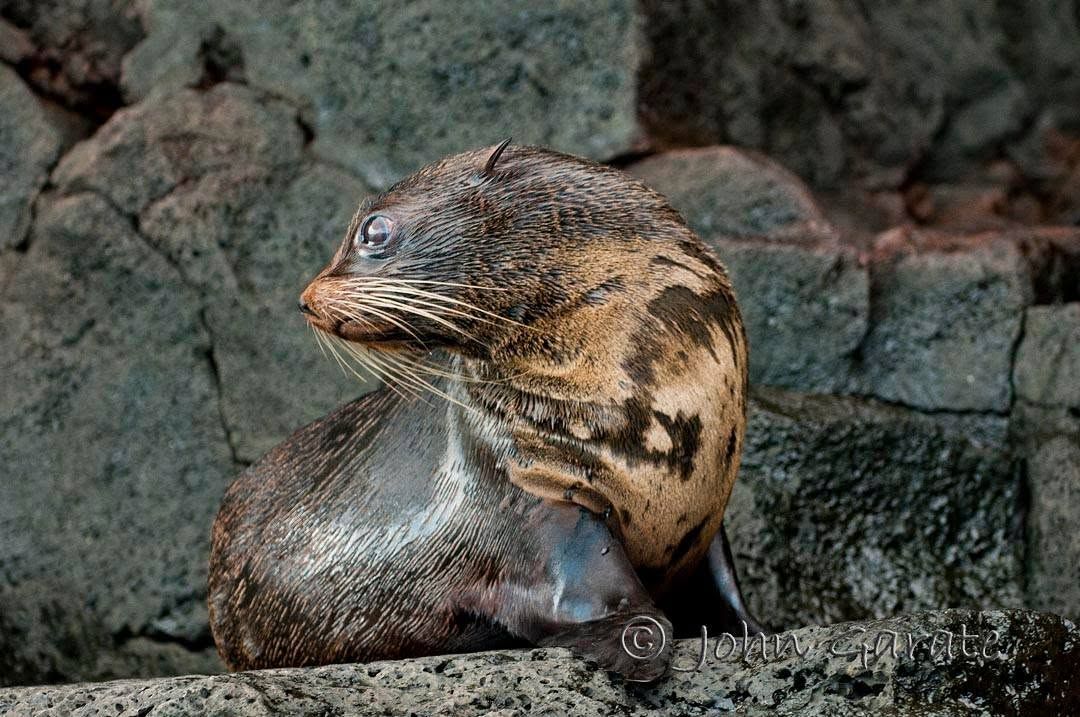
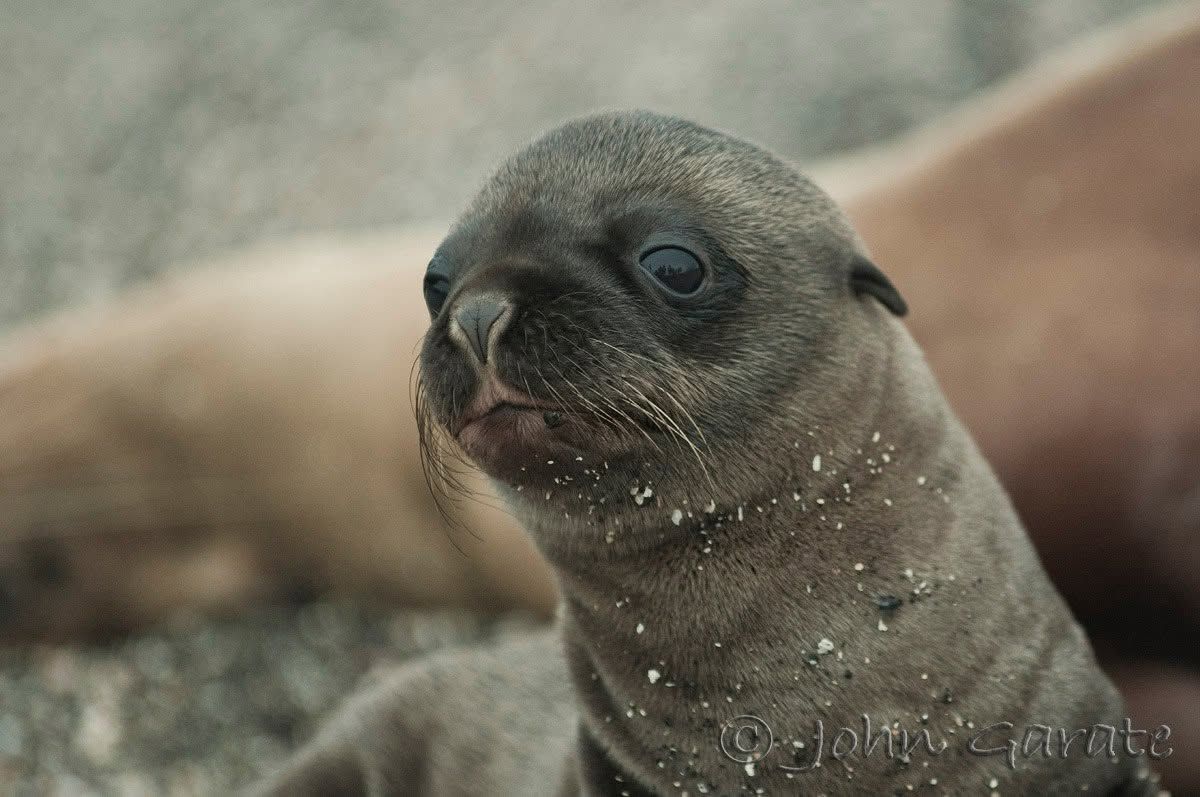
This approach is not about doing less. It is about giving children time to notice. A blue-footed booby seen from a boat, a sea lion resting on a dock, or a school of fish near shore can hold their attention longer than adults expect when no one is hurrying them to the next stop.
Make mornings count
Wildlife, heat, and energy levels all favor an earlier start. Aim for your most active outing in the morning, particularly for walks and beaches. Bring sun protection, refillable water bottles, light layers, and snacks that children will actually eat. The Galapagos is not the place to rely on finding a familiar snack at the exact moment someone becomes hungry.
A relaxed breakfast before departure also sets a kinder tone for the day. If your family has early tours, stocking up on groceries can remove stresses and make the morning feel more like home. Make reservations for a family breakfast at your hotel.
Protect the afternoon pause
After lunch, consider returning for quiet time. Younger children may nap; older ones may read, draw, review photos, or simply enjoy air conditioning. Parents get a pause, too. This is often when a family decides whether to have an easy dinner nearby or head out again for a gentle evening walk.
Leaving afternoons open also protects you from the island variables that are part of travel here. A boat departure may shift, a child may feel seasick, or the weather may make one activity less appealing. Flexibility turns those changes into adjustments instead of disappointments.
Choose activities by temperament, not just age
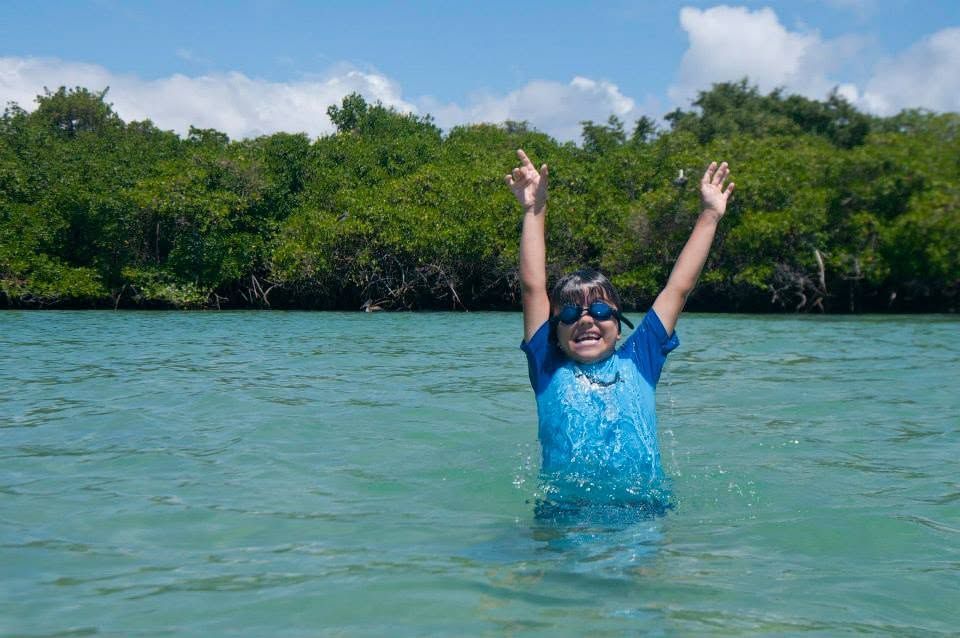
There is no single “best” Galapagos itinerary for children. Some families may opt for a full day tour to an uninhabited island to take in the amazing Galapagos wildlife. A confident 8-year-old who loves swimming may be ready for a longer snorkeling day, while a 12-year-old who is sensitive to motion may prefer coastal walks, wildlife sites, and short boat rides. Pay attention to your own family rather than a sample itinerary designed for someone else's.
For wildlife-focused children, Santa Cruz offers rewarding land-based experiences. The Charles Darwin Research Station can introduce conservation in a way that feels real, especially when giant tortoises are part of the conversation. Visits to the highlands provide a striking change of scenery from the coast, with lush landscapes and opportunities to see giant tortoises in more natural surroundings.
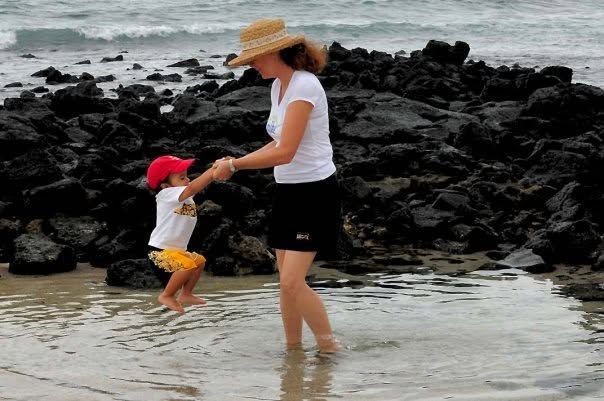
For families who want beach time, Tortuga Bay is memorable, but the walk in is long for little legs and the ocean side can have strong surf. The calmer bay area is generally the better choice for a slower family visit. Go early, carry water, and be honest about whether your children are happy walking. A water taxi may be a better and will make use of your energy on another day.
Snorkeling can be a highlight, but it depends on water confidence, currents, sea conditions, and the operator's minimum age rules. Ask detailed questions before booking: How long is the ride? Are life jackets required? Is there a shallow option? Can a non-snorkeling adult stay comfortable on board? A short, well-supported outing is far more enjoyable than a longer trip that pushes a nervous child too far.
Build in the practical details adults carry
Children may remember the tortoises and sea lions. Parents tend to remember whether the day felt manageable. A few decisions made before arrival can make the difference.
Keep travel days light. The journey from Baltra Airport to Puerto Ayora includes several steps, and even seasoned travelers can feel tired after flights, the channel crossing, and ground transportation. Plan a simple first evening, eat early, and save the big excursion for the next day.
For inter-island travel, consider the trade-off carefully. Public speedboat transfers can be useful, but the ride may be bumpy and lengthy for children prone to seasickness. Flight options, private services, or simply spending more time on Santa Cruz can be better choices depending on your budget, schedule, and comfort level. Seeing fewer islands well is often more rewarding than racing across several.
Bring reef-safe sun protection, hats that stay on in wind, lightweight rain layers, motion-sickness remedies approved by your child's doctor, and closed-toe shoes for rougher trails. Most importantly, teach children the basic wildlife rules before they arrive: observe from a respectful distance, never touch or feed animals, and stay on marked paths. Framing these as ways to help protect the animals gives kids a meaningful role in conservation.
Let children help shape the day
A family vacation works better when children have a little ownership. Give them two reasonable choices: beach or tortoises, morning snorkeling or a highlands visit, pizza night or seafood by the harbor. Let them carry a small wildlife notebook, choose a photo of the day, or make a list of animals they hope to see.
Avoid promising specific sightings. Wild animals are not performers, and that uncertainty is part of what makes the Galapagos special. Instead, promise opportunities to look carefully. You may see a penguin near the water, a frigatebird overhead, or a sea lion passing by in the most unexpected place. You may also have a quiet afternoon with only crabs, waves, and sand between your toes. Both can be perfect.
The most successful family itineraries leave room for those unscheduled discoveries. Plan enough to feel prepared, then allow the islands to set the rhythm. With a comfortable place to return to, a few well-chosen adventures, and time to rest between them, the Galapagos can feel less like a race through a bucket list and more like a place your family truly got to know.