Galapagos Family Itinerary Examples That Work
Practical Details That Make the Difference
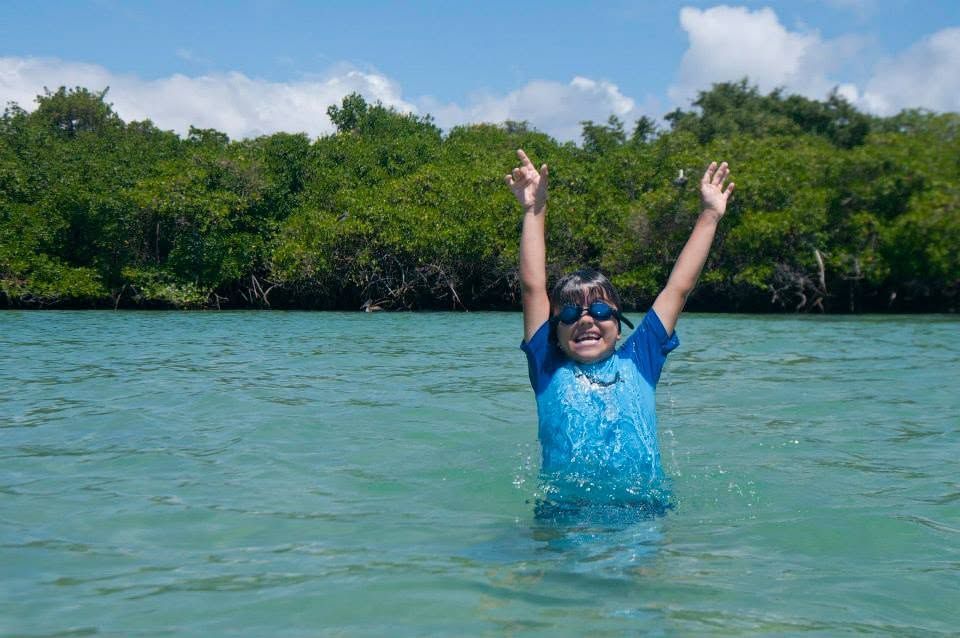
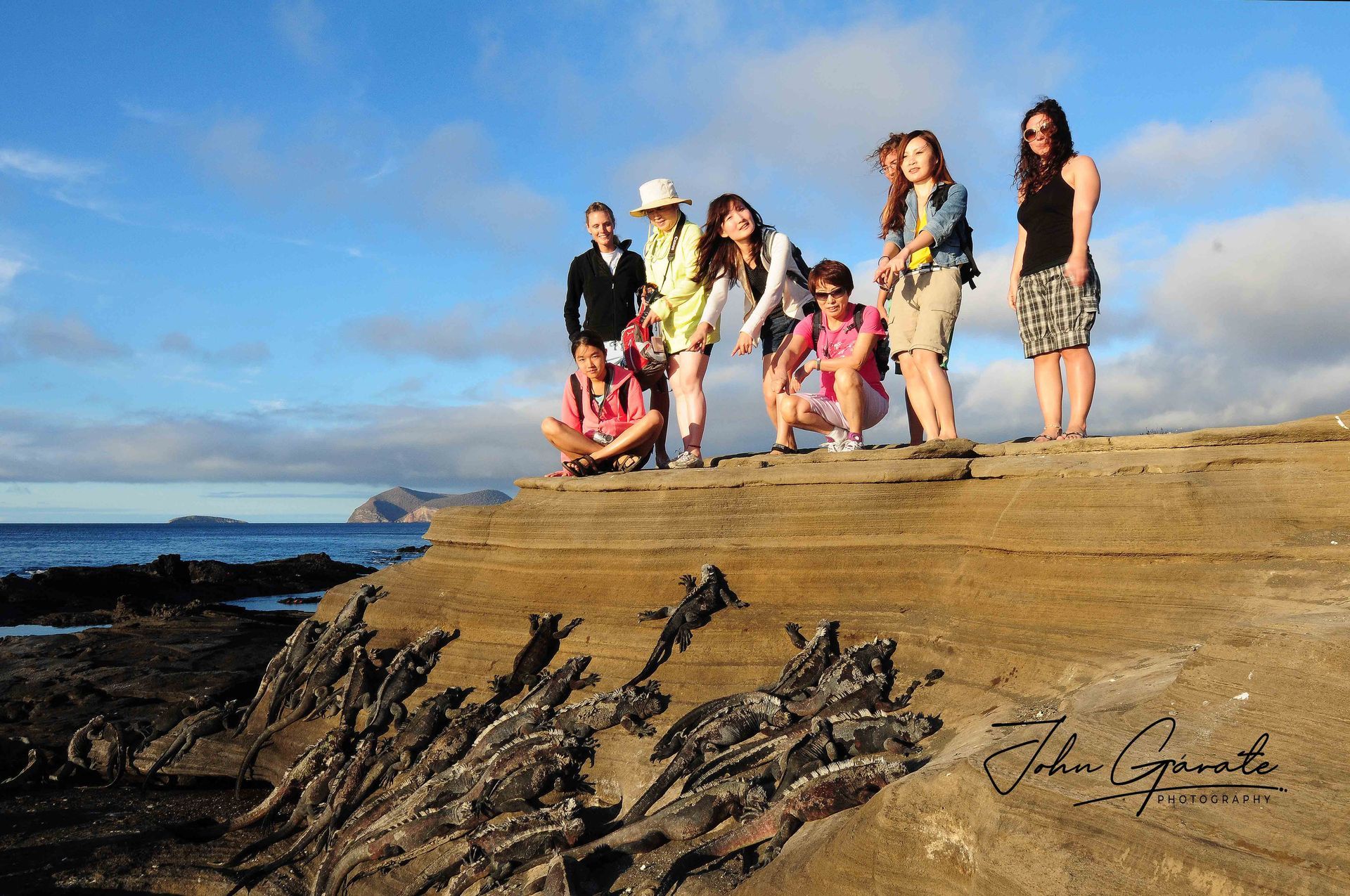
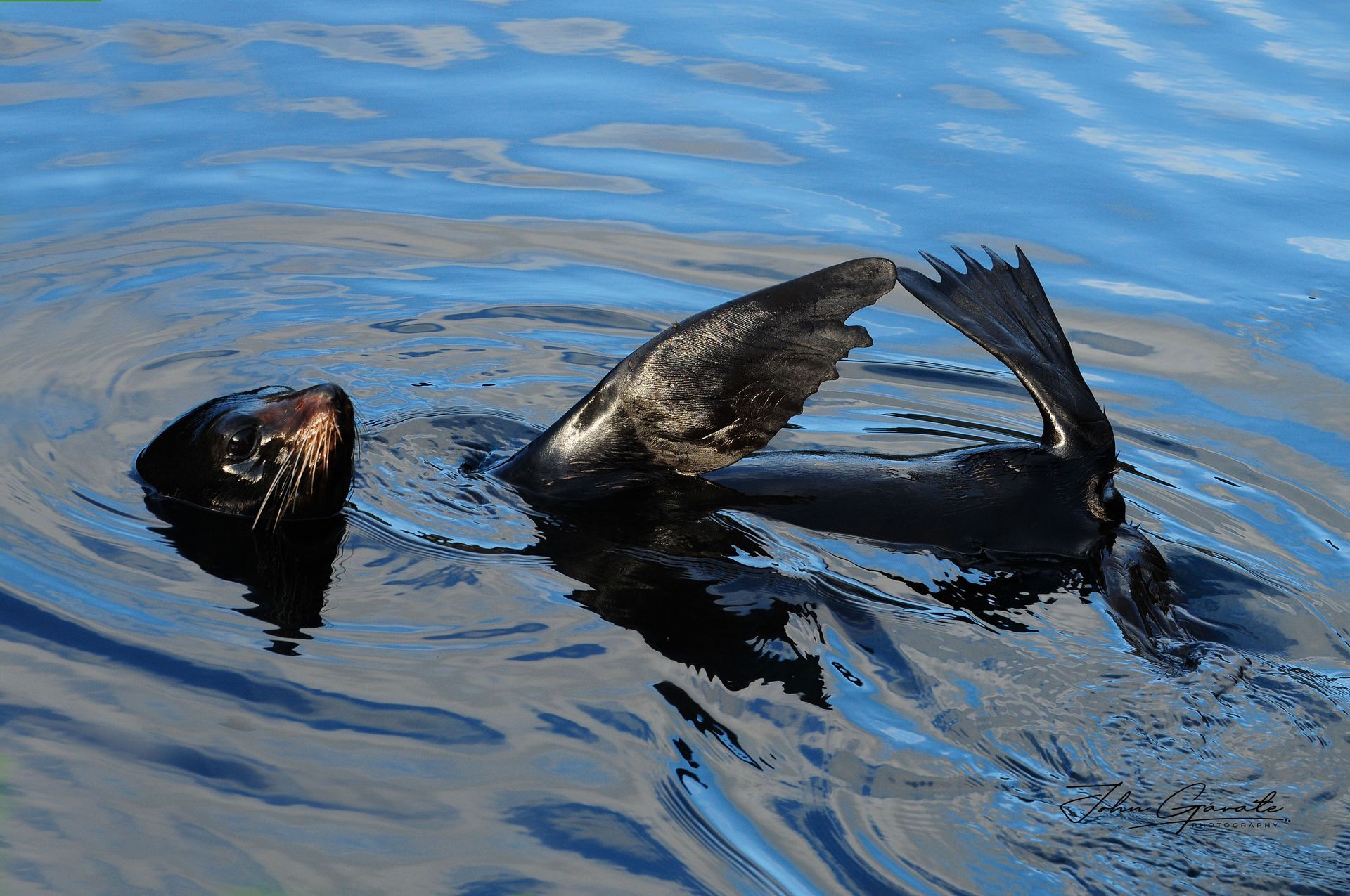
The best Galapagos family itinerary examples do not try to fit every island, every animal, and every excursion into one hurried week. They leave room for the moments children remember most: a marine iguana crossing the path, a sea lion resting near the water, a spontaneous swim, and a family dinner spent retelling the day’s discoveries.
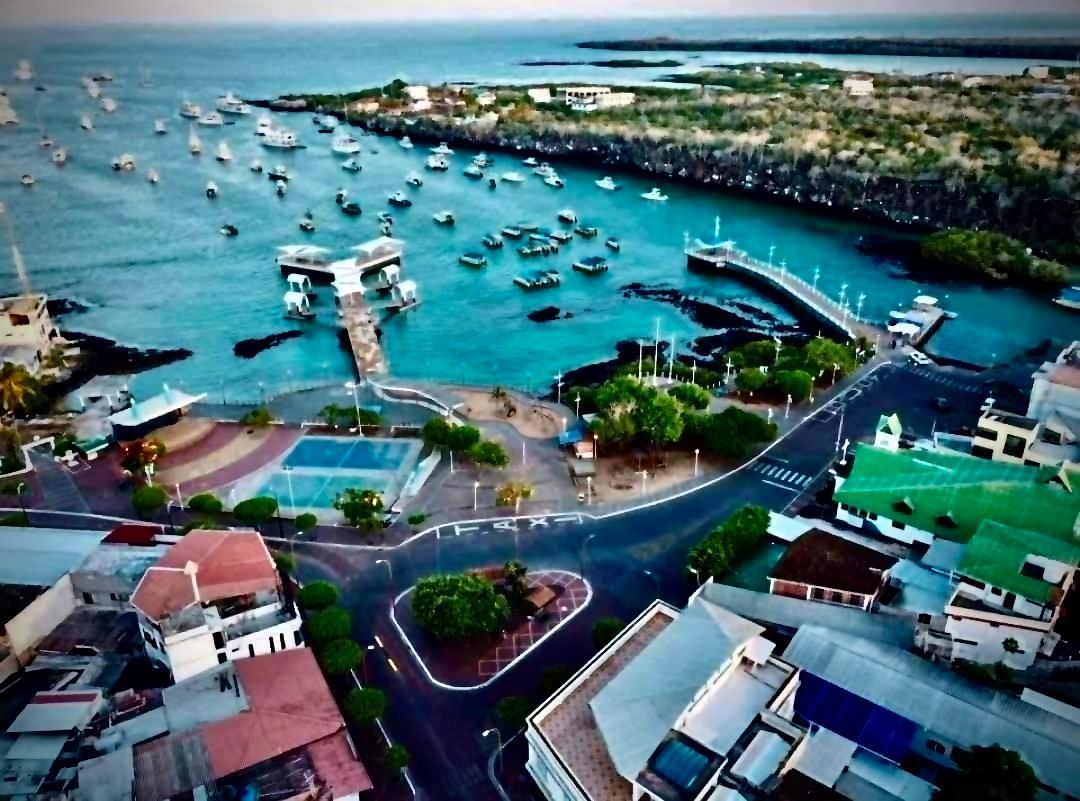
For many families, Santa Cruz is a natural home base. It offers easy access to wildlife, beaches, visitor sites, restaurants, and day tours, without asking everyone to pack and unpack every morning. A land-based stay also gives parents and grandparents something valuable in the Galapagos: flexibility. You can begin early for a guided outing, return for rest, prepare a simple lunch, and decide how much more the day holds.
How to Build a Family-Friendly Galapagos Trip
Before choosing activities, decide what kind of pace your family enjoys. A family with energetic teens may happily take an early boat trip and spend the afternoon snorkeling. Families with toddlers, young children, or grandparents may prefer one main outing per day, with quiet time back at their suite before dinner.
The Galapagos rewards unplanned pauses. Heat, boat conditions, travel days, and a child who needs a slower morning can all change the ideal schedule. Rather than booking every hour, choose a few priority experiences and leave open space around them.
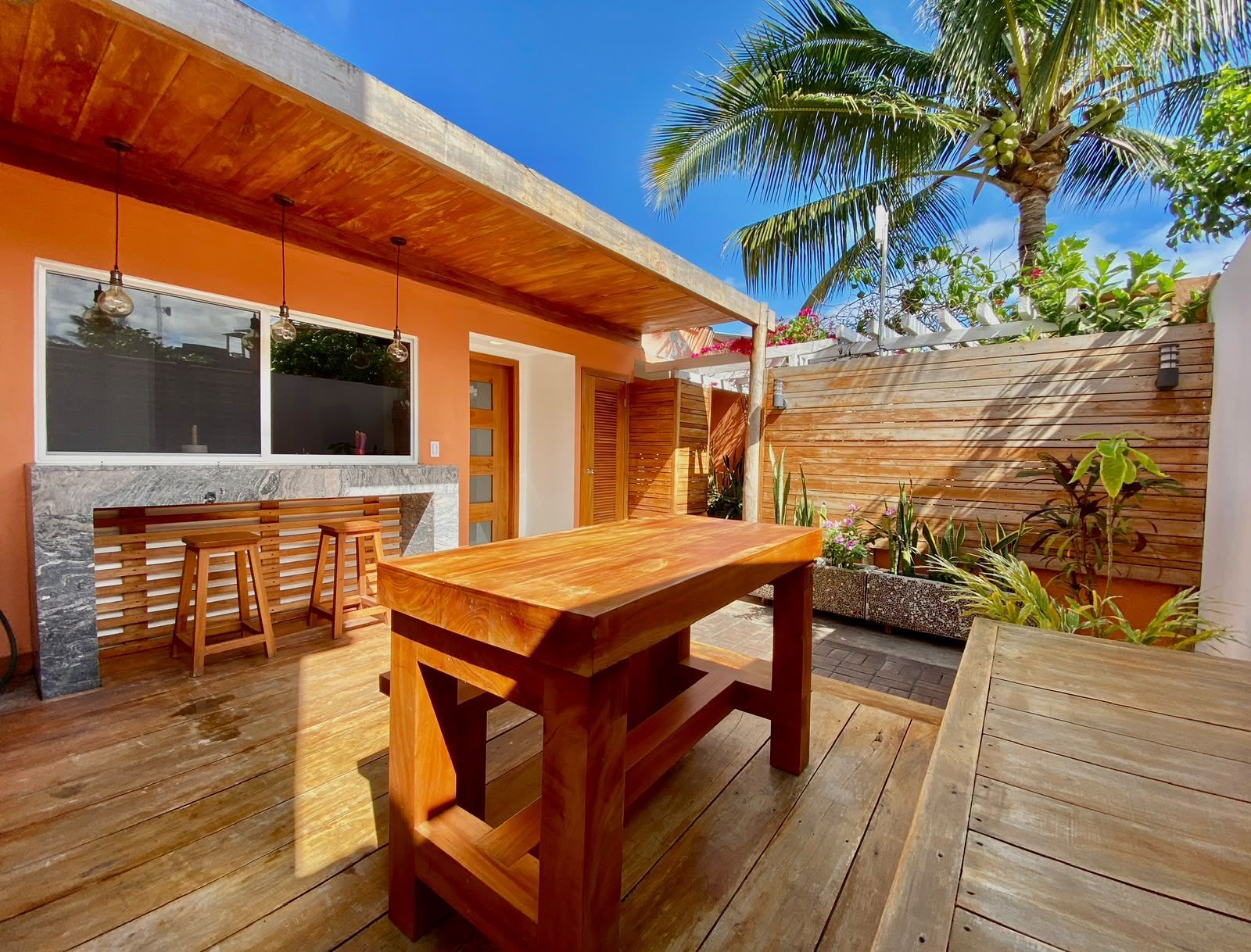
A comfortable apartment-style base makes this easier. Having separate bedrooms, a living area, purified water, and a kitchen can turn the break between adventures into genuine downtime rather than time spent searching for a place to regroup. At Torre Mar Galapagos Boutique Suites Hotel, families can also receive local help arranging transfers, ferry tickets, groceries, and tours before arrival, which removes several small but meaningful stresses from the trip.
Galapagos Family Itinerary Examples by Trip Length
A three-night introduction for families with limited time
This short itinerary works well when the Galapagos is part of a larger Ecuador journey or when younger travelers need a gentle introduction to island travel.
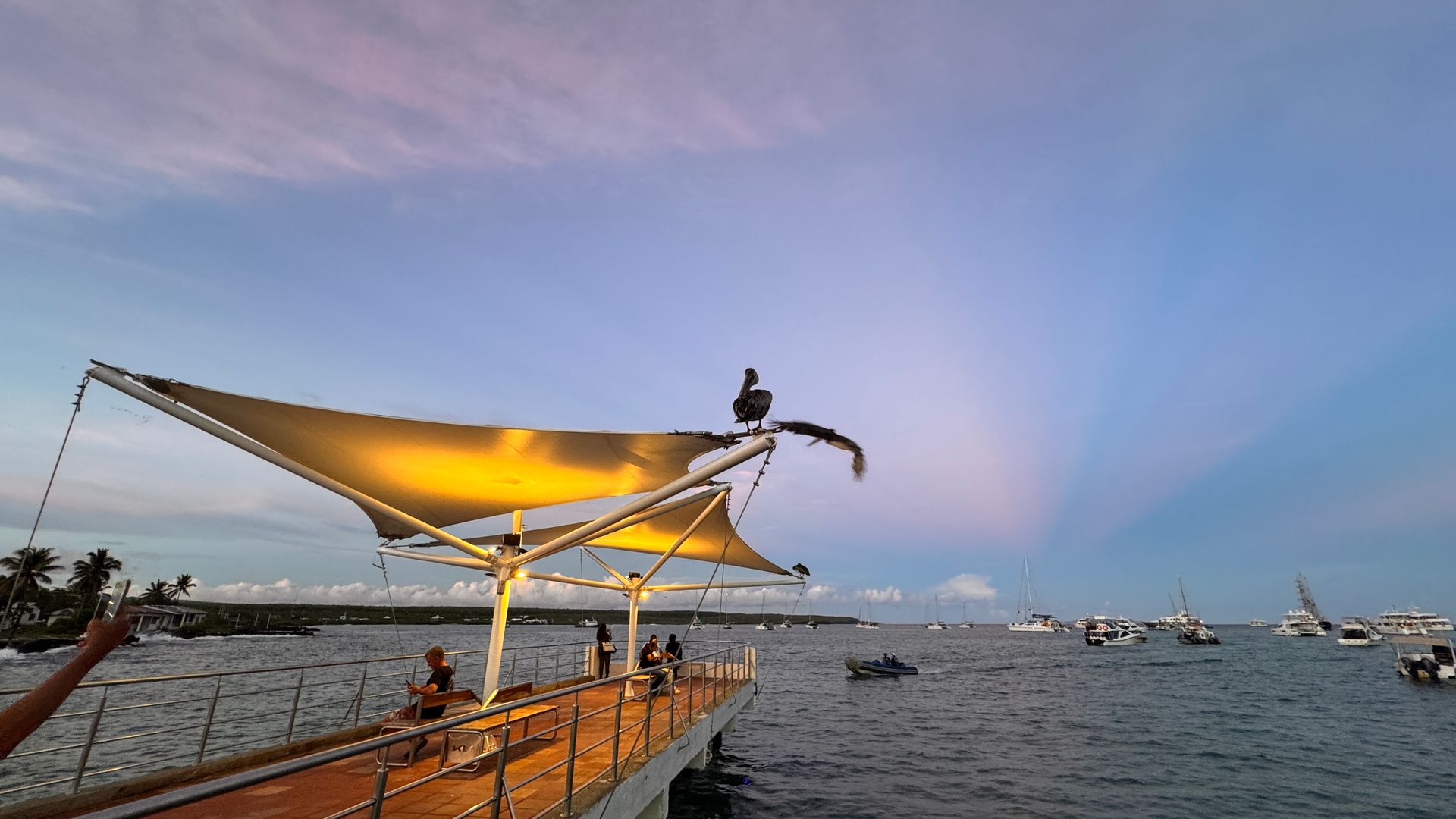
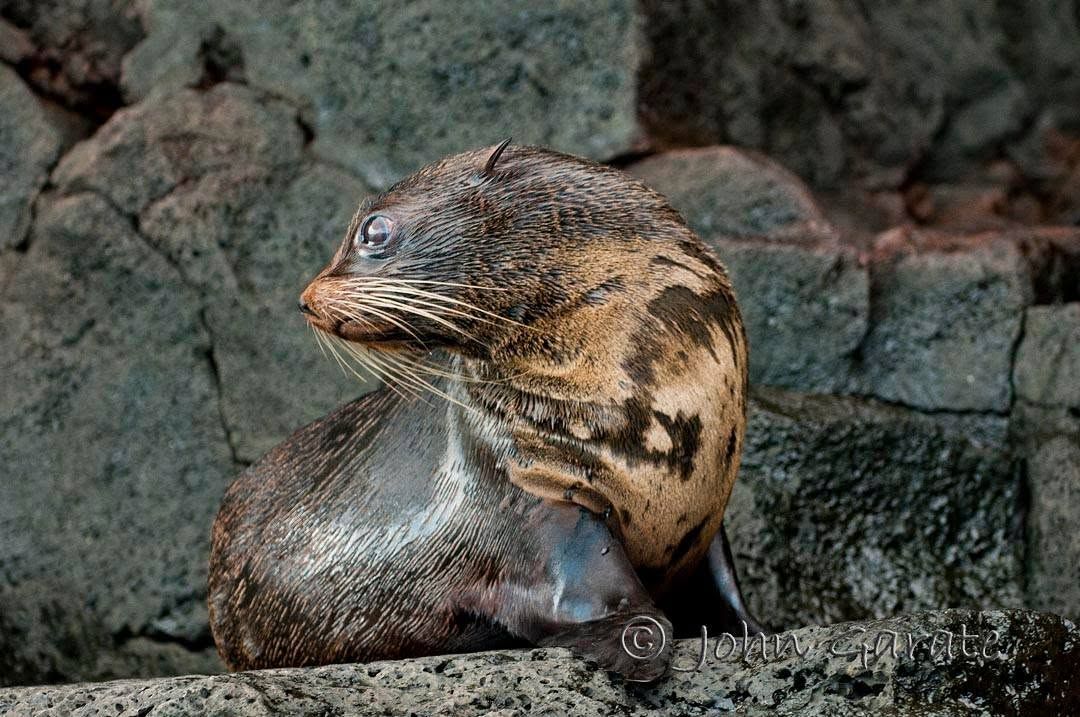
On arrival day, travel from Baltra Airport to Santa Cruz, check in, settle in, and keep plans light. A walk along the Puerto Ayora waterfront is often enough excitement after the airport, shuttle, ferry crossing, and transfer. Watch for sea lions near the docks and enjoy an early dinner.
Use the first full day for Santa Cruz highlights. Depending on your family’s interests and the day’s conditions, this might include the giant tortoise, highlands, lava tunnels, and Los Gemelos. The highlands offer a welcome change from the coastal heat, and seeing giant tortoises in a natural setting is memorable for every age.
On the second full day, choose one water-focused experience. Families with confident swimmers may enjoy a guided snorkeling outing, while others may prefer a calmer beach day at Tortuga Bay or a visit to a nearby bay with gentle wildlife viewing. Keep the final evening relaxed. Packing before bedtime makes departure day far easier with children.
The trade-off with three nights is simple: you will see a taste of Santa Cruz, not the entire archipelago. That can still be a wonderful choice. A shorter, well-paced visit is better than an overfilled itinerary that leaves everyone tired.
A five-night Santa Cruz itinerary with variety
Five nights give families time to combine wildlife, water, and rest. This is often the sweet spot for first-time visitors who want meaningful experiences without a cruise schedule.
Begin with an easy arrival afternoon, then spend day two exploring the highlands and giant tortoises. Add a beach or waterfront walk later in the day only if everyone still has energy.
For day three, plan a guided snorkeling or boat day-tour excursion. The right choice depends on children’s ages, swimming confidence, and comfort on small boats. Ask in advance about ride time, life jackets in child sizes, restroom access, shade, and the expected activity level. A tour that sounds exciting on paper may not suit a child who gets motion sick, while a shorter outing can be exactly right.
Make day four deliberately slower. Visit a local beach, browse Puerto Ayora, enjoy a long lunch, or choose a short guided activity. Families sometimes feel pressure to make every day “big,” but a rest day often protects the quality of the days around it.
Use day five for another signature experience, such as a second day-tour or snorkeling trip, a kayaking outing, or a visit to a nearby wildlife site. If your family loves the ocean, two water days can be ideal. If some travelers prefer land-based exploration, choose a balanced mix rather than asking everyone to do the same thing.
A seven-night itinerary with island-hopping time
A full week allows for a more complete Galapagos family vacation. It can include Santa Cruz as a base plus an overnight visit to another inhabited island, often San Cristobal or Isabela, depending on ferry schedules, hotel availability, and your family’s comfort with travel days.
Spend the first three nights on Santa Cruz. Use one day for the highlands and tortoises, one for a water excursion, and one at an unhurried pace. This gives everyone time to adjust before adding ferry travel.
Then move to a second island for two or three nights. Ferries are an authentic part of land-based Galapagos travel, but they are not always easy. Crossings can be bumpy, departure times can be early, and luggage handling takes coordination. For families with very young children, travelers prone to seasickness, or grandparents with mobility concerns, staying on one island may be the more comfortable decision.
If your group is ready for the crossing, the reward is a different island atmosphere and fresh landscapes. San Cristobal is known for its lively sea lion presence and accessible visitor sites. Isabela offers a quieter feel and broad volcanic scenery. Choose one rather than trying to visit both in a week.
Return to Santa Cruz for the final night when possible, especially if your flight leaves from Baltra the next morning. It creates a buffer against ferry changes and lets the family finish the trip without a rushed transfer day.
Choosing Activities for Different Ages
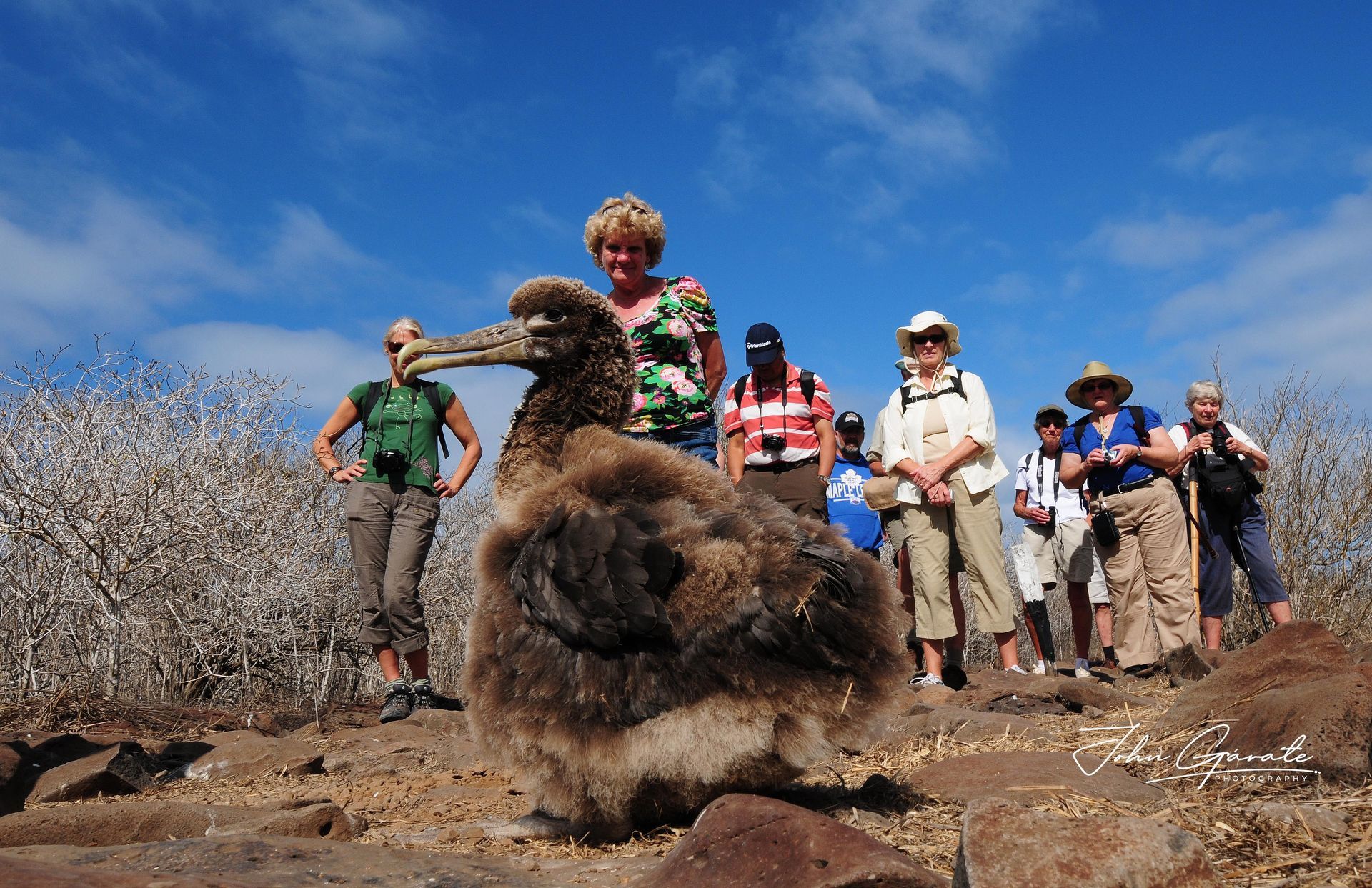
Children do not need a packed program to connect with the Galapagos. Younger kids often love the simple things: spotting crabs, looking for finches, swimming in calm water, and hearing stories about tortoises. Build in snacks, shade, bathroom breaks, and a change of clothes, and they are more likely to enjoy the outing as much as the adults do.
Teens often respond well to active experiences with a purpose. Snorkeling with a naturalist guide, paddleboarding, kayaking, wildlife photography, and helping choose the next restaurant can make the trip feel like their adventure too. Let them use a camera or travel journal to document what they see, rather than turning every moment into a posed family photo.
For multigenerational groups, the most successful plan is not necessarily one activity for all. Meet for breakfast and dinner, choose a shared highlight such as giant tortoise viewing, then allow smaller groups to select their own pace during the day. A grandparent may prefer a scenic walk while parents and teens take a longer snorkeling tour. Everyone returns with a story.
Practical Details That Make the Difference
Keep travel days light, particularly when arriving or changing islands. Bring reef-safe sun protection, hats, reusable water bottles, light layers, and motion-sickness remedies if anyone is sensitive to boats. Closed-toe walking shoes are useful for uneven trails, while water shoes can be helpful on rocky entries.
Book guided excursions through trusted local operators and be honest about your group’s needs. Mention a child’s age, a non-swimmer, dietary requirements, mobility limitations, or concerns about boat travel. Good planning is not about lowering expectations. It is about choosing the right version of the Galapagos for the people you love.
Above all, give your family permission to travel at its own pace. In these islands, the most lasting memories are rarely the most tightly scheduled ones. They are the shared, unhurried moments when the wild world feels close enough to touch, and everyone has time to take it in together.