12 Best Views and Photo Spots in the Galápagos
12 Best Views & Photo Spots in the Galápagos | Santa Cruz & Beyond
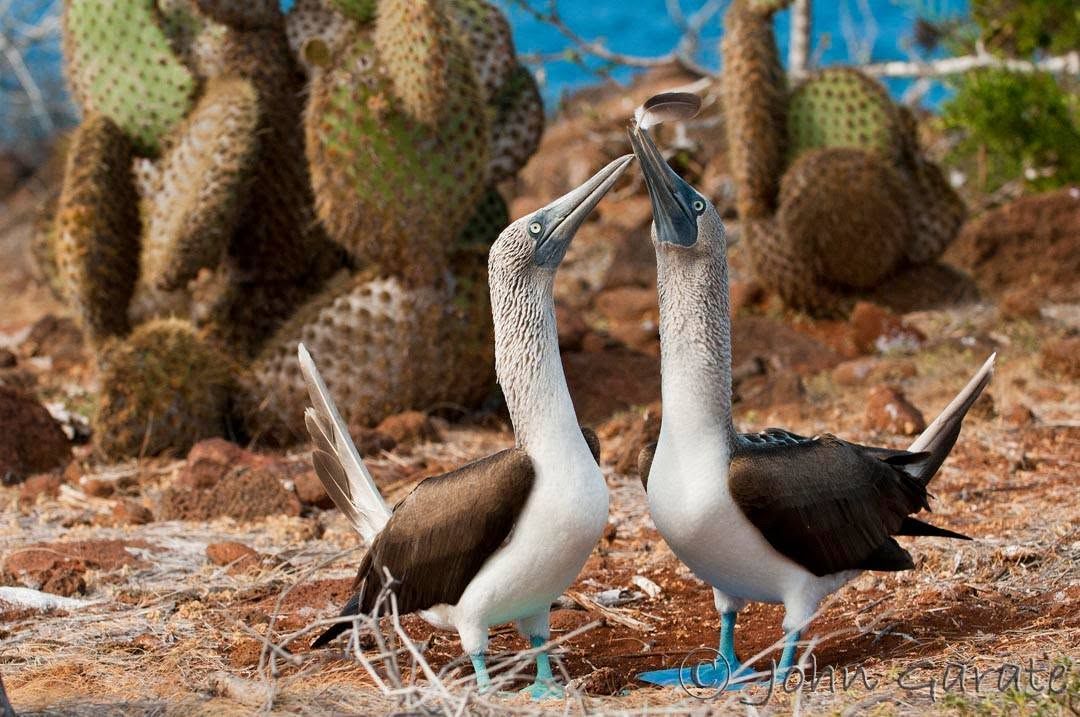
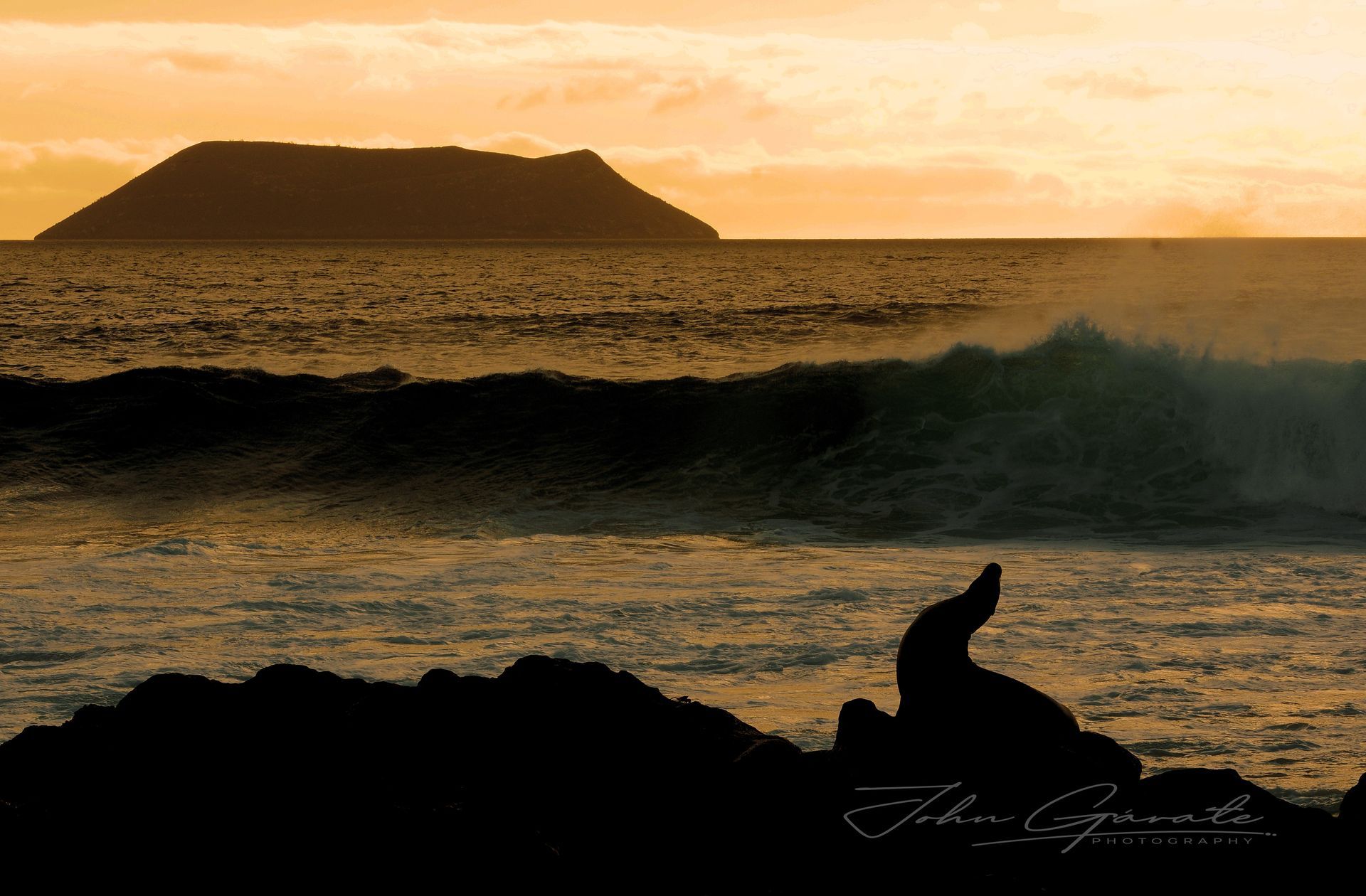
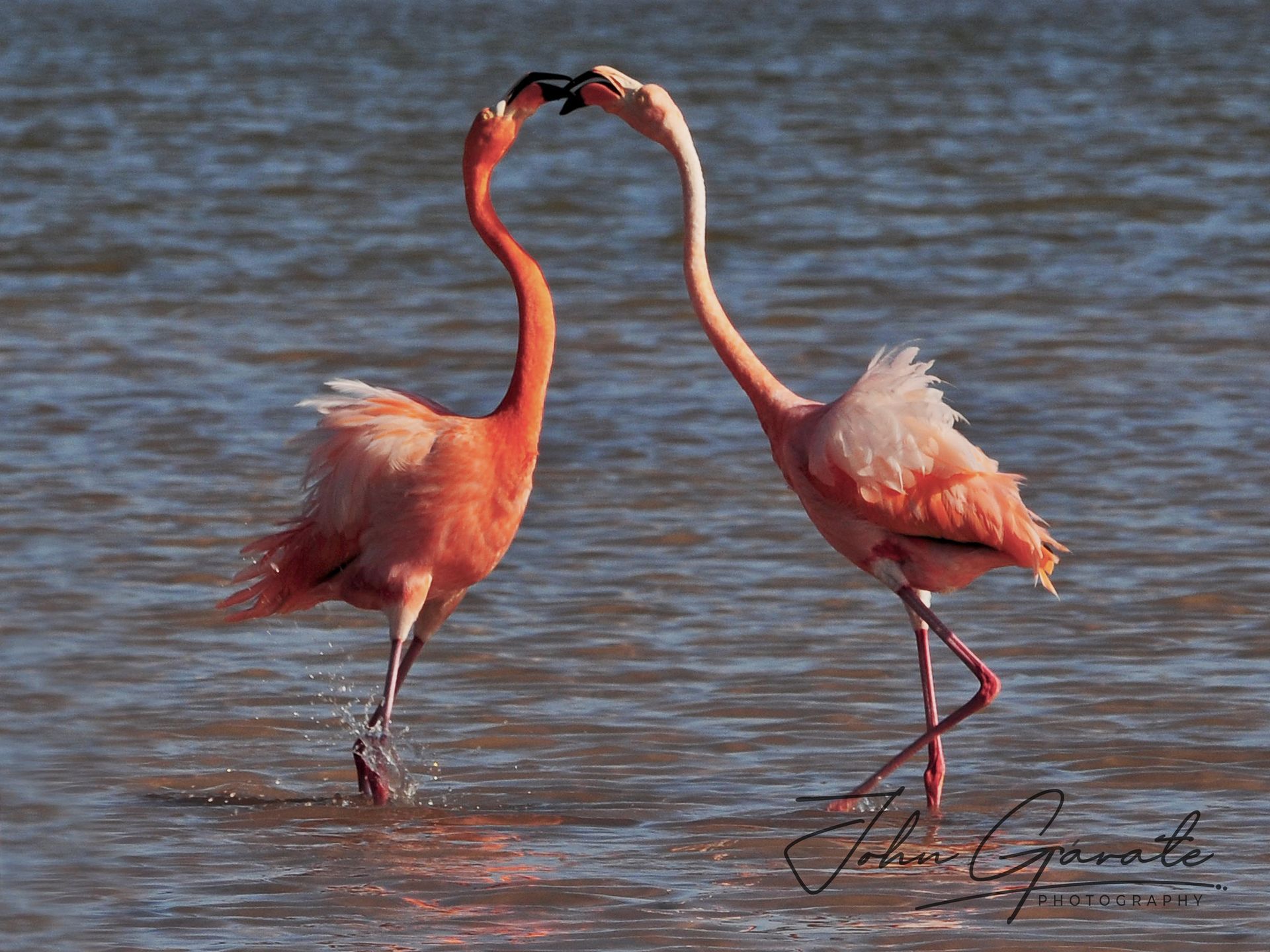
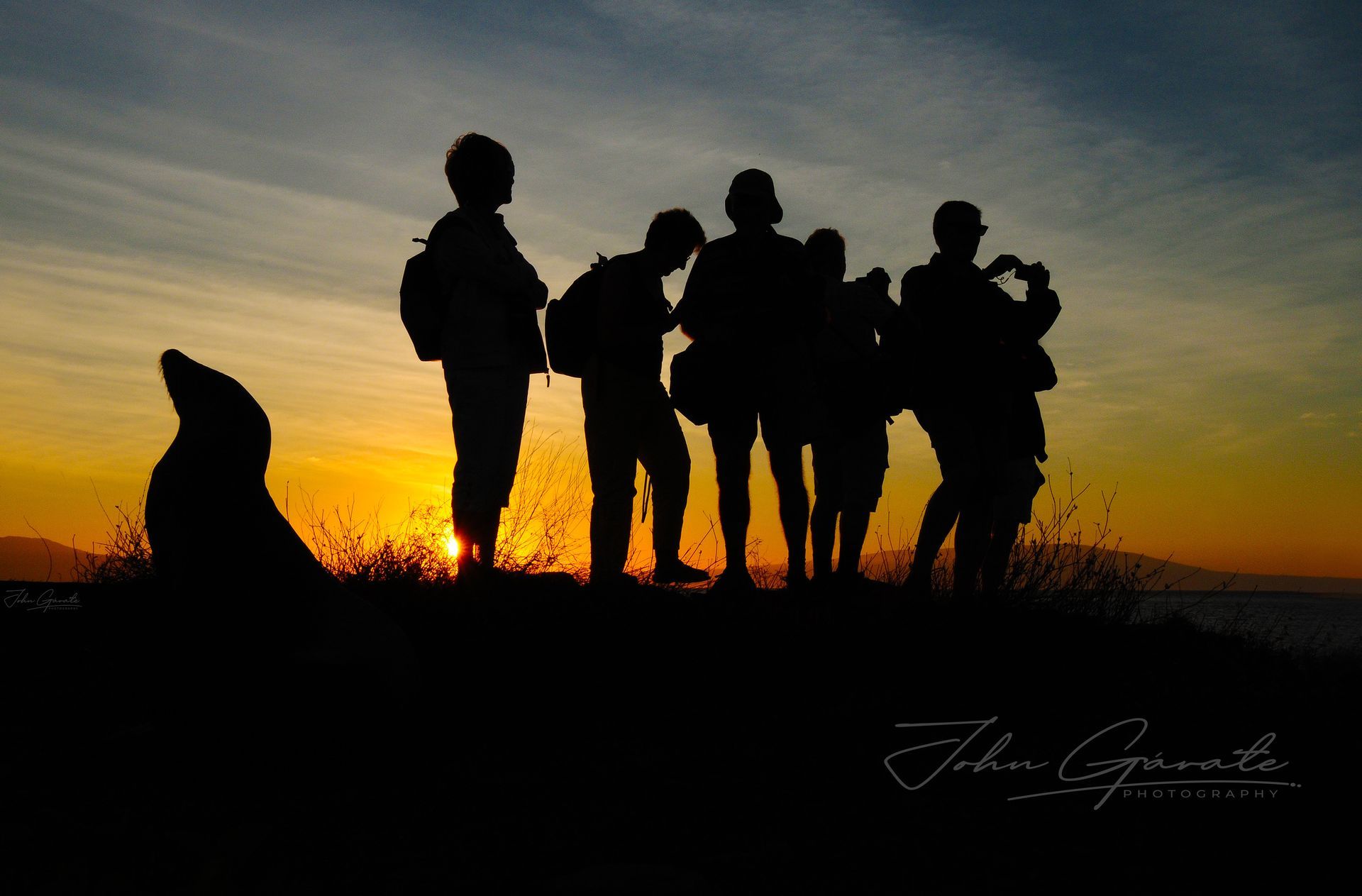
A Galápagos photograph is rarely just a photograph. It might capture the silhouette of a blue-footed booby against a copper-colored sunset, a giant tortoise moving quietly through the highlands, or the striking contrast of black volcanic rock and turquoise water.
The best views and photo spots in the Galápagos reward travelers who slow down, look carefully, and give the islands the space they deserve.
For guests staying on Santa Cruz Island, a land-based Galápagos itinerary offers the flexibility to explore at your own pace. You can enjoy an early morning walk, return to Puerto Ayora for breakfast, and head out again when the afternoon light becomes softer. Some of the most memorable photo opportunities are close to town, while others are worth planning around a guided day trip.
Best Views and Photo Spots on Santa Cruz Island
1. Tortuga Bay
Tortuga Bay is one of Santa Cruz Island's most recognizable landscapes, and for good reason. The path from Puerto Ayora winds through dry forest before opening onto a long stretch of pale sand, bright Pacific water, and dark volcanic formations.
Early morning is an excellent time for photography. The softer light creates beautiful landscape images, while the beach is often quieter.
For a different perspective, continue toward Playa Mansa, the calmer bay beyond the main beach. Mangroves, marine iguanas, rays, and sea turtles can add interesting details to photographs. The surf-facing section of Tortuga Bay can be powerful, so admire it from a safe distance and follow local guidance.
Tortuga Bay is also one of the most popular Santa Cruz Island day trips and activities for travelers who want to combine beautiful scenery with an outdoor adventure.
2. Las Grietas
Las Grietas offers a completely different photographic experience. This narrow volcanic fissure holds clear water between towering rock walls, creating dramatic contrasts of stone, sky, and water.
It is not necessarily the place for a sweeping panoramic photograph. Instead, look for textures, reflections, rock formations, and interesting perspectives from the walking paths.
Arrive early when possible. Las Grietas can become busy, and a quieter visit makes it easier to appreciate both the scenery and the photography.
Bring a dry bag if you plan to swim, and avoid bringing large camera equipment into the water.
3. El Chato Reserve and the Santa Cruz Highlands
The Santa Cruz highlands reveal a completely different side of the Galápagos. Here, giant tortoises move through grassy fields and forest, sometimes emerging from the mist with an almost prehistoric calm.
A low, patient viewpoint can create a powerful wildlife portrait, but distance is essential. Never approach, touch, feed, or block a tortoise's path for a photograph.
The highlands are also home to lava tunnels, where sunlight streaming through openings can create dramatic contrasts. Conditions can change quickly, especially during cooler and mistier periods, making this area ideal for travelers who enjoy atmospheric photography.
A visit to the highlands can easily be incorporated into a Santa Cruz Island sightseeing itinerary.
4. Los Gemelos
Los Gemelos, or the Twin Craters, are two enormous volcanic formations surrounded by lush Scalesia forest. Their scale can be difficult to capture in a single photograph, which is part of what makes the location interesting.
Use the walking trails and include the forest canopy, a winding path, or a person standing at a respectful distance to help communicate the size of the landscape.
Los Gemelos can also be a convenient stop when traveling between Baltra Airport and Puerto Ayora. Depending on your arrival or departure schedule, it may be possible to visit without dedicating an entire day to sightseeing.
5. Garrapatero Beach
Garrapatero Beach feels more remote than the beaches closer to Puerto Ayora. Its broad shoreline, coastal vegetation, and clear blue water create beautiful compositions for both landscape and family photography.
A nearby lagoon may also attract birds, adding another photographic opportunity to the visit.
Late afternoon can provide especially attractive light, warming the sand and giving the landscape a softer appearance. Because Garrapatero is farther from Puerto Ayora than Tortuga Bay, arrange transportation in advance.
6. Cerro Mesa and the Eastern Coast
Cerro Mesa provides an elevated perspective of Santa Cruz, with views across the highlands and toward the coast. Depending on visibility and weather, you may be able to photograph several distinct landscapes from one viewpoint.
This is a particularly good option for travelers who want photographs showing the scale and variety of Santa Cruz rather than focusing exclusively on beaches and wildlife.
Trail and weather conditions can vary, so check current local conditions before visiting. Torre Mar's Cerro Mesa Reserve guide can also help travelers understand what makes this highland destination worth including in a Santa Cruz itinerary.
Wildlife Photography Spots Worth the Trip
7. Puerto Ayora Waterfront at Golden Hour
You do not always need a full-day excursion to capture memorable Galápagos photographs.
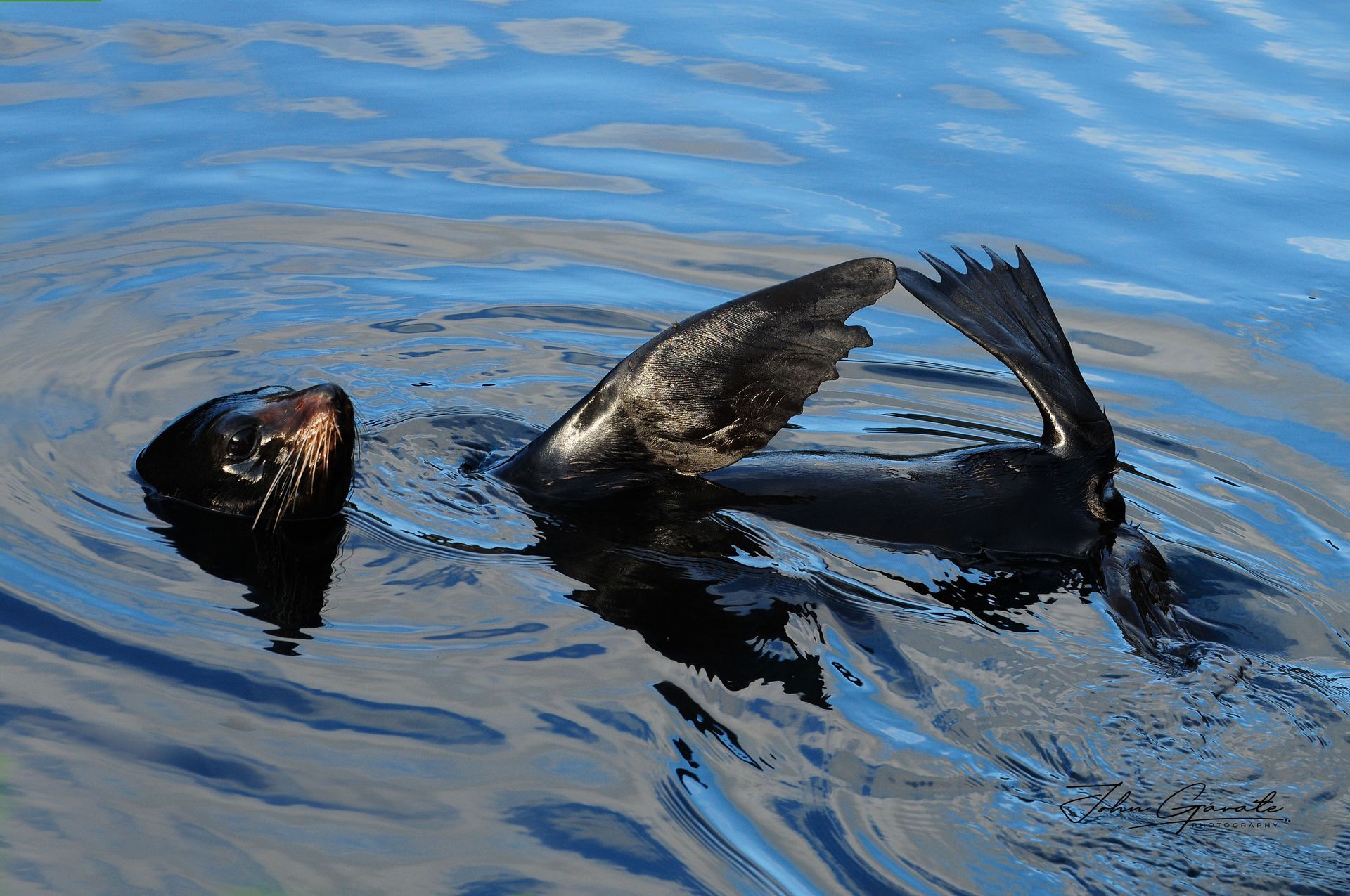
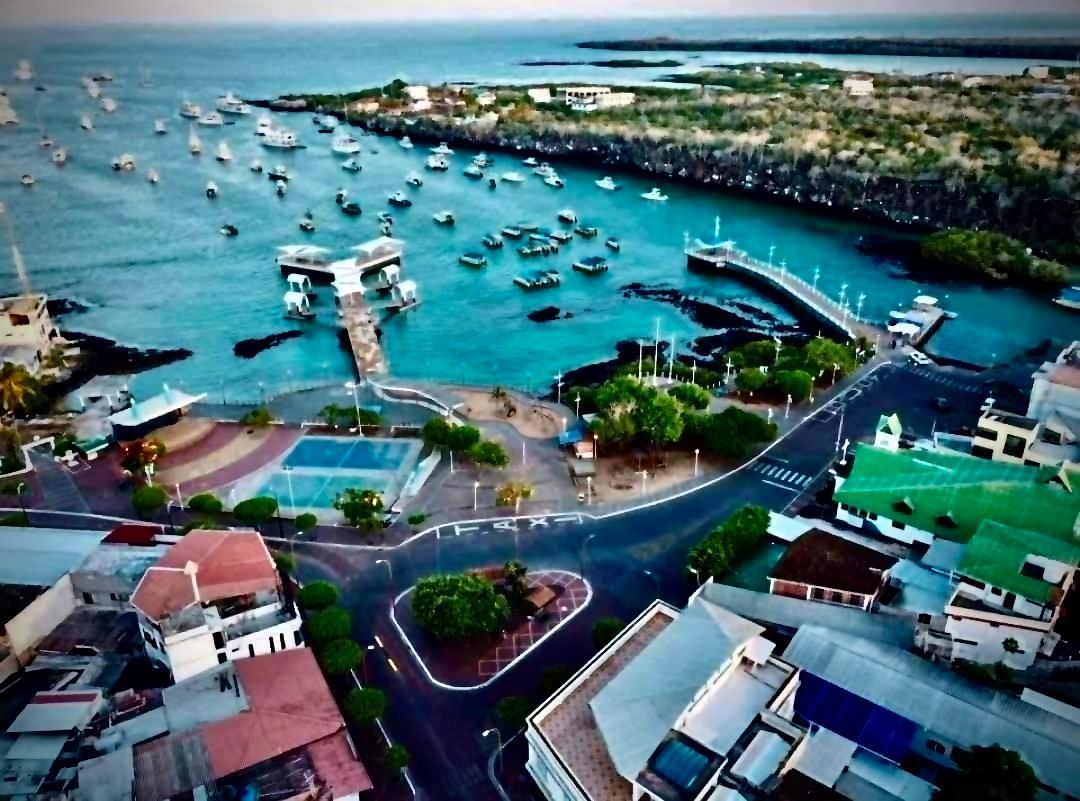
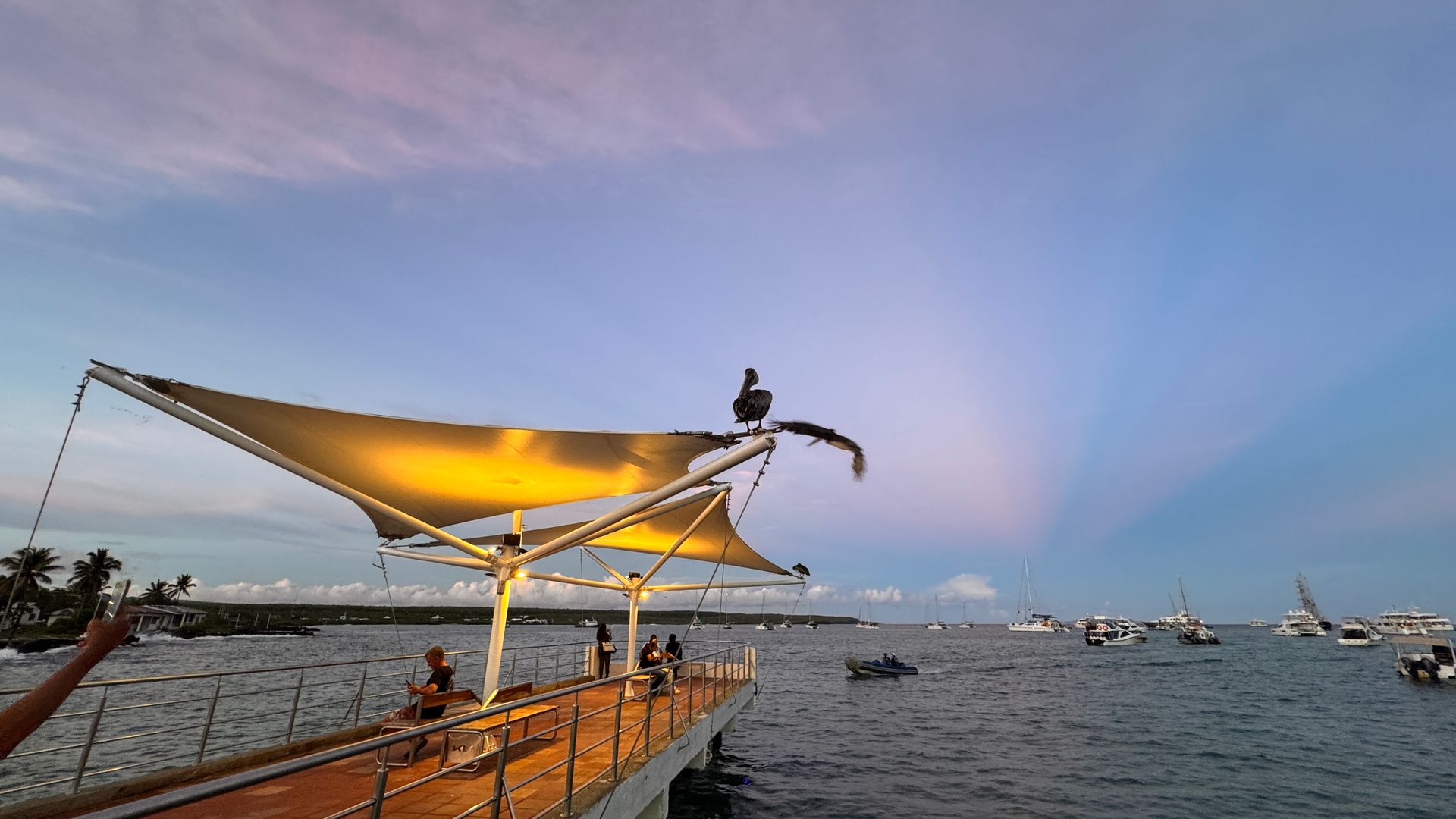
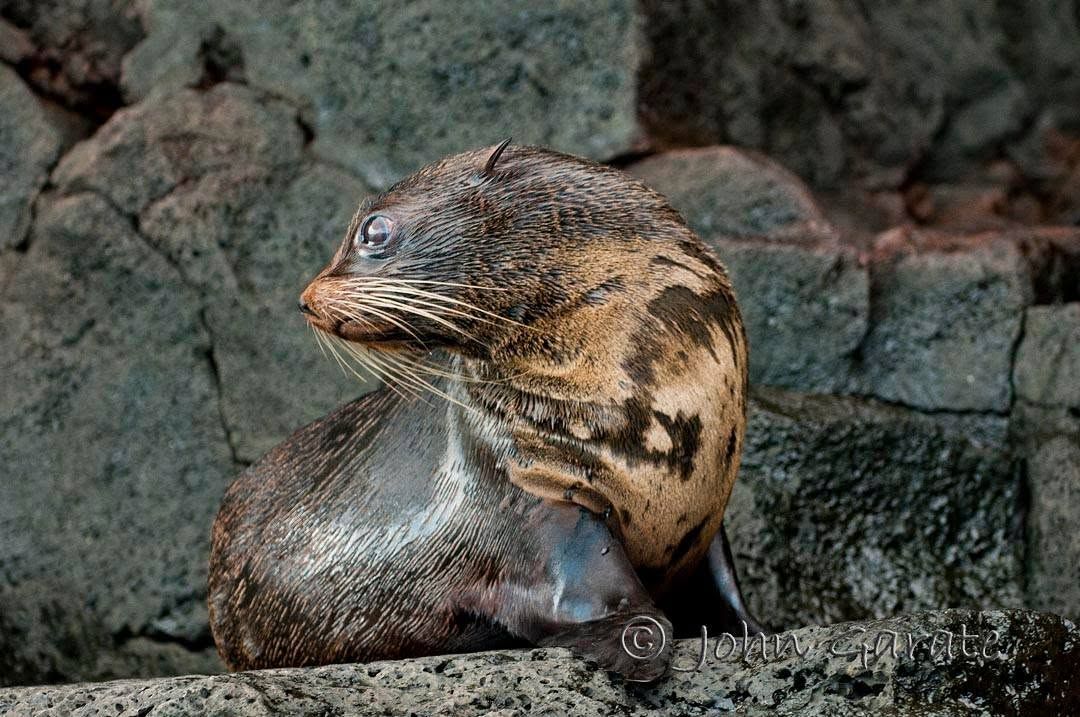
The waterfront in Puerto Ayora offers opportunities to photograph fishing boats, pelicans, sea lions, marine iguanas, and everyday island life. The hour before sunset can be especially beautiful, with warm light reflecting across the water.
The fish market is another lively photographic location, particularly in the morning when pelicans and sea lions gather nearby.
The waterfront is also part of the experience of staying in Puerto Ayora. Give vendors and residents space, avoid blocking walkways, and photograph respectfully. The most natural images often come from observing quietly rather than trying to stage a moment.
8. North Seymour Island
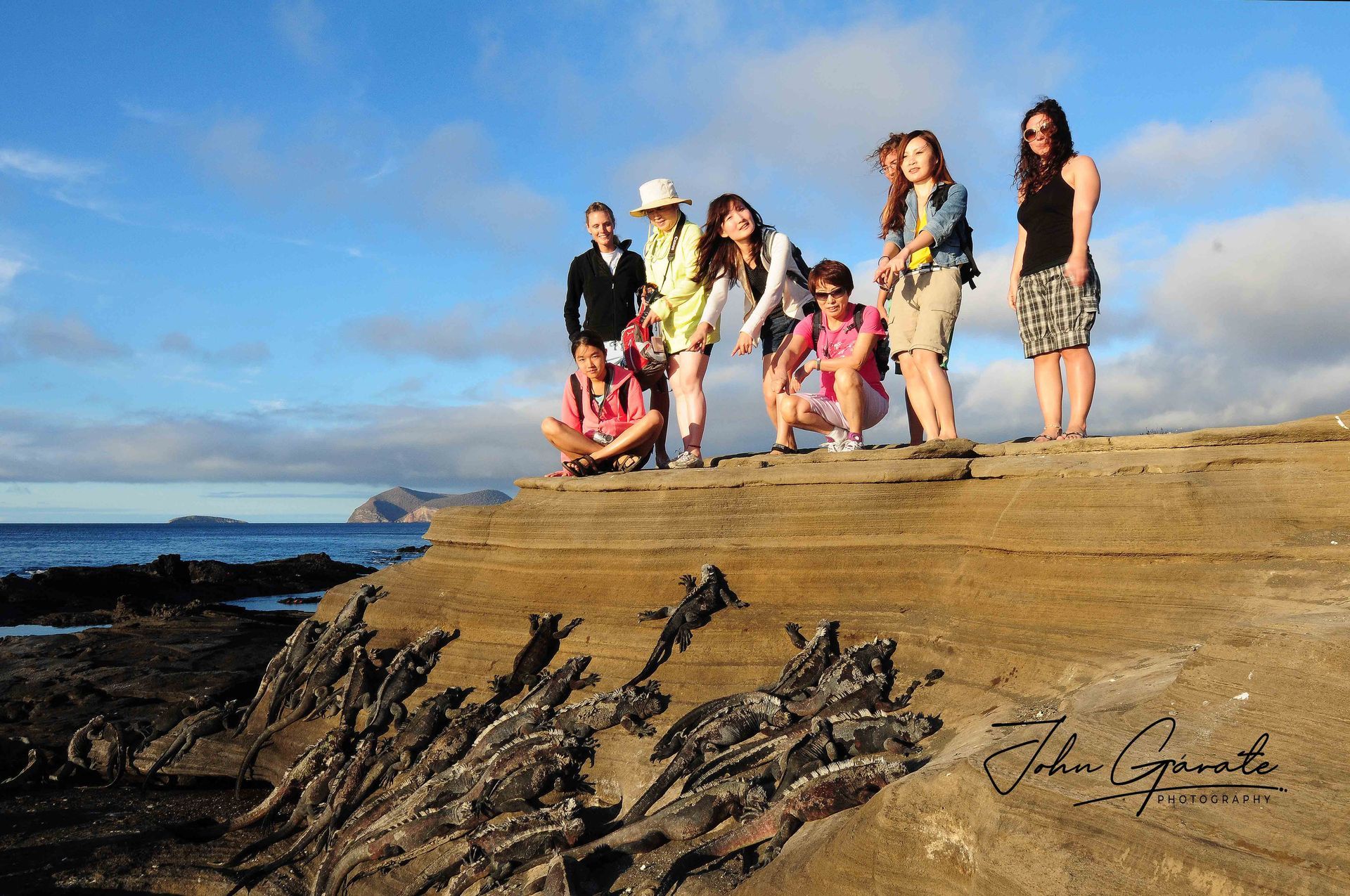
North Seymour is a favorite among wildlife photographers because animals are often visible along open trails. Depending on the season, photographers may encounter blue-footed boobies, frigatebirds, land iguanas, and sea lions among the island's low vegetation and volcanic landscape.
The real challenge is patience. Breeding activity and animal behavior change throughout the year, so the best photograph may require waiting rather than searching for a particular pose.
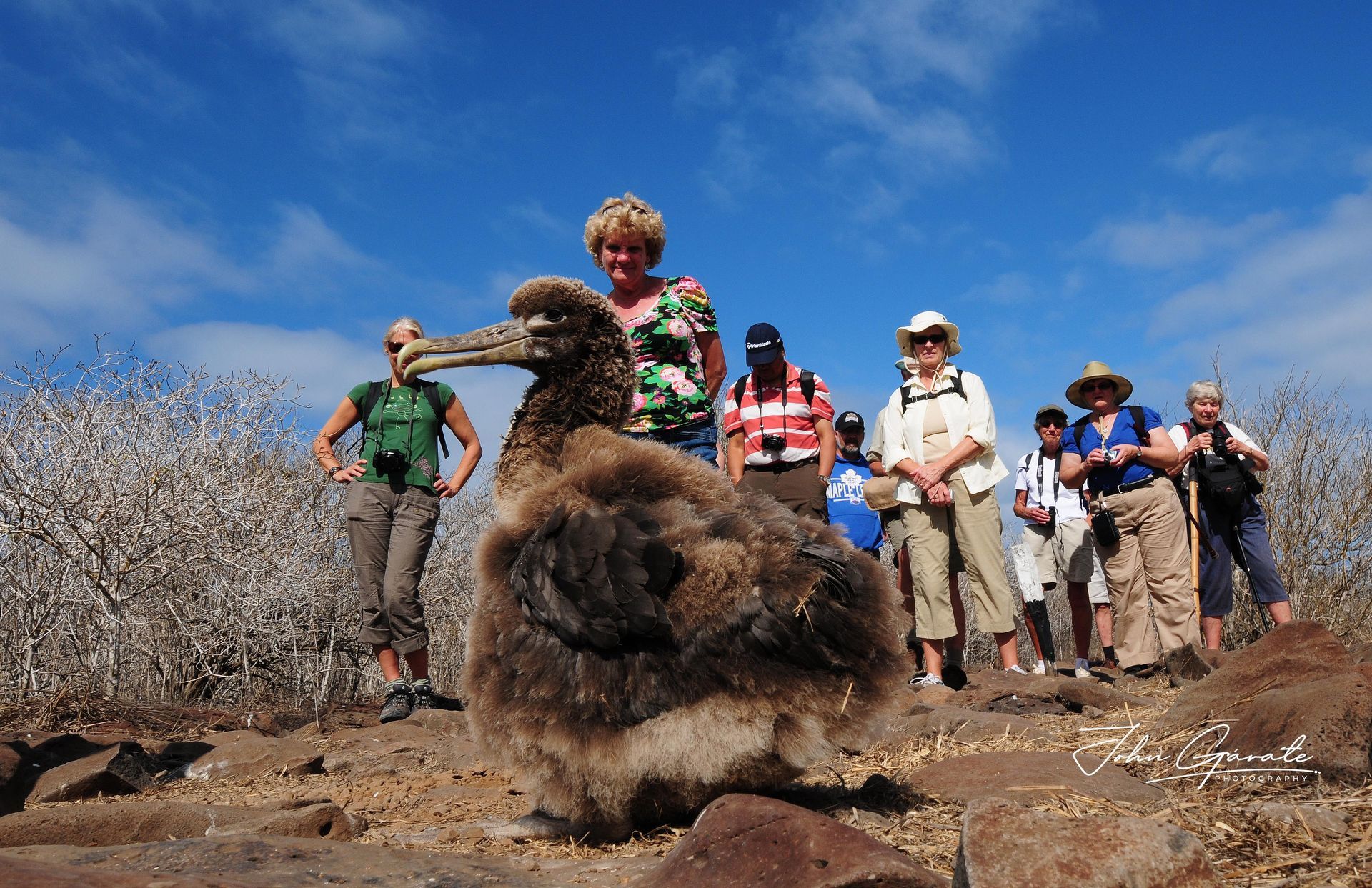
A naturalist guide can help explain what you are seeing and when it is appropriate to stop. The strongest wildlife photographs are not necessarily the closest ones. They are the photographs that show animals behaving naturally in their environment.
Iconic Galápagos Views Beyond Santa Cruz
9. Bartolomé Island
The viewpoint on Bartolomé is among the most recognizable landscapes in the Galápagos. From the summit trail, Pinnacle Rock rises dramatically from the water, surrounded by volcanic terrain and neighboring islands.
On a clear day, the combination of lava formations, blue water, and distinctive volcanic shapes creates an almost otherworldly photograph.
The climb includes stairs and can feel strenuous in the equatorial sun. Bring water, sun protection, and a camera strap that leaves your hands free. Take your time and enjoy the landscape rather than rushing to the summit.
Torre Mar also highlights Bartolomé Island and Pinnacle Rock among the experiences available to guests exploring the Galápagos from Santa Cruz.
10. Española Island
For travelers following a Galápagos island-hopping itinerary, Española can offer some of the archipelago's most dramatic wildlife and coastal photography.
The island is known for sea birds, cliffs, marine life, and, during the appropriate season, waved albatrosses. Blowholes can send bursts of spray into the air, while the rugged coastline creates a series of constantly changing scenes.
Española is a longer journey from Santa Cruz, so travelers with limited time should prioritize the highlights closest to their home base first. For those with additional days, however, it can be an unforgettable addition to a Galápagos itinerary.
11. Kicker Rock from San Cristóbal
Kicker Rock is one of the most dramatic volcanic formations in the Galápagos. The two towering rock formations rise from the Pacific, creating a striking silhouette that looks particularly impressive from the water.
Sea birds may circle above the cliffs, while calm conditions can create reflections around the rock.
The boat journey is part of the experience. Wind, waves, weather, and changing light all influence what you see, so arrive with curiosity rather than a rigid shot list.
12. Puerto Baquerizo Moreno Waterfront
San Cristóbal's waterfront provides another opportunity to photograph Galápagos wildlife without necessarily committing to a full-day excursion.
Sea lions are often part of the scene around the harbor, while birds, fishing boats, and volcanic landscapes provide additional subjects.
For travelers extending their trip beyond Santa Cruz, the town offers a different perspective on island life. It is also an excellent reminder that some of the best photographs happen when you simply slow down and pay attention to what is happening around you.
How to Photograph the Galápagos Responsibly
The Galápagos is protected partly because its wildlife has an extraordinary level of trust around people. That trust should never be taken for granted.
Stay on marked trails, follow your guide's instructions, maintain the required distance from wildlife, and never use food, sounds, or gestures to attract an animal toward your camera.
Avoid flash photography around wildlife, particularly when animals are resting or nesting. Never touch an animal, block its path, or position yourself between an animal and the direction it is trying to travel.
A moderate zoom lens is useful for most wildlife photography. You do not need an enormous camera setup to capture memorable images.
For smartphone photographers, clean the lens frequently, use burst mode for moving birds or animals, and pay attention to bright skies when photographing dark volcanic landscapes.
Choose the Right Time of Day
Early morning and late afternoon generally provide softer, more flattering light. Midday can be harsh, but it is often an excellent time for swimming, snorkeling, lunch, museums, or traveling between locations.
Weather also plays an important role. Clouds and mist can create atmospheric photographs that are just as compelling as photographs taken under bright blue skies.
The key is flexibility. Do not plan your entire day around getting one perfect photograph. The Galápagos rarely follows a script.
Make Puerto Ayora Your Photography Home Base
One of the advantages of staying in Puerto Ayora is the ability to combine organized excursions with independent time. Instead of packing your entire day with activities, you can return to your accommodation between outings, recharge your camera batteries, download photographs, and head back out when the light is right.
A comfortable place to stay in the Galápagos can make that flexibility much easier.
For photographers and families, practical amenities matter too. Having space to organize equipment, prepare a quick breakfast, refill drinking water, or relax between excursions can make a busy itinerary feel considerably more comfortable.
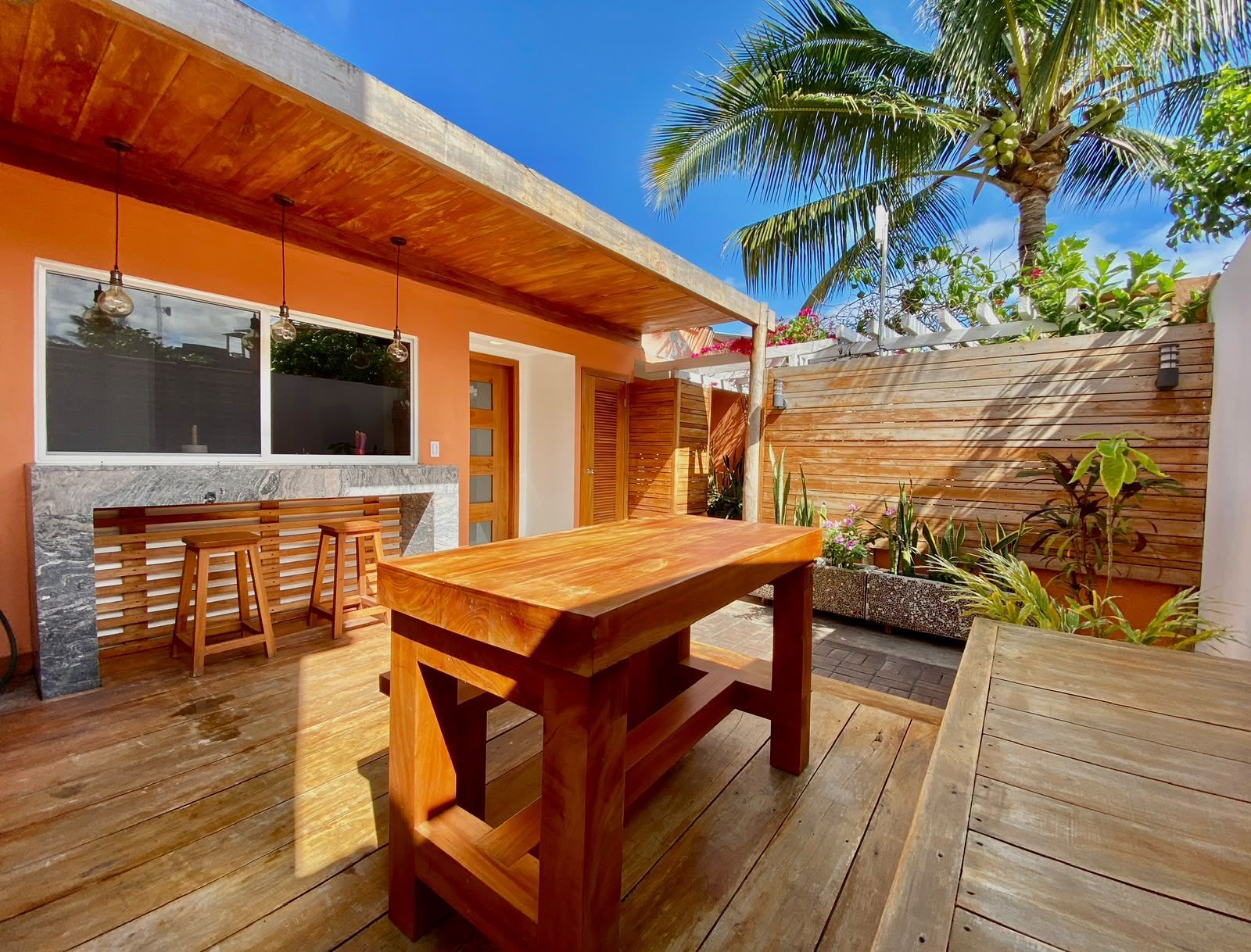
At Torre Mar Galapagos Boutique Suites, guests can use Puerto Ayora as a convenient home base while exploring Santa Cruz and arranging excursions to other islands. The property's ocean-view suites can also provide a comfortable place to relax and enjoy the scenery between adventures.
The Best Galápagos Photograph May Be the One You Did Not Plan
The best views and photo spots in the Galápagos are not always the locations with the biggest names. Sometimes the most memorable photograph is a sea lion resting beside the harbor, a tortoise disappearing into the grass, clouds moving across a volcanic ridge, or a child seeing a wild animal for the first time.
Give yourself enough time to notice those moments.
Explore thoughtfully, photograph responsibly, and leave room in your itinerary for the unexpected. The Galápagos will provide plenty of subjects. Your job is simply to slow down and see them.